"The freezer is filled with blue-lidded tubes of cows' blood, ready to be defrosted and used to feed the colony of mosquitoes. Nombuso Princess Bhembe tends the mosquitoes at Eswatini's national insectary, part of the southern African country's push to eliminate malaria."
"A changing climate is creating better breeding conditions for mosquitoes, while also extending the malaria season to coincide with the sugarcane harvest, when people are in the fields."
"With time, we have seen change, she says. Species that can transmit malaria are being found in new areas, potentially linked to changing temperatures."
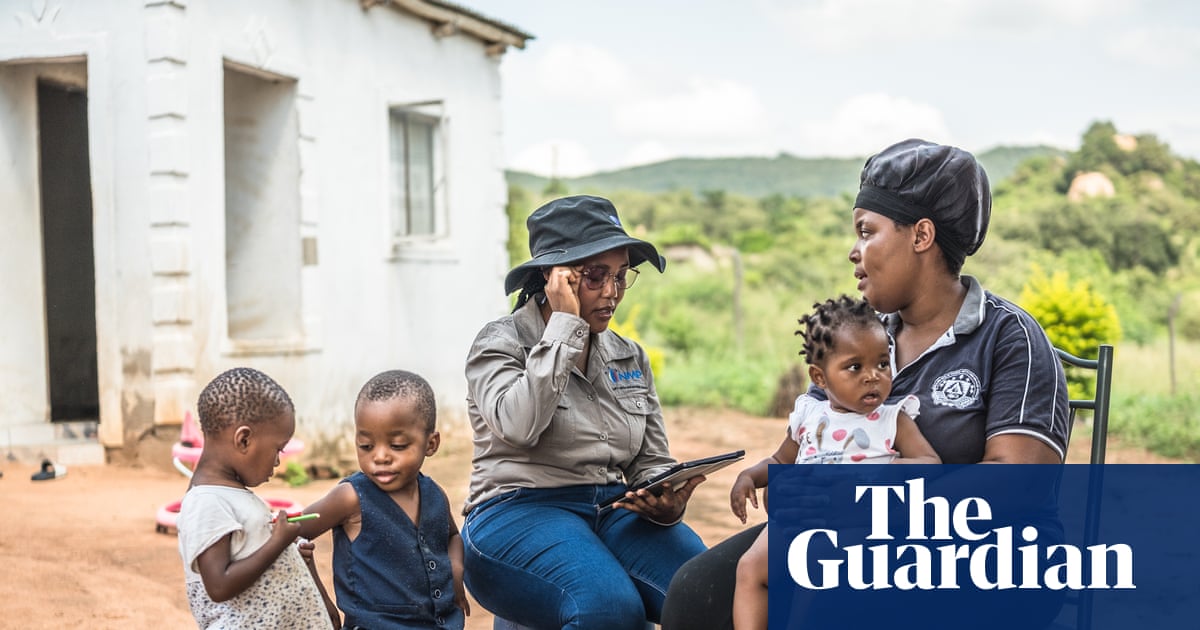
"At her local health centre, she tested positive for malaria. That test result triggered an immediate phone alert to the nation."
Eswatini's national insectary prepares to combat malaria with mosquito breeding and blood feeding. The country struggles with rising malaria cases, influenced by climate change and economic migration. In 2024, Eswatini reported 362 malaria cases, while Mozambique had 11.6 million. Informal border crossings facilitate parasite spread. Changing climates enhance mosquito breeding and extend malaria seasons. Daily mosquito trapping and species testing are conducted to monitor insecticide effectiveness. A recent patient tested positive for malaria, prompting immediate health alerts, highlighting ongoing public health challenges in the region.
Read at www.theguardian.com
Unable to calculate read time
Collection
[
|
...
]