#malaria
#malaria
[ follow ]
#public-health #healthcare #global-health #climate-change #who #infants #insecticide-resistance #drug-development

fromwww.theguardian.com
2 weeks agoCan you stop malaria crossing borders? One nation's bid to wipe out the disease
The freezer is filled with blue-lidded tubes of cows' blood, ready to be defrosted and used to feed the colony of mosquitoes. Nombuso Princess Bhembe tends the mosquitoes at Eswatini's national insectary, part of the southern African country's push to eliminate malaria.
Coronavirus
fromwww.npr.org
1 month agoInside a rare lab that's blazing a bold trail as it hunts for new drugs
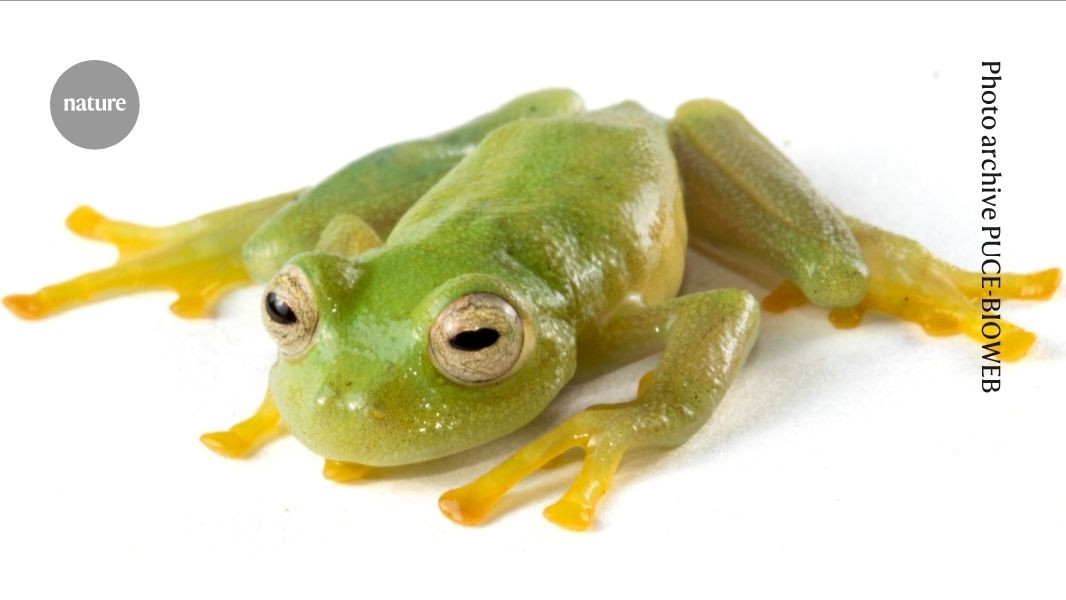
Kelly Chibale describes the drug discovery process as a fairy-tale quest, stating, 'It doesn't mean that there aren't surprises or miracles. They do happen, but you have to kiss many frogs before you meet the prince.' This metaphor illustrates the challenges and unpredictability in finding effective medicines.
US news
fromwww.theguardian.com
3 months agoCloth wraps treated with dirt cheap' insecticide cut malaria cases in babies
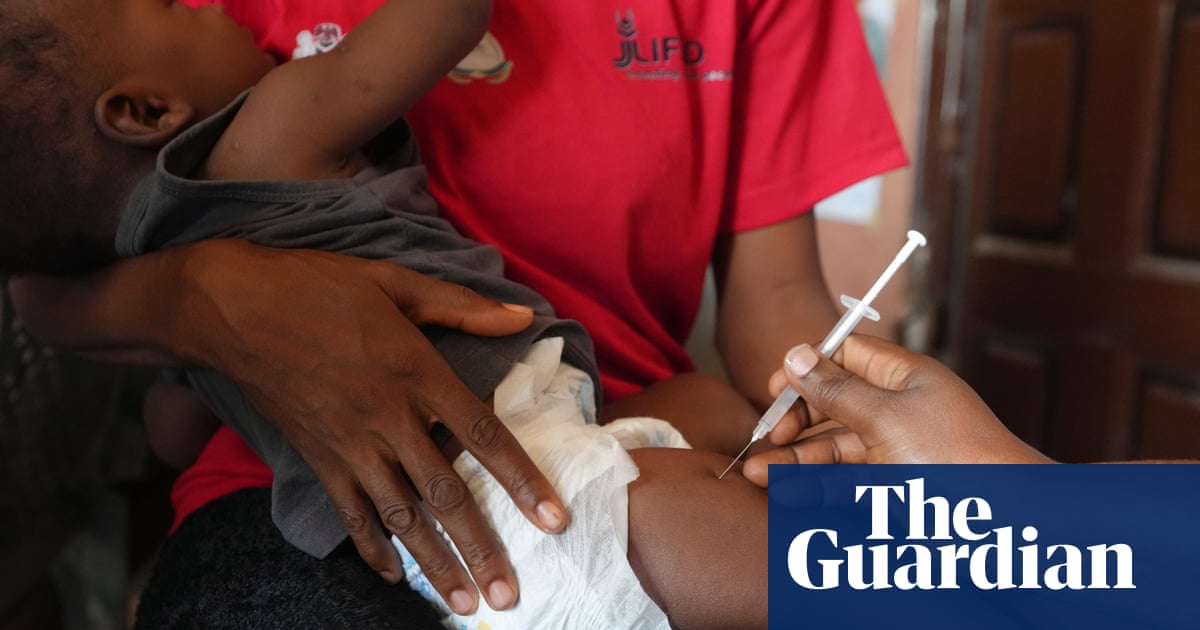
From Africa to Latin America to Asia, babies have been carried in cloth wraps on their mothers' backs for centuries. Now, the practice of generations of women could become a lifesaving tool in the fight against malaria. Researchers in Uganda have found that treating wraps with the insect repellent permethrin cut rates of malaria in the infants carried in them by two-thirds.
Public health
Public health
fromwww.theguardian.com
6 months agoThe Guardian view on global aid cuts: a malaria resurgence could be the canary in the coalmine | Editorial
Malaria remains Africa’s leading infectious killer, with rising cases, drug resistance, climate-driven spread, and reduced funding risking millions more deaths.
fromThe Washington Post
7 months agoTrump's USAID pause stranded lifesaving drugs. Children died waiting.
Fever ravaged the body of 5-year-old Suza Kenyaba as she sweated and shivered on a thin mattress in a two-room clinic in the Democratic Republic of Congo. The pigtailed girl who liked pretty dresses was battling malaria and desperately needed medication that could save her life. That medication, already purchased by a U.S.-taxpayer-funded program, was tantalizingly close - a little more than seven miles away.
US news


fromNature
10 months agoRIFINs displayed on malaria-infected erythrocytes bind KIR2DL1 and KIR2DS1 - Nature
Understanding the interactions between RIFIN proteins and immune receptors is crucial for developing strategies to combat malaria, particularly in regions heavily affected by the disease.
Coronavirus
Public health
fromwww.bbc.com
11 months agoScientists propose novel way of treating mosquitoes for malaria
US researchers propose using malaria drugs to cure mosquitoes instead of killing them, aiming to prevent disease transmission.
Coating bed nets with malaria drugs could effectively reduce parasite spread among mosquitoes.
fromwww.theguardian.com
11 months agoThe deadly riddle of blackwater fever: the search for answers over illness killing Uganda's children
Historically, blackwater fever was seen among European expatriates who took small doses of quinine as an antimalarial, and became less common when other drugs took over.
Public health
fromwww.theguardian.com
11 months agoGM mosquitoes: inside the lab breeding six-legged agents in the war on malaria
The mosquitoes released in Djibouti are a vital tool in combating malaria, but their effectiveness needs to be complemented by existing prevention methods like nets and vaccines.
Public health
[ Load more ]