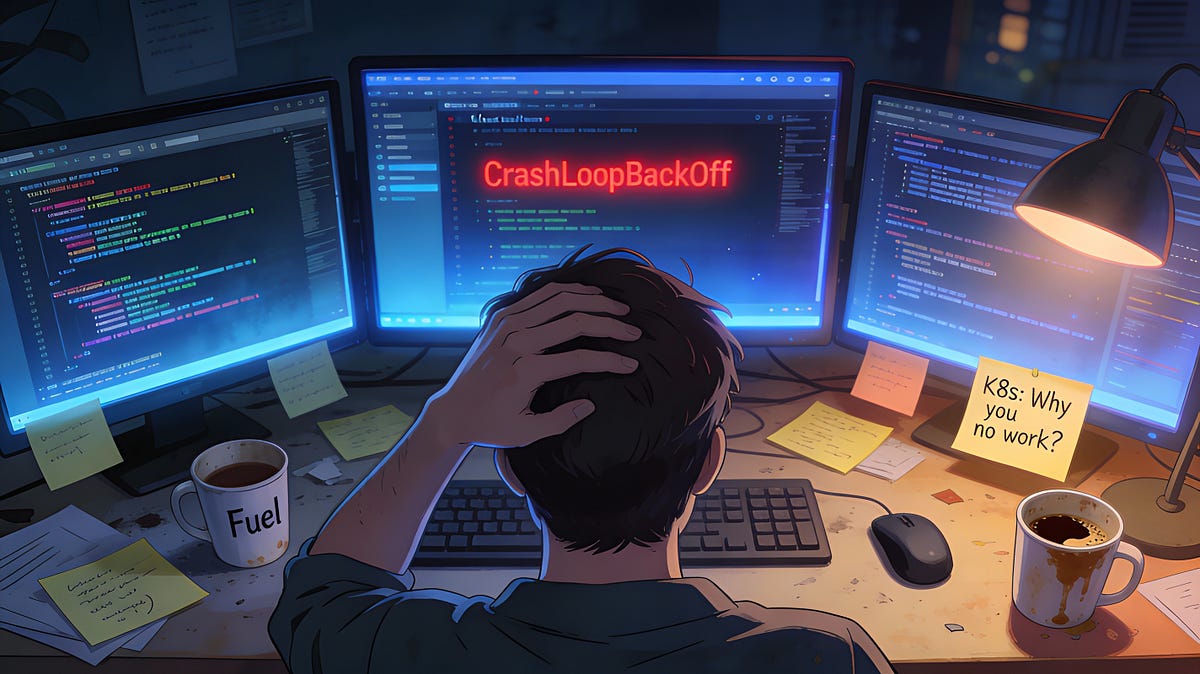
"Bringing Google's z-pages to the Kubernetes ecosystem If you've ever been part of an SRE/Platform Engineering team, you've probably lived through the nightmare where the cluster is behaving erratically, & your team is scrambling to figure out what's happening. The frustrating part? The answers to these questions exist somewhere inside your cluster components - but extracting them? That's been like pulling teeth!"
"Enter KEP 4827: Component Statusz - a Kubernetes Enhancement Proposal that's changing the game for cluster observability & debugging. What's This All About? Let's start with a story that's all too familiar. Imagine you're managing a production Kubernetes cluster with hundreds of workloads. One day, you notice intermittent API server latency spikes. Your monitoring dashboard shows elevated response times, but the metrics don't tell you much about what's happening inside the kube-apiserver itself."
Google's z-pages provide in-process HTTP diagnostics for services. KEP 4827 proposes Component Statusz to bring similar introspection to Kubernetes components. Component Statusz exposes richer internal state than existing health and metrics endpoints, including versioning, configuration, runtime details, and request-handling context. The addition enables faster root-cause analysis for issues like API server latency spikes by revealing internal conditions not visible via external metrics. The proposal includes standardized endpoints, operational considerations for secure access, and aims to reduce SRE and platform engineering toil by making component internals discoverable and actionable during incidents.
Read at Medium
Unable to calculate read time
Collection
[
|
...
]