"In the effort to live in balance with nature, replacing fossil fuels with renewable energy sources is one of the key strategies for cutting greenhouse gas emissions and addressing global warming. Looking to nature for inspiration as a way to protect it means creating designs that incorporate sustainability, circularity, and recyclability from the very first sketch. From building systems to surface finishes, the use of biomaterials in architecture reflects a mindset rooted in long-term responsibility for a material's full life cycle."
"According to Roland Geyer, an expert on the environmental impact of plastics, more than 90% of the plastic produced worldwide is never recycled, and a large portion ends up in the oceans. About 40% comes from packaging materials that can take up to 500 years to break down. In response to the deterioration of ecosystems, United Nations Member States have, for the first time, committed to restoring them as part of the Sustainable Development Agenda."
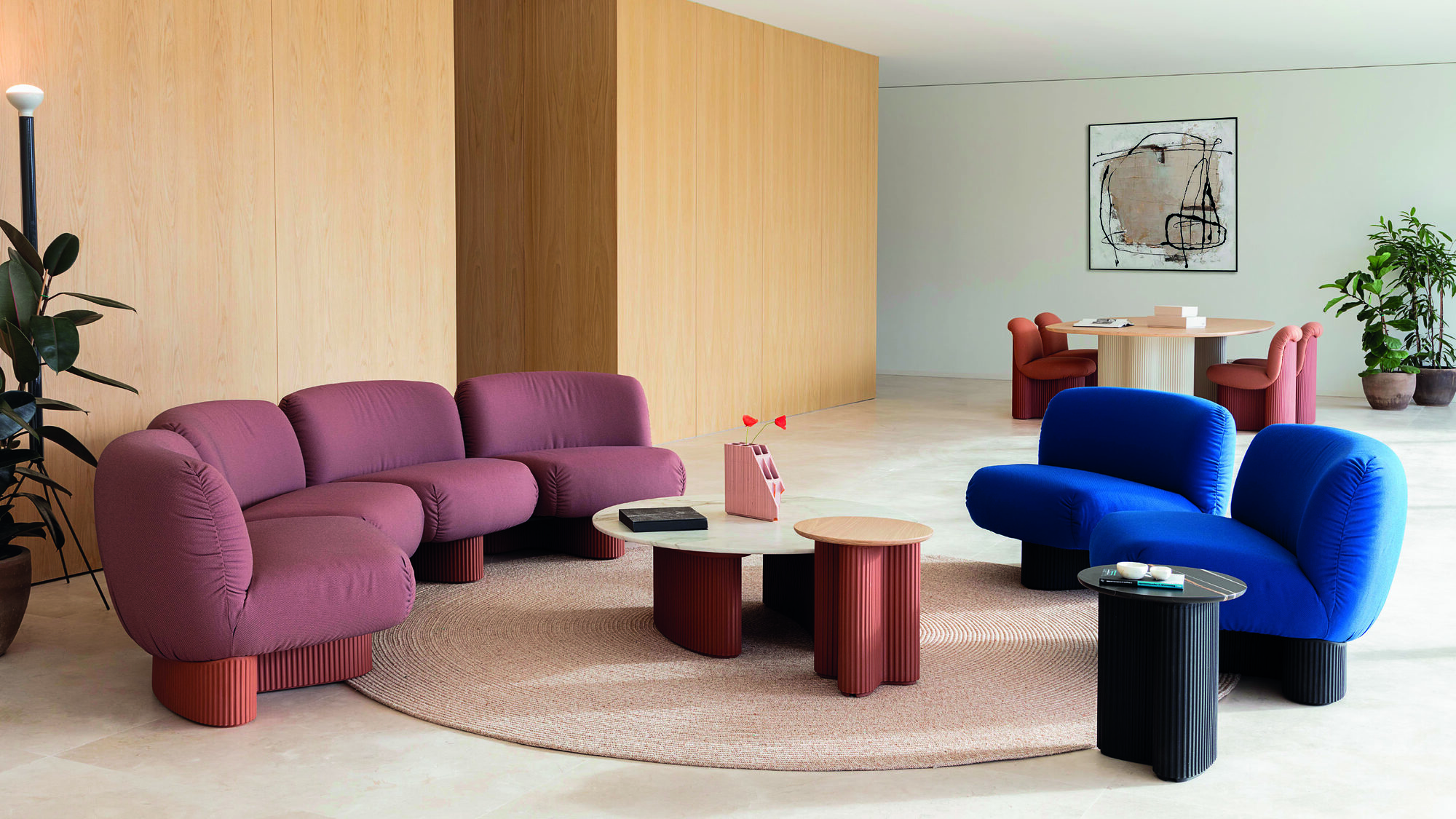
"Whether through prioritizing long-lasting design or ensuring the durability and quality of each piece, many indoor and outdoor furniture collections showcase a strong design identity while also promoting healthy ergonomics and an awareness of their environmental impact. Andreu World introduces a range of its own materials and fabrics: Pure ECO® plastics made from 100% recycled content, a natural-origin polymer debuting in the new Nuez Lounge BIO® chair designed by Patricia Urquiola, and Circular ONE®, a fabric produced from yarn spun using plastics from PET"
Recyclability of materials used in architecture is limited, with plastics presenting a major problem: more than 90% of produced plastic is never recycled and a large portion ends up in the oceans. Packaging accounts for roughly 40% of plastic and can persist up to 500 years. United Nations Member States have committed, for the first time, to restoring deteriorated ecosystems under the Sustainable Development Agenda. Sustainable design emphasizes replacing fossil fuels with renewables and embedding sustainability, circularity, and recyclability from the first sketch. Manufacturers are introducing recycled-content plastics and circular fabrics to improve material life-cycle responsibility.
Read at ArchDaily
Unable to calculate read time
Collection
[
|
...
]