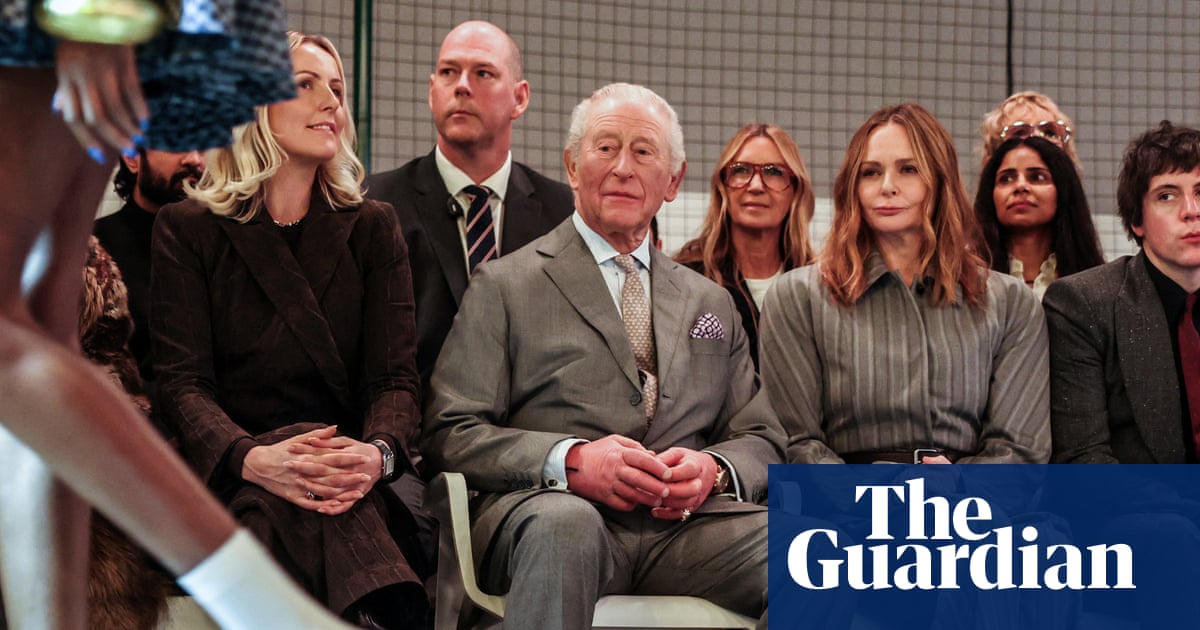
"The house of Windsor has long wielded fashion as a weapon during times of crisis, says Picardie, pointing out the similar tactics used after the crisis of the abdication in 1936, when Queen Elizabeth (the Queen Mother) was dressed by Norman Hartnell in an idealised vision of traditional Englishness, to counteract the hard chic of the pro-Nazi Duke and Duchess of Windsor."
"The king's whole look with his British bespoke tailored suit might be construed as putting on a brave face, and keeping calm and carrying on during yet another existential crisis, says Justine Picardie, former editor-in-chief of Harper's Bazaar UK and author of a new book, Fashioning the Crown: A Story of Power, Conflict and Couture."
"Clothes are used to express power and many other things—emotion, vulnerability, grief, birth, death, loss—whether it's a wedding dress or at a funeral."
During a period of family crisis, King Charles attended London Fashion Week in a tailored British suit and distinctive tie, signaling normalcy and continuity. The Prince and Princess of Wales coordinated in burgundy velvet at the Baftas, with Catherine wearing a previously worn Gucci gown to demonstrate sustainability and restraint. Fashion historian Justine Picardie explains that the House of Windsor has historically weaponized fashion during existential crises, citing the 1936 abdication when Queen Elizabeth was dressed by Norman Hartnell in traditional English aesthetics to counter the Duke and Duchess of Windsor's image. Clothing serves as a powerful tool for expressing power, emotion, and values during significant moments.
#royal-fashion-strategy #crisis-communication #fashion-as-power #british-monarchy #sustainable-style
Read at www.theguardian.com
Unable to calculate read time
Collection
[
|
...
]