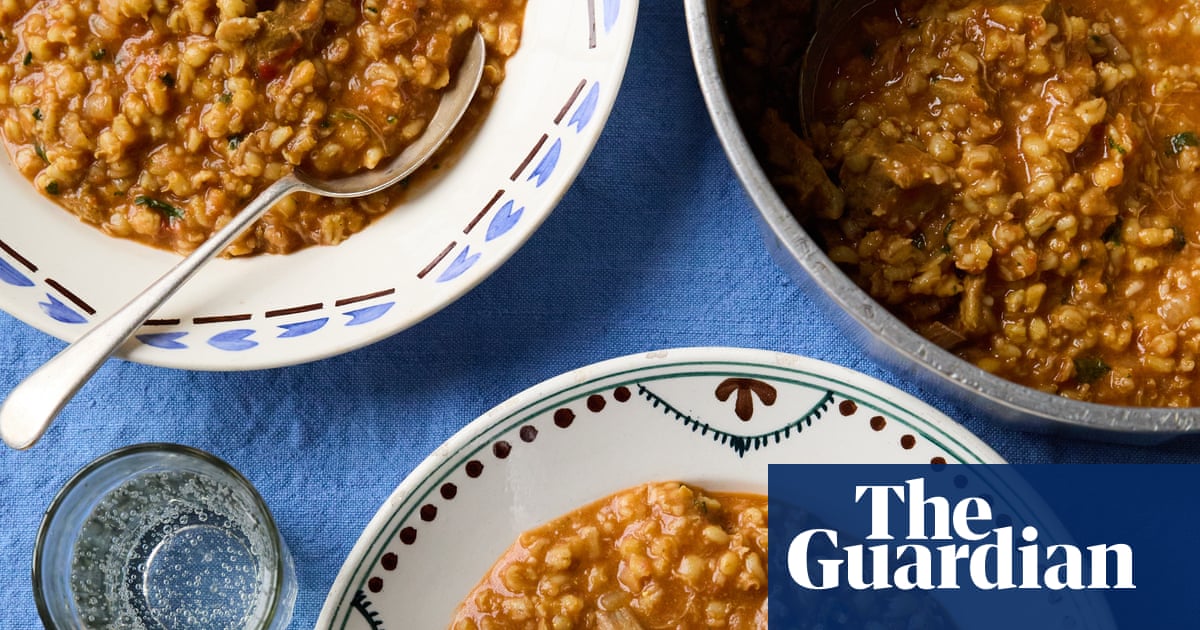
"There is nothing quite like that first bite after a long day of fasting. It's quiet, intentional and deeply comforting. The stillness just before sunset gives way to movement the table being laid, the clinking of glasses, the pause as everyone waits for the call to prayer. Then, with a date in hand and water on the tongue, the fast is broken. That moment never loses its meaning, no matter how many times you experience it."
"Iftar doesn't begin with a feast, but with small, simple things, such as these two soups. Shurbad (lamb, oat and barley soup pictured top) Shurbad exists across many cultures, especially in east Africa, the Middle East and north Africa. The word comes from the Arabic shariba, meaning to drink, and it refers to something light and warming. This is often served at the start of a meal and, while the ingredients and methods vary across the different regions, the feeling is the same."
Breaking the fast begins with a quiet, intentional bite and simple, comforting food. Iftar often starts with small dishes and soups such as shurbad. Shurbad is a lamb, oat and barley soup found across east Africa, the Middle East and north Africa; its name derives from Arabic shariba, meaning to drink, and it is light and warming. The soup is gently spiced, typically made during Ramadan, and can use chicken instead of lamb. The recipe freezes well. Prep time is 10 minutes, cook time 2 hours 45 minutes, and it serves 8–10. Key ingredients include lamb shoulder, stock, chopped tomatoes, pearl barley, rolled oats, cumin, coriander, curry powder, oil, onion, garlic and fresh coriander. The method calls for simmering the meat until tender, shredding it, discarding the bones, and returning the shredded meat to the pot.
Read at www.theguardian.com
Unable to calculate read time
Collection
[
|
...
]