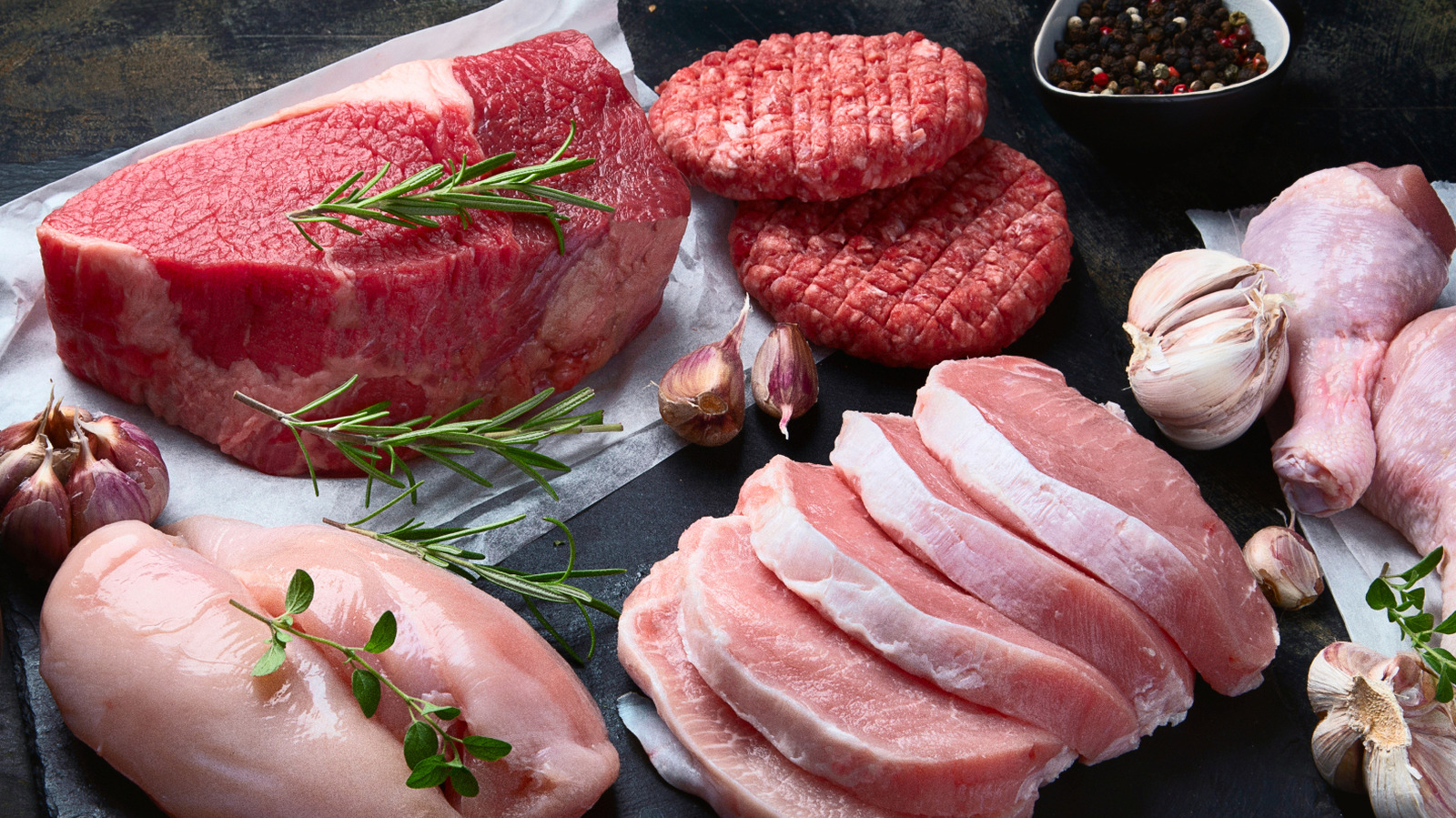
"When you get your hands on a sous vide machine, you might feel overwhelmed by the sheer number of cooking possibilities it provides, not to mention all those buttons and settings. Before you rush into unexpected uses for sous vide, it's best to get familiar by using it for its most popular purpose: Cooking meats to perfection. According to Scott Thomas, owner of GrillinFools, the most forgiving cut to try first is a fatty piece of beef."
"He explained that a well-marbled cut offers "a larger window to get it right." Gentle, precise sous vide is great for keeping leaner meats from drying out, but for beginners, fatty steaks are always less prone to overcooking than a chicken breast. They can also stay juicy and flavorful even when taken a few degrees past medium-rare, which is a big advantage for cooks who are still getting used to their machines."
"Cooking sous vide ribeye or strip steak starts with sealing the meat in a plastic bag before submerging it in a preheated water bath. A nifty thing to know about sous vide steak is that you can add herbs, spices, and aromatics to the bag, which will flavor the meat as it cooks. A sprig of rosemary, a few cloves of garlic, and black peppercorns form a great mix to start with."
Start sous vide with a fatty steak such as ribeye or New York strip because marbling creates a larger temperature window and resists overcooking. Seal the steak in a plastic bag and optionally add herbs, spices, or aromatics like rosemary, garlic, and peppercorns to infuse flavor during cooking. Use an immersion circulator to heat the water bath and bring the steak to 10 to 15 degrees below the target doneness. After sous vide cooking, finish the steak with a high-heat sear to develop a brown, flavorful crust while preserving the interior's even, rosy doneness. Fatty cuts remain juicy even slightly past medium-rare, aiding beginner cooks.
Read at Tasting Table
Unable to calculate read time
Collection
[
|
...
]