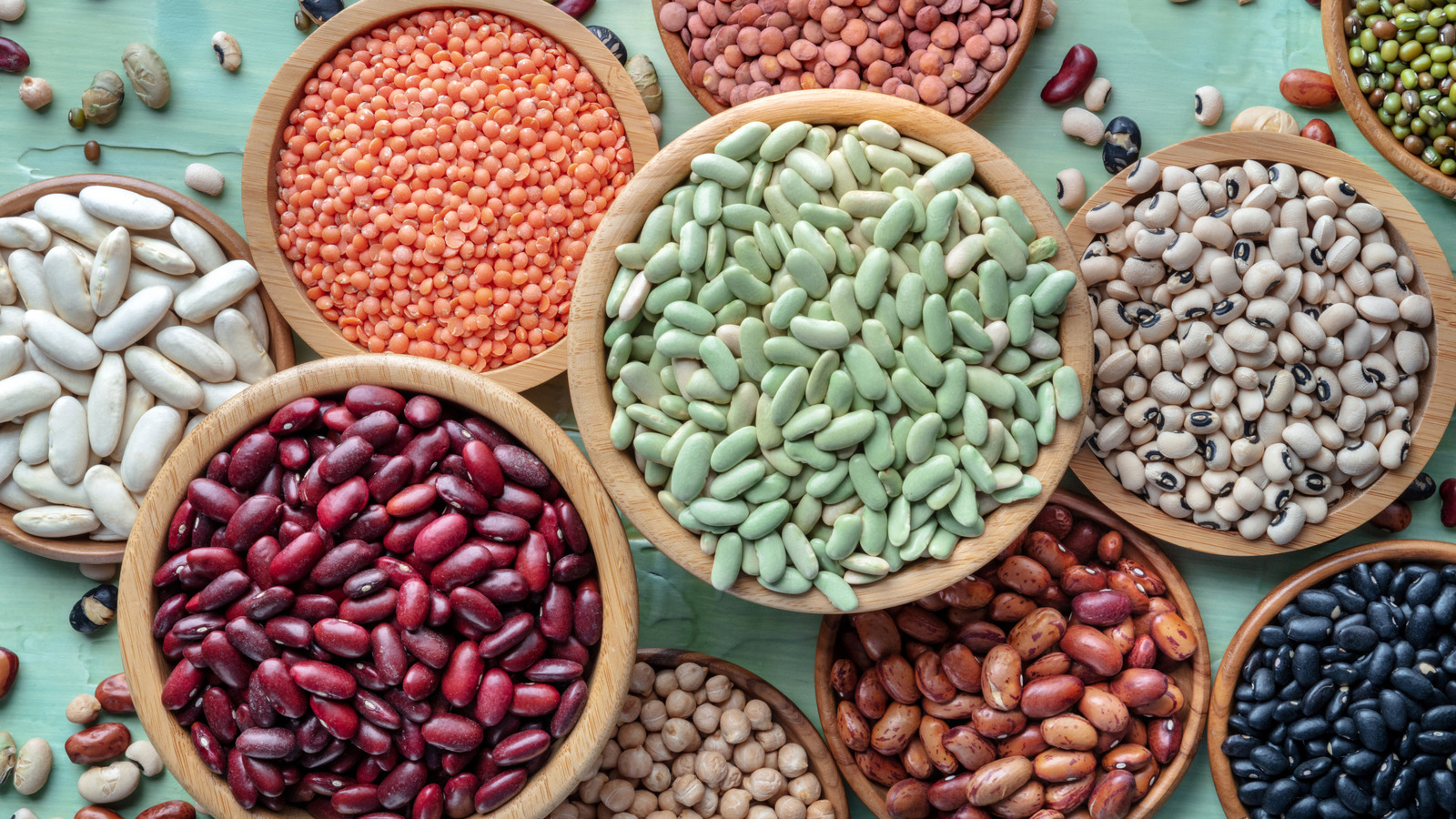
"There aren't too many food articles where you can use the sentence "As it happens, Dr Hannibal Lecter liked to pair these with a nice Chianti." For all you know, the fact that they were the preferred snack for Hollywood's most famous bad guy could explain why they're often overlooked (though it's more likely the price tag: A 16-ounce bag can cost over 10 times more than a can of red kidney beans)."
"We're referring to fava beans, the OG legume that has a lot going for it, especially if you like growing what you eat: They're hardy, semi-ornamental, and can handle cold soil better than most crops. While they aren't really a go-to in America, fava beans, or broad beans, are a staple in many countries and are especially popular in Mediterranean and South American cuisines."
"The fact that they prefer cold soil makes them good cover crops, protecting your patch through the winters, while keeping the bed nourished. They can also be consumed at different points in its life-cycle. Young, tender beans can be eaten whole. Fully grown ones can be shelled and cooked. Hate shelling the beans? Use this freezer trick that makes peeling fava beans so much easier."
Fava beans are an ancient, hardy legume that tolerate cold soil and provide semi-ornamental value with white, purple-speckled flowers. They are staples in Mediterranean and South American cuisines and were first cultivated over 10,000 years ago. Fava plants make effective winter cover crops that protect and nourish beds while withstanding cold. Beans can be harvested at multiple stages: young tender beans eaten whole, mature beans shelled and cooked, or dried and preserved. A simple freezer trick eases peeling of fava beans. Fava beans prefer temperatures around 60 degrees Fahrenheit and can be planted from autumn through late spring.
Read at Tasting Table
Unable to calculate read time
Collection
[
|
...
]