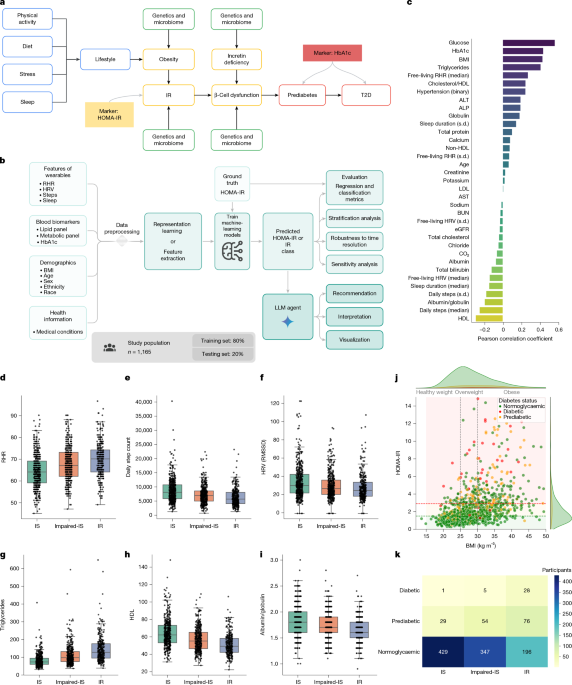
"At present, 537 million adults worldwide are living with diabetes, a figure that is estimated to increase to 643 million by 2030. Approximately 10% of people with diabetes have type 1 diabetes (T1D), and around 90% have type 2 diabetes (T2D). The rise in T2D is driven mainly by lifestyle factors."
"In a healthy individual, insulin—a hormone secreted by pancreatic β-cells—helps to regulate blood glucose levels by facilitating the uptake of glucose from the blood into cells (including muscles, adipose and liver). In addition, incretin hormones, such as glucagon-like peptide 1 (GLP1) and gastric inhibitory polypeptide (GIP), can increase the secretion of insulin from pancreatic β-cells, leading to improved glycaemic control."
"In T1D, the body's immune system mistakenly attacks and destroys the pancreatic β-cells, resulting in absolute insulin deficiency and high blood glucose. By contrast, in most cases of T2D, the body becomes insulin resistant, meaning that higher amounts of insulin have to be produced by the pancreatic β-cells to achieve the same glucose-lowering effect."
"With time, the pancreatic β-cells can become unable to produce enough insulin to compensate for IR, leading to relative insulin deficiency and increased blood glucose levels. Long-term complications of diabetes include damage to various organs and tissues over time, such as diabetic retinopathy, nephropathy and neuropathy."
Diabetes prevalence is projected to rise from 537 million to 643 million adults by 2030, with type 2 diabetes accounting for approximately 90% of cases. Type 1 diabetes results from immune system destruction of pancreatic β-cells causing absolute insulin deficiency, while type 2 diabetes primarily involves insulin resistance where cells require increasingly higher insulin levels for glucose regulation. Incretin hormones like GLP-1 and GIP enhance insulin secretion for improved blood glucose control. Type 2 diabetes development involves complex interactions between lifestyle choices, genetics, and metabolic factors. Pancreatic β-cells eventually become unable to produce sufficient insulin to compensate for resistance, leading to relative insulin deficiency. Long-term complications include diabetic retinopathy, nephropathy, and neuropathy affecting various organs and tissues.
#diabetes-epidemiology #type-2-diabetes-pathophysiology #insulin-resistance #pancreatic--cell-dysfunction #diabetes-complications
Read at Nature
Unable to calculate read time
Collection
[
|
...
]