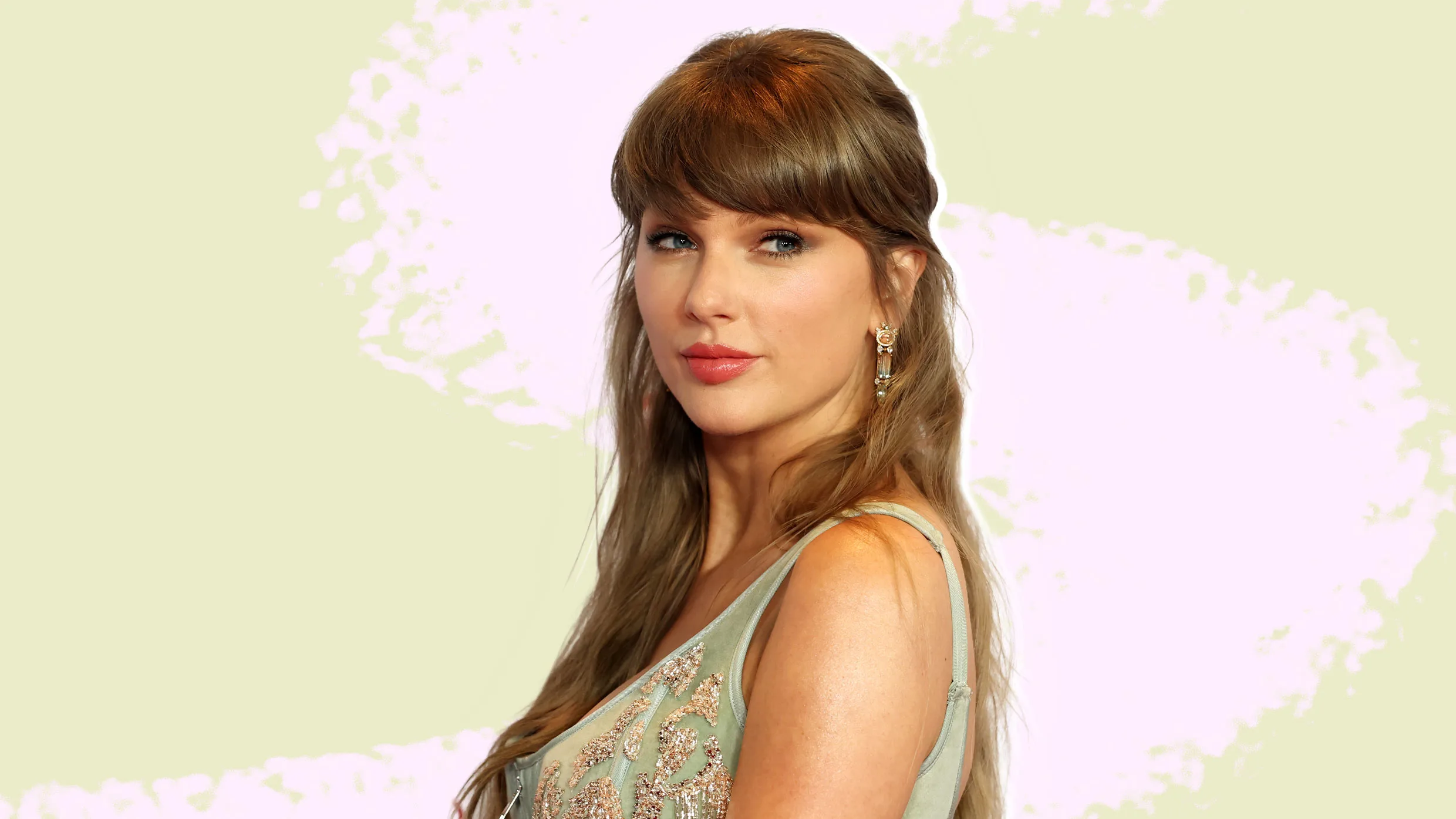
"The concept of protecting sound as a trademark is not new, though it remains relatively rare. Historically, singers relied on copyright law to protect their recorded music. But AI technologies now allow users to generate entirely new content that mimics an artist's voice without copying an existing recording, creating a gap that trademarks may help fill."
"If an AI-generated imitation of Swift's voice became the subject of litigation, she could argue that uses resembling her registered vocal trademarks infringe on her intellectual property rights."
"The goal is to protect the sound of Taylor Swift's voice much like NBC protects its signature chimes. The strategy reflects a novel approach for the AI age, though it remains untested in court."
"Celebrities are among those most vulnerable to AI-enabled impersonations and broader unauthorized uses of their likenesses. The latest generation of AI models has made producing these imitations unnervingly easy and scalable."
Taylor Swift has filed trademark applications to safeguard her voice from AI impersonations. These filings aim to protect the timbre and character of her voice through sound marks. Swift's recent applications include recordings of her saying, 'Hey, it's Taylor,' and 'Hey, it's Taylor Swift.' The concept of sound trademarks is not new but is rare. With AI technologies enabling the creation of new content that mimics artists' voices, these trademarks could help fill a legal gap in protecting intellectual property rights.
Read at Fast Company
Unable to calculate read time
Collection
[
|
...
]