"Well, that is a question that I don't think is settled. The President has the power of the commander in chief. I think there has been general agreement, and (previous) cases support the authority of the President to take military action on his own in the case of an emergency, when there is not time for Congress to react."
"Any showdown over warmaking powers - whether over the passage of a new war resolution or over enforcement of the existing statute - could ultimately end up in court. Such a case could give conservative justices their long-awaited opportunity to end Congress' power to limit presidents' warmaking powers and to explicitly strike down a post-Vietnam War-era law many on the right have questioned."
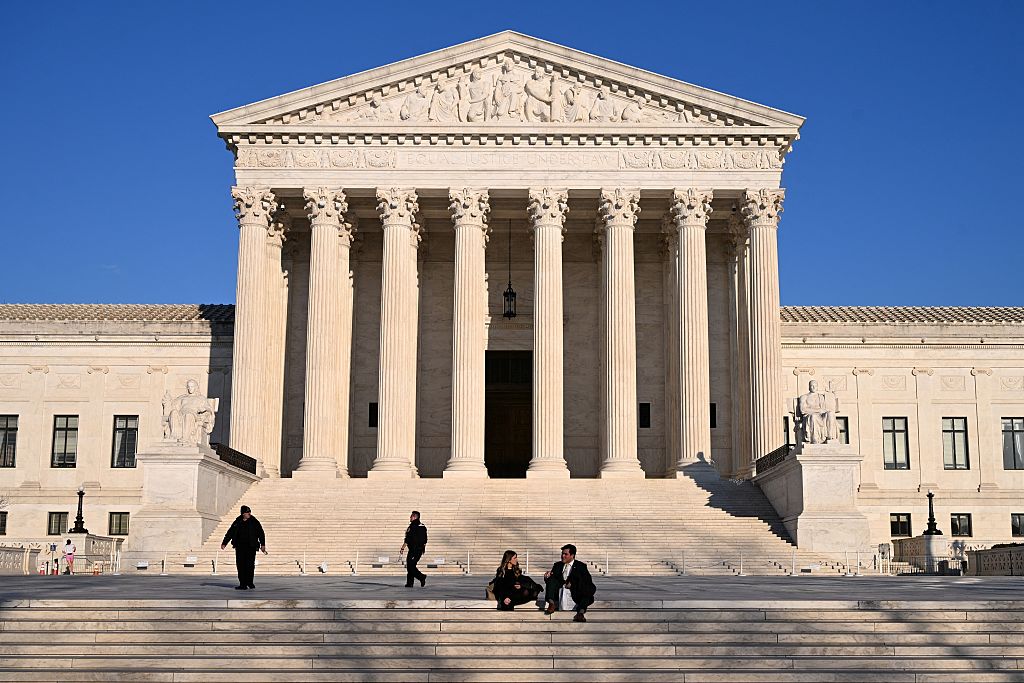
During his 2006 confirmation hearing, then-Senator Joe Biden questioned Supreme Court nominee Samuel Alito about presidential authority to wage war without congressional approval. Alito responded that while presidents possess commander-in-chief powers to act in emergencies, the question remained unsettled. Two decades later, President Trump launched military action against Iran without congressional authorization or evidence of imminent threat. Congress may vote on a War Powers Resolution to limit or halt this conflict. Legal challenges to such measures could reach the Supreme Court, potentially giving conservative justices an opportunity to eliminate Congress's post-Vietnam War statutory power to constrain presidential warmaking authority.
#presidential-war-powers #supreme-court #war-powers-resolution #iran-military-action #congressional-authority
Read at Truthout
Unable to calculate read time
Collection
[
|
...
]