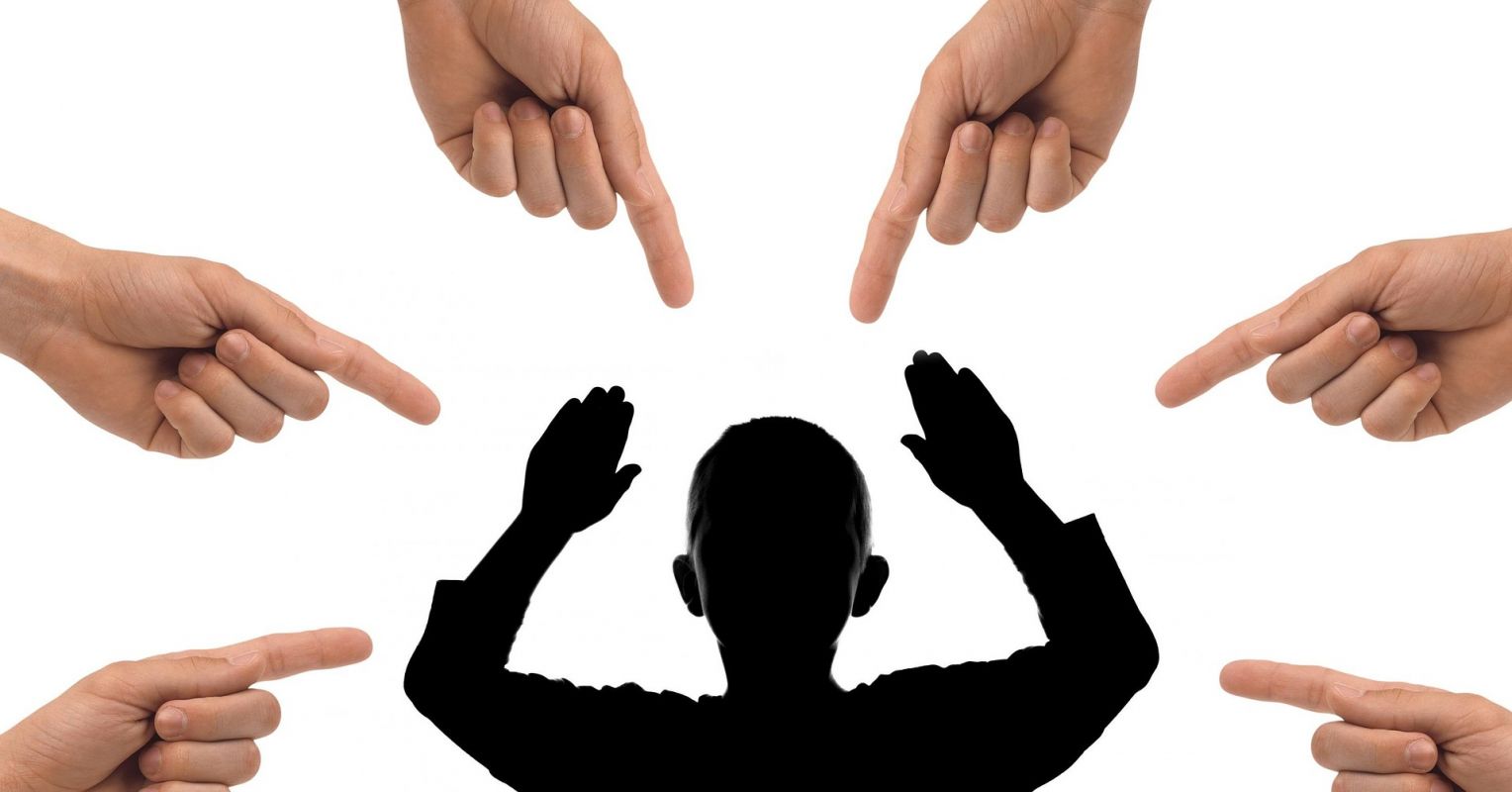
"Your initial defensive reaction to criticism is a stress reaction. That's why it feels simultaneously overwhelming and confusing-rationally, you know how to behave, but stress impairs your cognitive abilities and floods your nervous system. Struggling against stress just produces more stress."
"In theory, if the person criticizing you is someone you care about and value your relationship with, you would respond with perfect calm and grace. You would thank the person for raising the issue, hear them out, and try to do better. In reality? Blood rushes to your ears. Your heart pounds. You feel shame, anger, resentment, or confusion."
"Accept your initial reaction to criticism as the first step in a progression. First, you will have an emotional reaction that may feel disproportionate to what is happening, with physical effects like heating up your body or increasing your heart rate. Next, you will handle your stress. Finally, you can consider the criticism."
Receiving criticism triggers a stress reaction characterized by defensiveness, shame, anger, and physical symptoms like increased heart rate. This gap between ideal responses and actual reactions stems from stress impairing cognitive abilities and flooding the nervous system. Rather than resisting this initial reaction, accepting it as the first step in a progression enables recovery. The process unfolds in stages: first an emotional reaction with physical effects, then stress management, and finally consideration of the criticism. After recovering from the stress response, individuals can work constructively with the person providing criticism to address and resolve the underlying problem.
#criticism-and-feedback #stress-management #emotional-regulation #defensive-reactions #interpersonal-communication
Read at Psychology Today
Unable to calculate read time
Collection
[
|
...
]