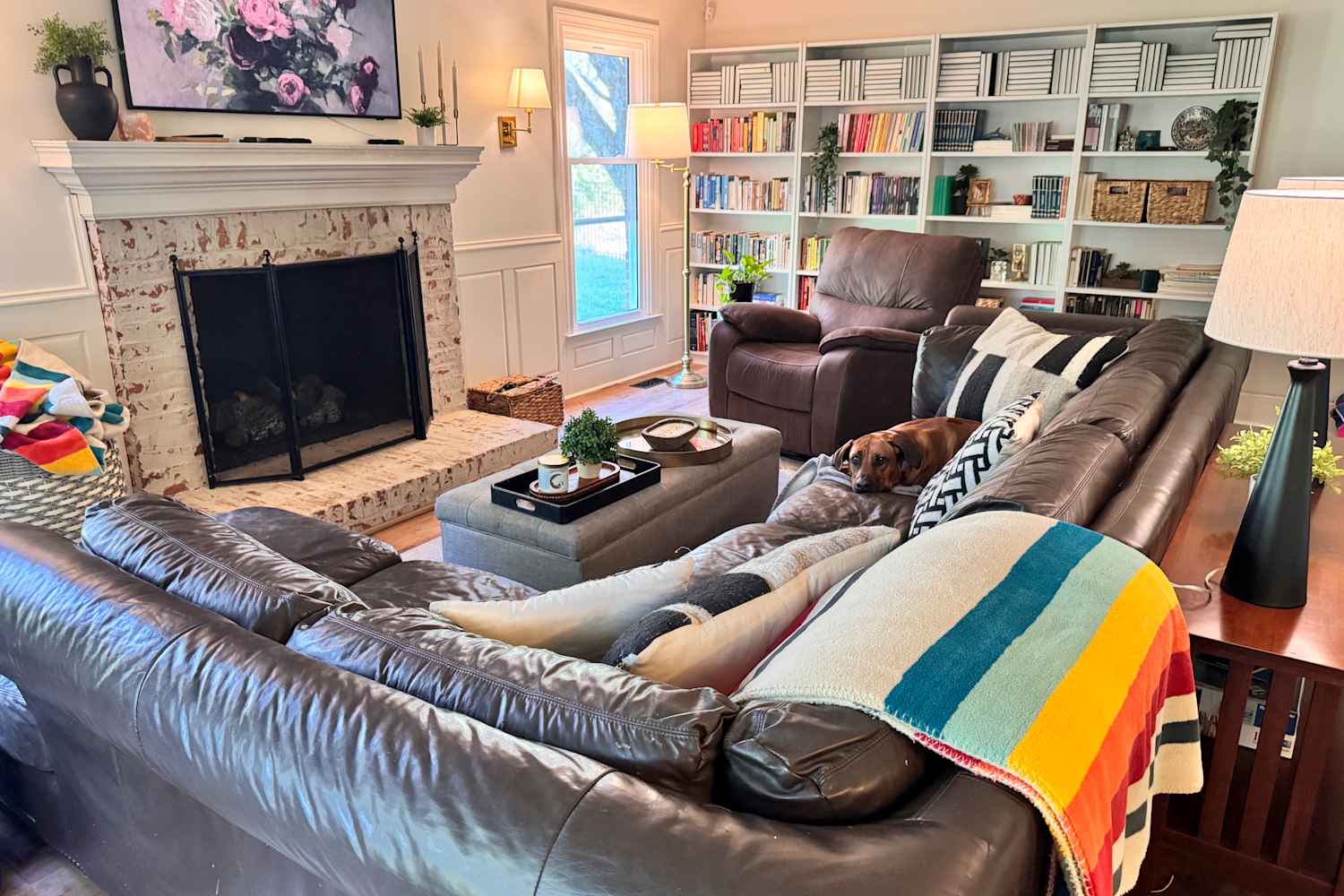
"Dealing with clutter is such an emotionally fraught undertaking, but there's a way to use these complicated feelings to our advantage. For years I've been fascinated by the connection between dopamine and cleaning (I've even written about it in the past). And with "dopamine menu" trending on social media, I've started to consider more ways to use this reward-related neurotransmitter as a way to cut down on clutter."
"Here's how it works: While buying something gives you a cheap shot of pleasure, the danger is twofold. Not only are you adding clutter to your home, but you also risk getting addicted to this money-wasting, clutter-creating action. However, replacing this temptation with the reward that comes from tasks that better serve your home is a win-win. You're actually training your brain to crave activities that not only don't create clutter, but also deal with it."
Clutter provokes strong emotions that can be channeled into constructive routines. A dopamine menu catalogs small, pleasurable rituals that deliver satisfaction without adding possessions. Using the menu in moments of shopping temptation swaps fleeting buying rewards for tasks that improve and maintain the home, reducing both clutter and shopping-driven reward loops. This substitution trains neural cravings toward non-cluttering activities, reinforcing tidy habits over time. Practical examples include detangling cords, cleaning out a makeup bag, and organizing a closet, all of which produce gratification while directly addressing clutter.
Read at Apartment Therapy
Unable to calculate read time
Collection
[
|
...
]