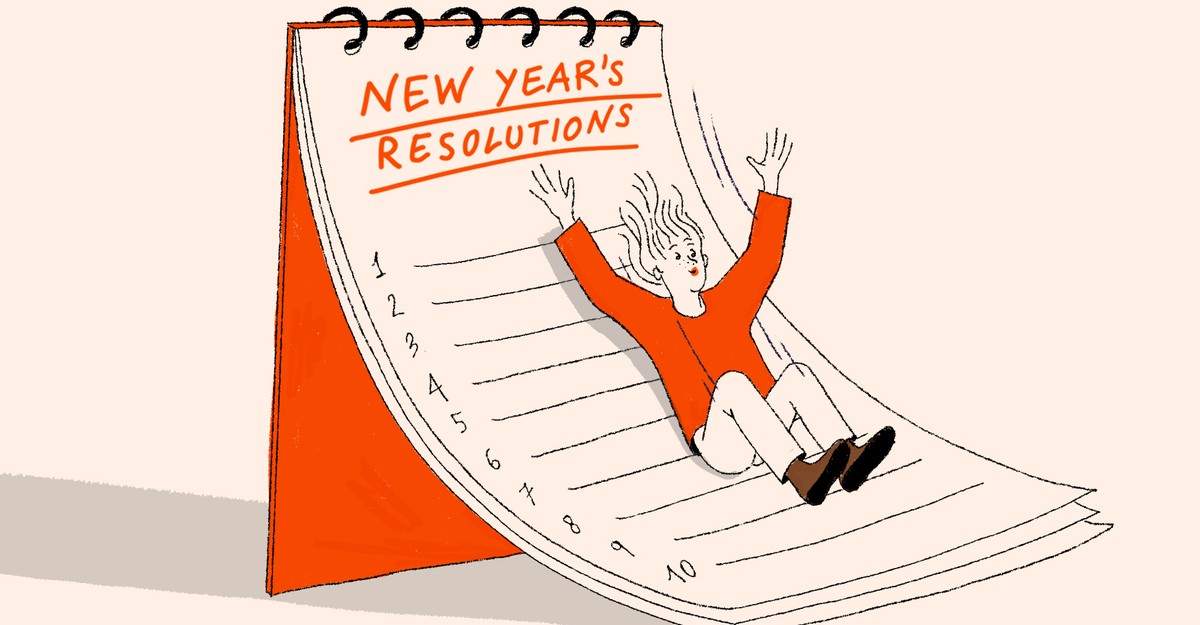
If you want to be more successful with holding onto a positive goal change, current research reports the key will be goal adaptation. Goal adaptation, also known as goal flexibility, refers to the ability to view setbacks with patience and kindness. Approaching your New Year resolution this way allows for wiggle-room, so adjustments can be made to your desired outcome. Goal flexibility also leads to greater feelings of success and well-being.
Partly that's because it's more satisfying to do something you want to do than to avoid something you don't want to do. For example, for decades I drank a ton of Diet Mountain Dew. When I finally decided I wanted to drink less soda, I set an approach goal: Instead of setting a goal like "Stop drinking Diet Mountain Dew in the morning," my goal was "Drink water with my protein bar and banana for breakfast.
Dear Reader, I grew up in a household full of love and care-but also of elephants in the living room and eggshells I had to walk around so as not to ruffle a single feather. My parents are extremely sensitive and horrible listeners, so you can imagine how I coped: I lied. A lot. I lied to get away with things, but mostly I lied so that I wouldn't upset anyone or get into trouble.
You may be familiar with a particular feeling because you were exposed to it often while you were growing up. Maybe you were raised by an anxious parent who constantly warned you about the potential dangers that surrounded you. You may find yourself constantly bracing for something to go wrong or perseverating about the future and things that haven't even happened yet. That might mean you're habituating to worry and fear.