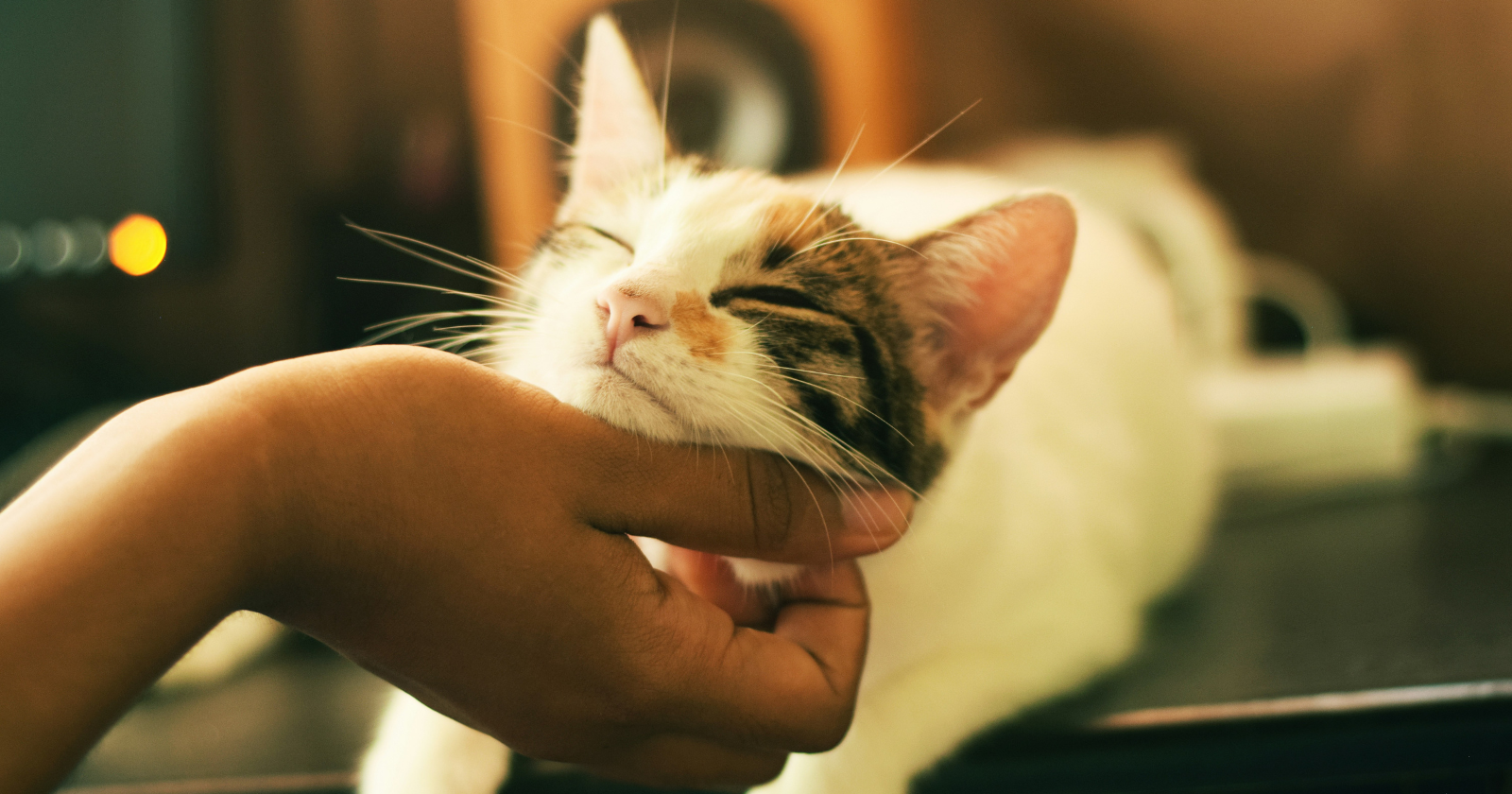
"Every morning, I watch my neighbor's cat trail behind her like a furry shadow, following her from the mailbox to the front door without missing a step. Meanwhile, my own cat barely lifts his head when I walk through the door after being gone for hours. It's enough to make you wonder if you're doing something wrong, or if cats just operate on completely different wavelengths when it comes to showing affection. The truth is, both behaviors are perfectly normal. After spending years trying to decode the mysterious ways cats express attachment (and working through my own relationship patterns in therapy), I've come to realize that cats, much like people, have wildly different attachment styles. Some need constant connection, others value their independence, and most fall somewhere in between."
"Just like my parents' divorce when I was twelve shaped how I approach relationships today, a cat's early experiences fundamentally influence how they connect with humans. Kittens who are handled frequently and gently between two and seven weeks old typically grow up to be more social and affectionate. Those who miss this crucial socialization window often remain more aloof throughout their lives."
"I've seen this firsthand with rescue cats. One friend adopted two siblings from the same litter, but one had been fostered in a busy household while the other spent those early weeks in a quieter environment. Guess which one follows her around like a personal assistant and which one prefers to observe from a distance? The fascinating thing is that these early experiences create actual neurological differences. Cats who receive more human interaction as kittens develop more neural pathways associated with social bonding. It's not that distant cats don't care about you; their brains are literally wired differently when it comes to expressing attachment."
Cats exhibit a wide range of attachment styles, from clingy to aloof. Early-life handling between two and seven weeks strongly influences sociability and affection. Kittens handled frequently and gently usually become more social, while those missing the critical socialization window often remain distant. Different early environments can produce markedly different adult behaviors even among littermates. Early social experiences produce neurological differences, with more interaction fostering neural pathways tied to bonding. Breed differences also affect attachment tendencies, and most cats fall somewhere between constant connection and complete independence.
Read at Silicon Canals
Unable to calculate read time
Collection
[
|
...
]