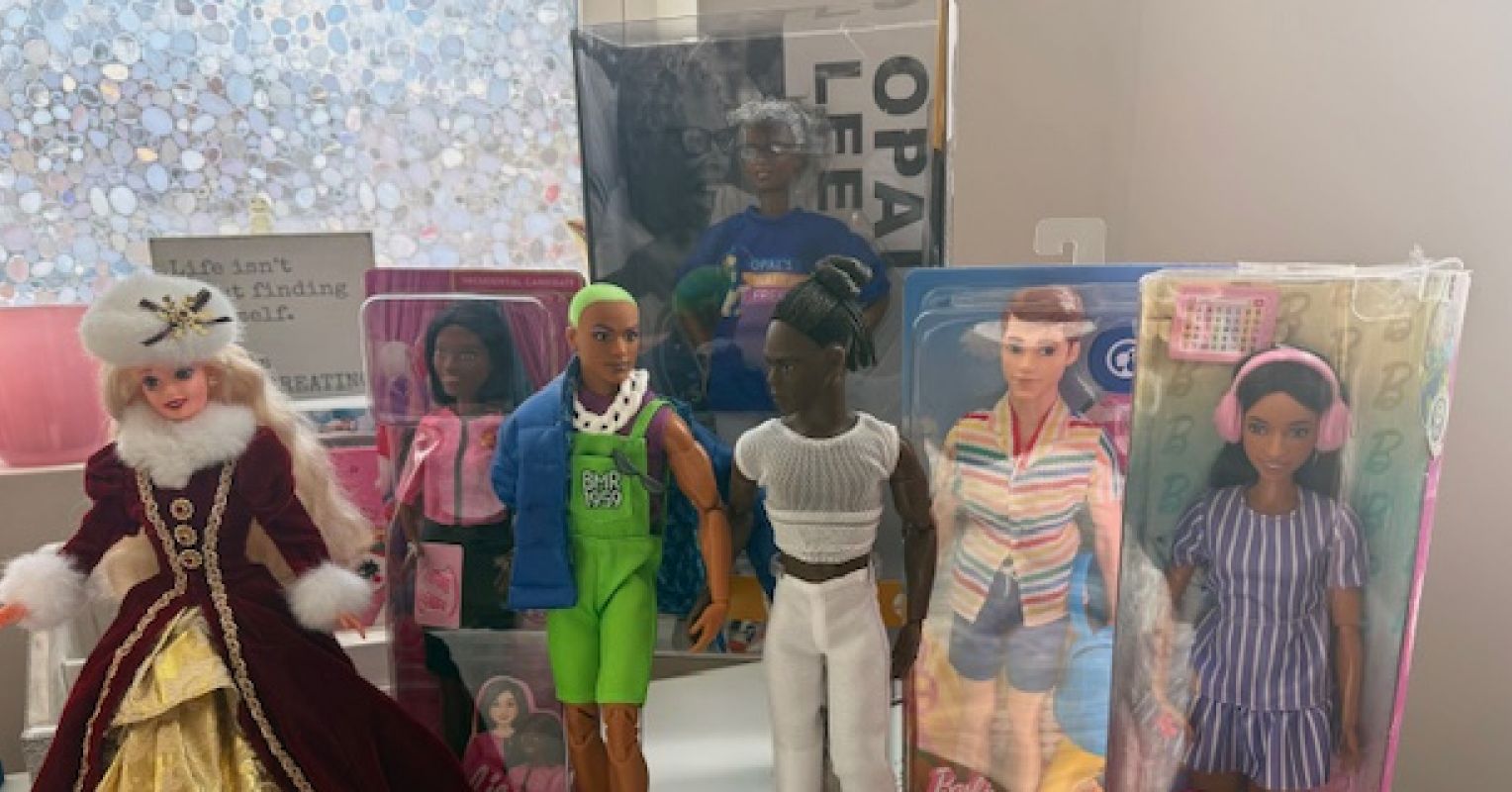
"In a time defined by uncertainty-geopolitical upheaval, cultural polarization, and shifting norms around identity -the little things matter. Sometimes those little things come in 11.5 inches of plastic with a dazzling smile. Yes, I'm talking about Barbie. But not the Barbie you might reflexively dismiss as shallow or outdated. In 2025 and 2026, Mattel's continued evolution of the Barbie line reflects something deeper: a psychologically meaningful commitment to inclusion, stability, and imaginative play in a world that often feels anything but stable."
"For decades, Barbie has served as both cultural lightning rod and psychological mirror-alternately criticized as a symbol of narrow ideals and celebrated as a platform for aspiration. What makes this moment different is not just who Barbie represents, but how she invites children into play. Mattel's recent product development suggests a move away from rigid identity scripts toward open-ended, gender-expansive storytelling-an approach that aligns powerfully with what we know about healthy psychological development."
"The Barbie brand has increasingly positioned itself as a toy for all children, regardless of gender identity or expression. This shift is subtle but significant. Dolls are no longer marketed as exclusively "for girls," and narratives around caregiving, fashion, leadership, activism, and emotional expression are no longer gender-locked. From a therapeutic lens, this matters. Gender-expansive play supports emotional flexibility, empathy, and self-exploration, allowing children of all genders to experiment with roles without shame or restriction."
Barbie's evolution toward inclusive, gender-expansive designs reflects a commitment to stability, imaginative play, and psychological development. Dolls are being positioned for all children regardless of gender identity or expression, with narratives around caregiving, fashion, leadership, activism, and emotional expression no longer gender-locked. Such intersectional play objects function as stabilizing factors amid geopolitical upheaval, cultural polarization, and shifting identity norms. Gender-expansive play supports emotional flexibility, empathy, and self-exploration, allowing children to experiment with roles without shame or restriction. Consistent, inclusive play objects can mitigate stigma formation and facilitate cognitive flexibility during early development.
Read at Psychology Today
Unable to calculate read time
Collection
[
|
...
]