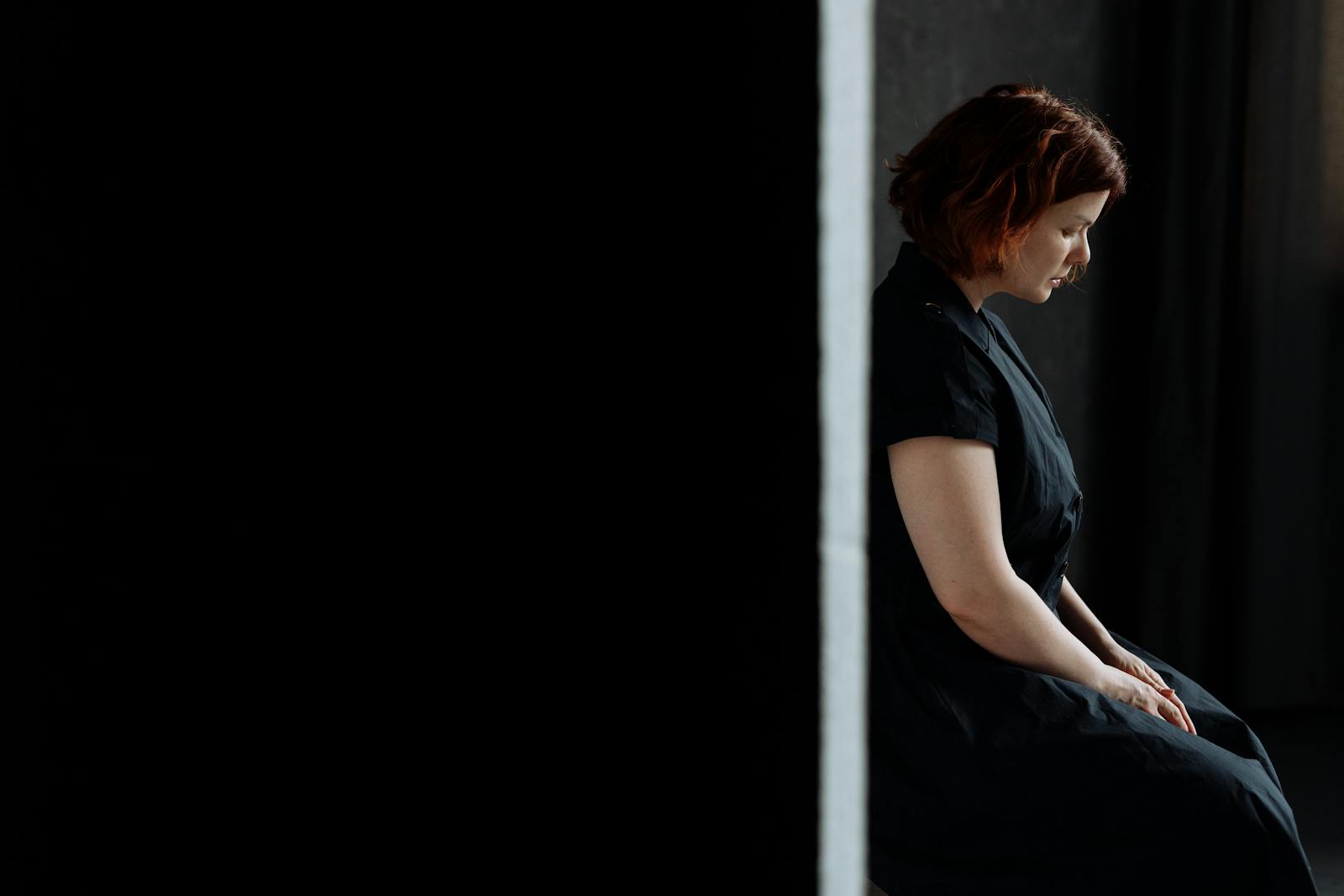
"The calm one in a family carries more of it than anyone else, and they carry it in silence, because the moment they stop, everyone notices the building shaking."
"What looks like strength is often a role assigned in childhood and reinforced through decades of reward and punishment, where the reward is being needed and the punishment is what happens when you stop performing."
"If I stay calm, the situation stays manageable. If I stay calm, nobody gets hurt. The logic is clean, and for a child, it works."
"The problem is that it keeps working. The child becomes the teenager who defuses tension at home, continuing the cycle of emotional labor."
The calm family member absorbs tension and moderates conflicts, often without recognition. This role, assigned in childhood, is seen as a sign of emotional health but can mask deeper issues. The calm one learns to manage chaos to protect others, leading to a lifetime of emotional labor. This strategy, while beneficial for others, can be detrimental to their own well-being, as it reinforces a cycle of suppression and responsibility that is difficult to escape.
Read at Silicon Canals
Unable to calculate read time
Collection
[
|
...
]