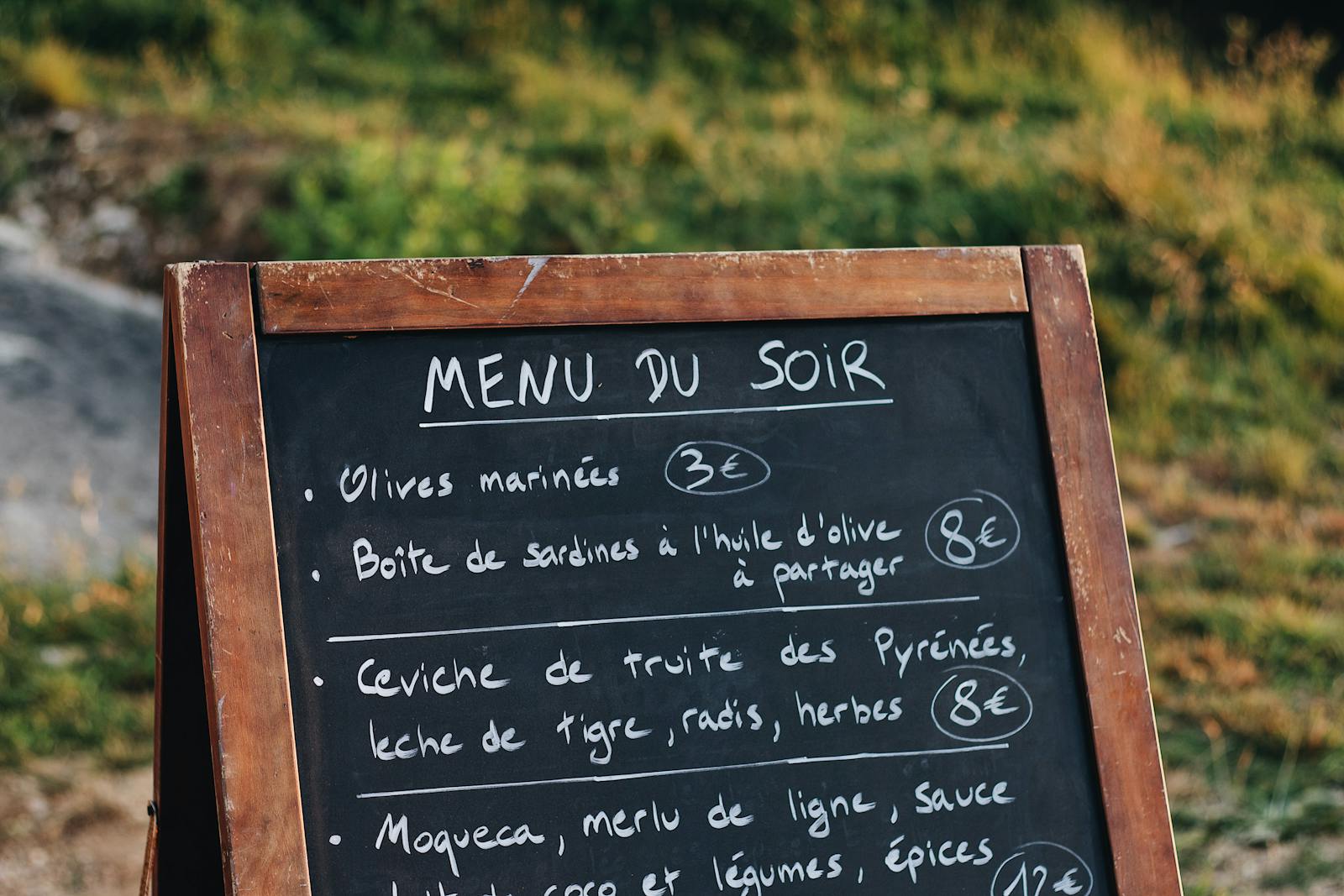
"People who grew up without much money tend to look at the right side of the menu first. The prices. Before they've even registered what the dishes are, they've already built a mental budget. They know the cheapest entrée, the most expensive one, and the rough midpoint. The actual food descriptions come second. This is automatic. It happens before conscious thought kicks in."
"A founder pulling in seven figures can still catch themselves scanning for the price column at a Michelin-starred restaurant, doing quiet arithmetic in their head, even though the bill is irrelevant to their bank account. People who grew up with financial stability do something different. They read the dish names and descriptions first. Price is peripheral information, something they might glance at, but it rarely organizes their decision-making."
"Behavioral economists have a term for what's happening here: scarcity mindset. When resources are limited during formative years, the brain learns to prioritize constraint-based thinking. You evaluate what you can afford before you evaluate what you want. Desire becomes a secondary process, filtered through a cost gate. This gets wired in early."
Observing how people read restaurant menus reveals deep insights about their childhood financial experiences. Those who grew up with limited money instinctively scan prices first, building mental budgets before considering food options. This automatic behavior persists even after achieving financial success. Conversely, people raised with financial stability read dish descriptions first, treating price as secondary information. This difference reflects scarcity mindset—a brain pattern developed during resource-limited formative years that prioritizes constraint-based thinking. The brain learns to evaluate affordability before desire, creating a decision-making filter that becomes neurologically wired early and remains largely unconscious throughout life.
#scarcity-mindset #childhood-financial-imprinting #behavioral-economics #decision-making-patterns #socioeconomic-psychology
Read at Silicon Canals
Unable to calculate read time
Collection
[
|
...
]