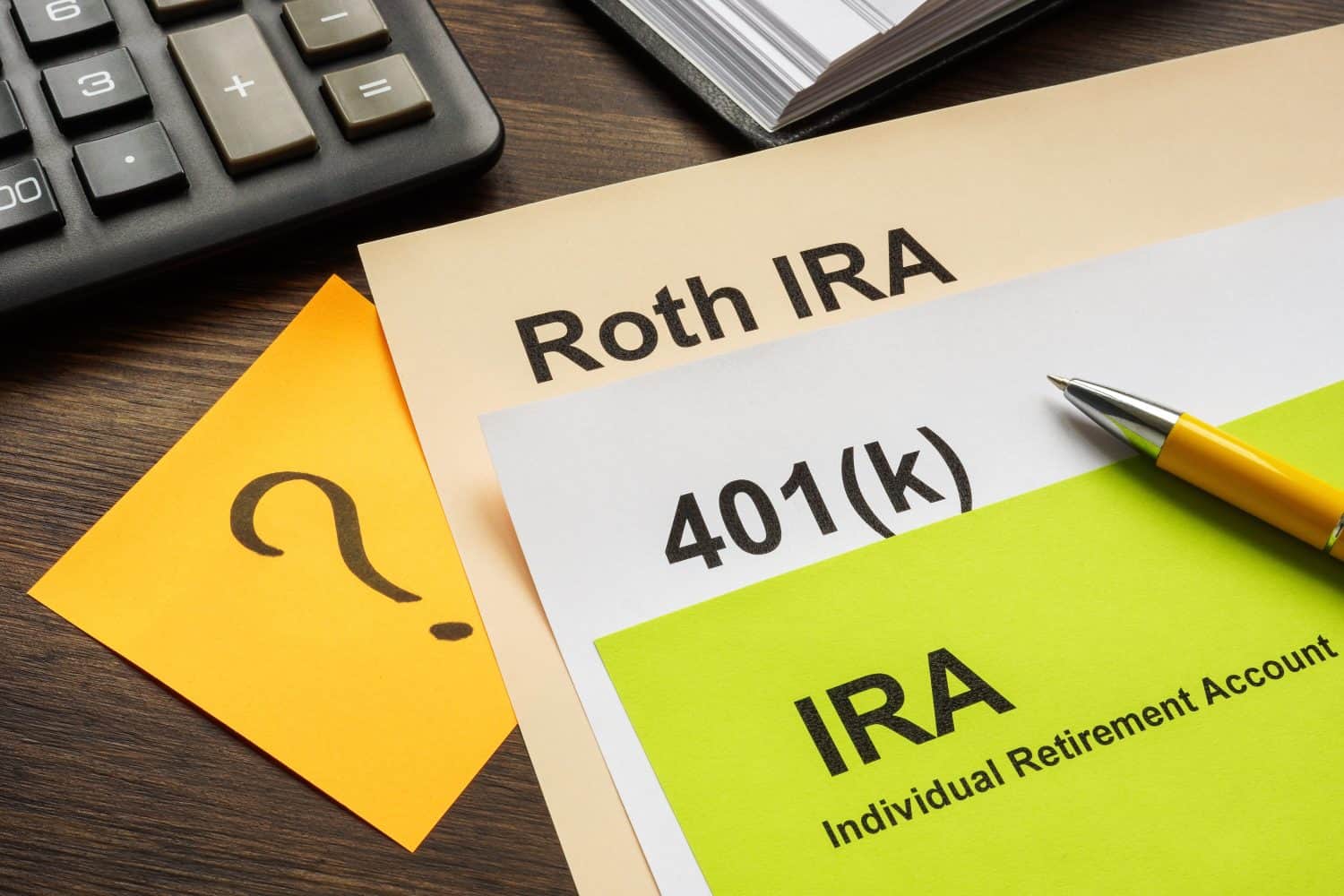
"The IRS sets two separate ceilings for 401(k) plans. The employee deferral limit is $24,500 in 2026. A separate limit under Section 415(c) governs total contributions from all sources: your deferrals, employer match, and after-tax contributions combined. That ceiling is $72,000 in 2026."
"A traditional 401(k) balance of $1.5 million at retirement generates required minimum distributions starting at age 73. Those RMDs count as ordinary income. At a modest 4% distribution rate, that is $60,000 per year added to whatever else you earn, including Social Security and portfolio income."
High earners can utilize the Mega Backdoor Roth strategy to contribute an additional $47,500 in after-tax dollars to their 401(k) and convert it to Roth. This strategy circumvents income limits that restrict standard Roth IRA contributions. The IRS sets separate contribution limits for 401(k) plans, allowing for significant tax savings in retirement. Traditional 401(k) balances generate required minimum distributions, which can increase taxable income and affect Social Security benefits. The Mega Backdoor Roth provides a way to manage tax burdens effectively.
Read at 24/7 Wall St.
Unable to calculate read time
Collection
[
|
...
]