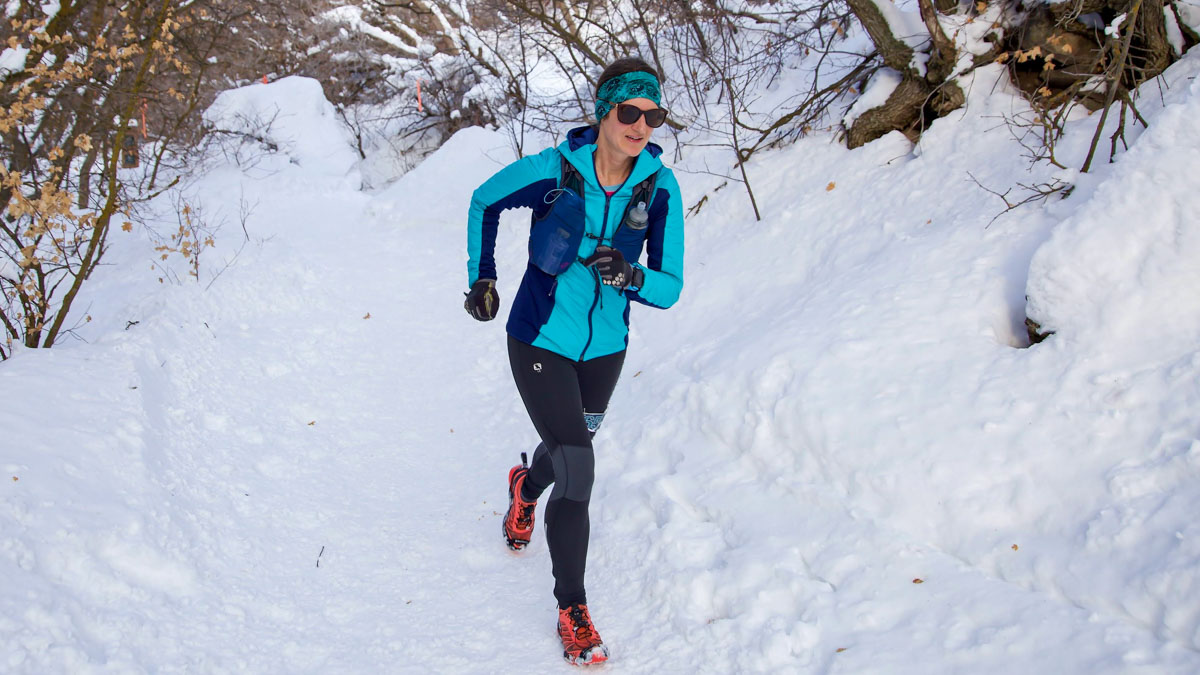
"Are you prone to soft tissue overuse injuries? Maybe a serving of Achilles tendonitis, paired with some iliotibial band syndrome, and a splash of plantar fasciitis sprinkled on top? A helpful strategy for keeping these dreaded pains away is to avoid doing two consecutive runs that look the same. Changing the terrain, slope angle, footing, or intensity of your run can go a long way toward keeping your body healthy."
"For many runners and outdoor recreationists, wool layers are the gold standard. Wool is a natural fiber with wicking properties and insulates even when wet. It has been used for millennia to keep people warm, especially in cold, damp climates. From my experience, the quality of the wool and garment construction makes dramatic differences, and not all are created equal. I've had wool garments that are so itchy they are virtually unwearable, and others that are buttery soft that I never want to take off."
Rotating running surfaces, slopes, footing, and intensity reduces repetitive loading and lowers risk of Achilles, IT band, and plantar fascia issues. Cross-training spreads training stress across different tissues and helps avoid overloading a single area. High-quality merino wool blends provide moisture wicking and insulation even when wet, but garment construction and fiber quality determine itchiness, fit, and durability. Cotton retains moisture and performs poorly for cold-weather running. Fleece performance varies by weight and breathability. Strength training should be integrated into schedules to maintain resilience, and taper planning must reduce volume while preserving key intensity. Waterproof footwear trade-offs include breathability versus dryness depending on conditions.
Read at iRunFar
Unable to calculate read time
Collection
[
|
...
]