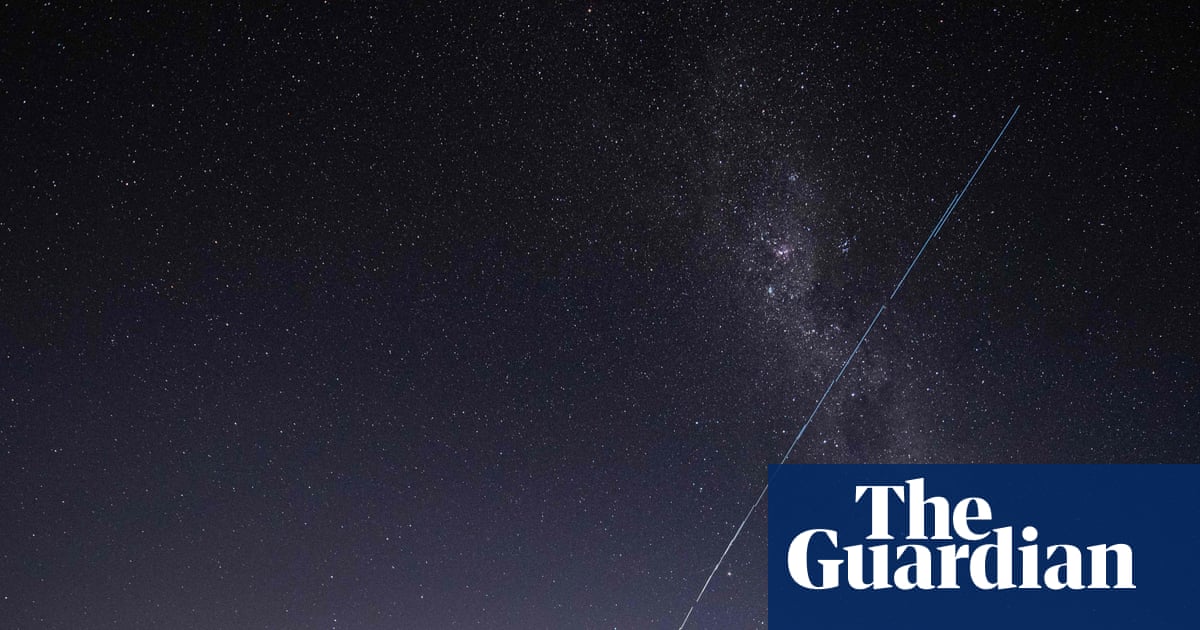
"The proposed scale of orbital deployment would represent a significant alteration of the natural night-time light environment at a planetary scale, disrupting biological clocks that regulate sleep and hormone secretion in humans and animals."
"Altering the light-dark cycle could disrupt migration in nocturnal species, seasonal cycles in plants, and the rhythms of marine phytoplankton that underpin ocean food webs."
"We're saying, please think before you go through with this, because this could have global implications for things like food security. Plants need the night. You can't just get rid of it."
Proposals to deploy reflective mirrors and increase satellite numbers in low Earth orbit raise concerns among sleep and circadian rhythm researchers. Four international scientific societies warn that these changes could disrupt biological clocks, affecting sleep, hormone secretion, animal migration, and plant cycles. They emphasize the need for a full environmental review and limits on satellite reflectivity. The presidents of these societies highlight the importance of the natural night for food security and ecological balance, urging regulators to consider the global implications of such deployments.
Read at www.theguardian.com
Unable to calculate read time
Collection
[
|
...
]