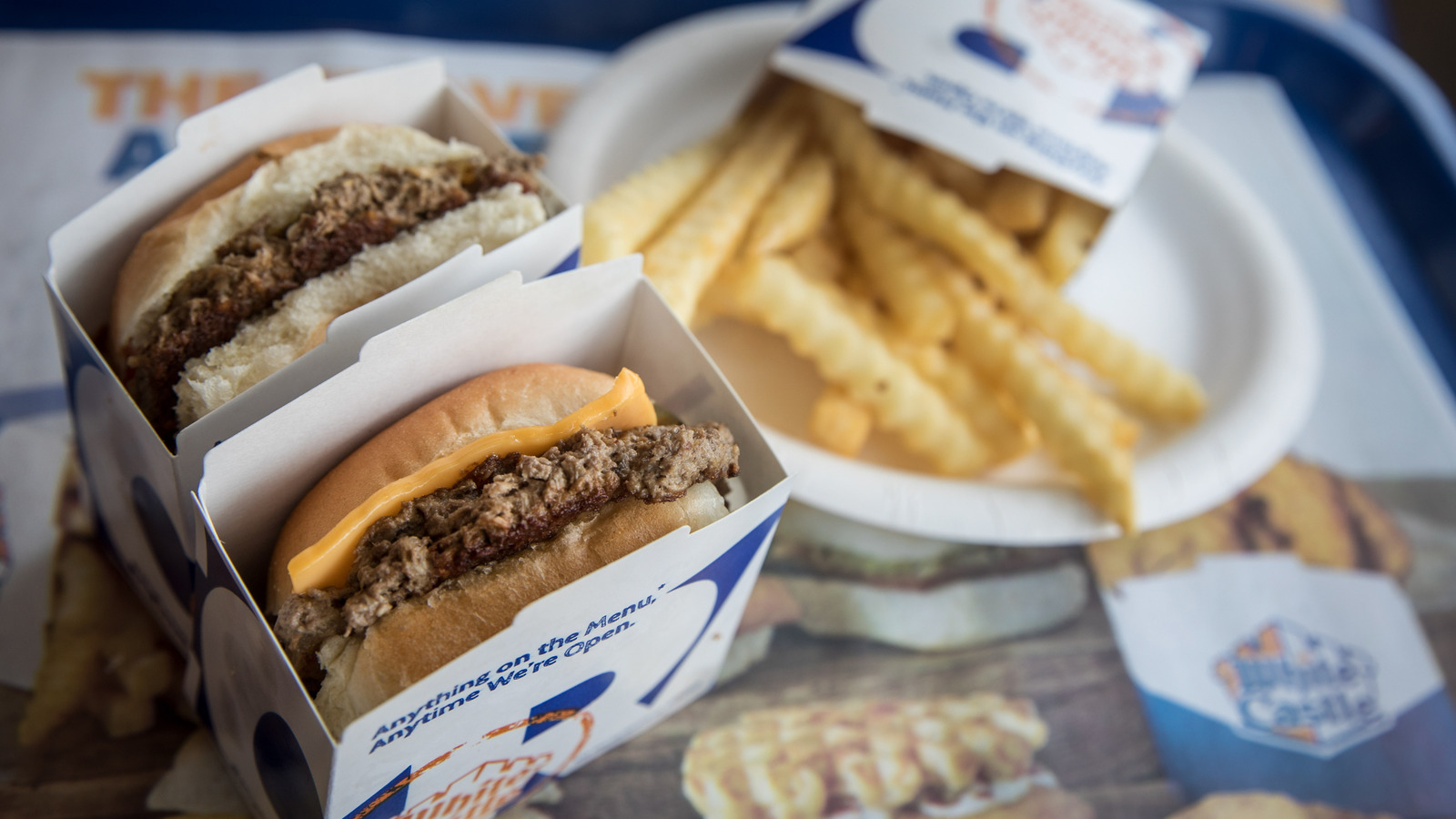
"Walt Anderson opened the first White Castle in Wichita, Kansas, in 1921, making it the first American fast-food burger restaurant - predating giants like McDonald's and Burger King, which didn't come around until the '40s and '50s, respectively. In a time when Americans were very wary about eating ground beef, all thanks to a book on the meatpacking industry called "The Jungle", White Castle made cleanliness and sanitation a main focus."
"Noting the success of White Castle, John and Thomas Saxe drew inspiration from its aesthetic and methods, opening the first White Tower in 1926 in Milwaukee - same castle design, same pricing strategy, same everything. It's said that the Saxe brothers even poached White Castle employees to glean insider knowledge on operations."
"White Castle won its suit against White Tower. The US Court of Appeals told White Tower it had to change the appearance of its restaurants, and was ordered to pay $100 in royalties per location it had already opened. White Tower was made to pay approximately $80,000 in licensing fees."
Walt Anderson established White Castle in Wichita, Kansas in 1921 as America's first fast-food burger restaurant, predating McDonald's and Burger King by decades. White Castle addressed public concerns about ground beef safety through emphasis on cleanliness and sanitation, featuring all-white restaurants with visible kitchens and distinctive medieval castle architecture. The combination of affordable nickel burgers and effective marketing enabled rapid expansion. John and Thomas Saxe replicated White Castle's success by opening White Tower in 1926 with identical design, pricing, and operations. White Castle sued White Tower for trademark infringement in 1937 and won, forcing White Tower to redesign its restaurants to Art Deco style and pay licensing fees. Despite legal setbacks, White Tower grew to 230 locations by 1949, though later faced decline as urban foot-traffic locations became less viable with increased car ownership.
Read at Tasting Table
Unable to calculate read time
Collection
[
|
...
]