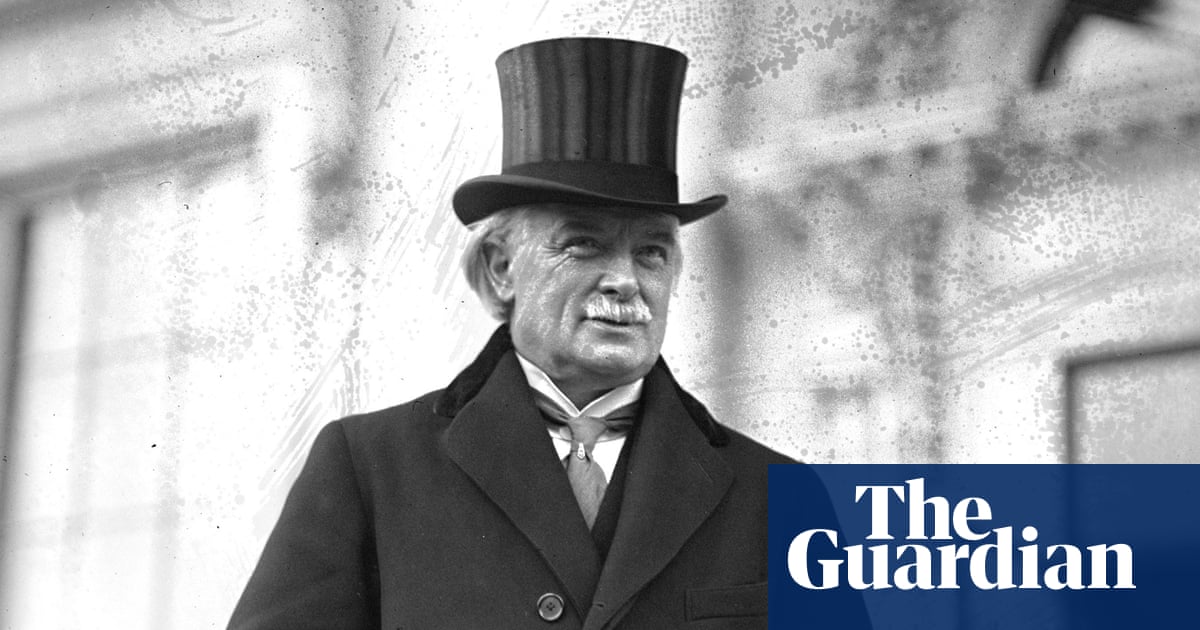
"The House of Lords used to have a complete veto on the Commons. That changed after a row over the blocking of the then chancellor David Lloyd George's budget in 1909. It sparked a general election, with Lords reform on the ballot. The re-elected Liberal government passed the Parliament Act 1911, stripping that veto power in almost all circumstances, though it does allow delay. In 1949, that delaying power was reduced to a year."
"It is different from the Salisbury convention, a practice that means the Lords do not vote down a bill in the government's manifesto. It's extremely rare and often relates to deeply contentious issues of the era. Just seven bills have become acts under this procedure. Most recently, it was used in 2000 for a bill that equalised the age of consent for homosexual acts to 16 and in the Hunting Act of 2004, which banned foxhunting."
The Lords' absolute veto ended in 1911 and its delaying power was reduced to one year in 1949. If the Commons passes a bill but the Lords delay it beyond a year, the bill can be reintroduced in the next session and passed without Lords' consent. Seven bills have become acts under the Parliament Act, including the 2000 age of consent equalisation and the 2004 Hunting Act. Supporters of Kim Leadbeater's assisted dying private member's bill are exploring this route if the Lords block or delay the bill. The process is unprecedented, legally complicated, and the bill faces likely failure by the expected May session end due to slow progress and over 1,000 amendments.
Read at www.theguardian.com
Unable to calculate read time
Collection
[
|
...
]