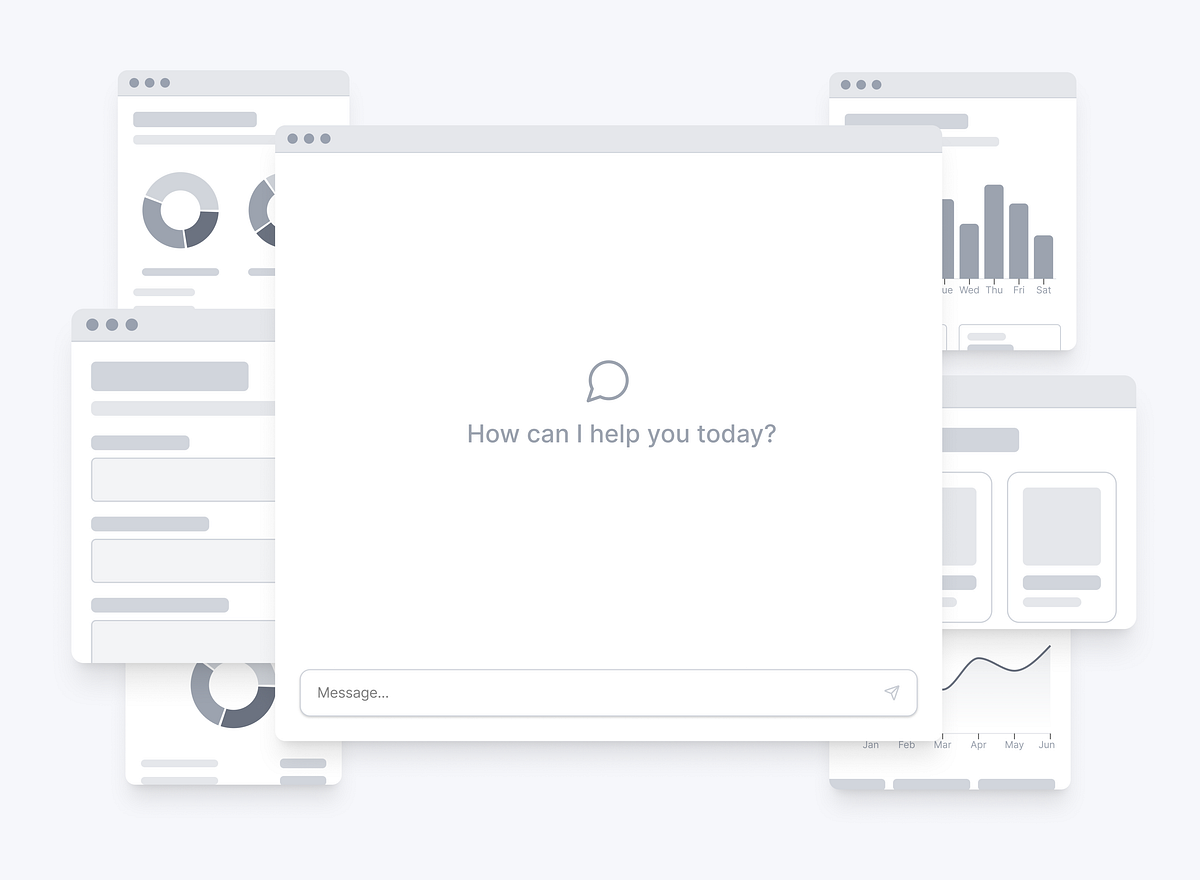
"Is the future of user experience purely conversational? For many, it's tempting to dream about it. Especially if you're a frequent user of large LLM interfaces today. Especially if you follow announcements like OpenAI's recent promise of a screen-free, pocketable product that hints at a life increasingly driven by AI orchestration. And especially if your mental model of AI experience is based on the early ChatGPT experience, which was entirely conversational, with no UI snippets and micro-apps within the chat dialogue."
"It's also easy to fall into this line of thinking after watching the rise of ChatGPT apps - pulling familiar services, like OpenTable, directly into the chat dialogue (spoiler alert: you still need to visit OpenTable's website to complete your user journey, as is the case with almost every app in the ChatGPT app directory). The idea that everything could eventually live inside a single conversational interface starts to feel not just plausible, but inevitable."
AI has driven rapid changes in living, working, and design, but early adoption has produced misconceptions before best practices matured. The pace of disruption remains intense and 2026 shows signs of widespread AI fatigue. Product leaders face the task of shaping UX for AI to prevent experiences that are exhausting, inconvenient, risky, or unsustainable. One major misconception is chatbot-first thinking: assuming conversational interfaces can or should supplant most existing UI patterns. The allure of a zero-UI future grows with large LLM interfaces and integrations, yet many conversational app flows still require traditional websites or micro-apps to complete tasks, challenging the idea of a single conversational interface.
Read at Medium
Unable to calculate read time
Collection
[
|
...
]