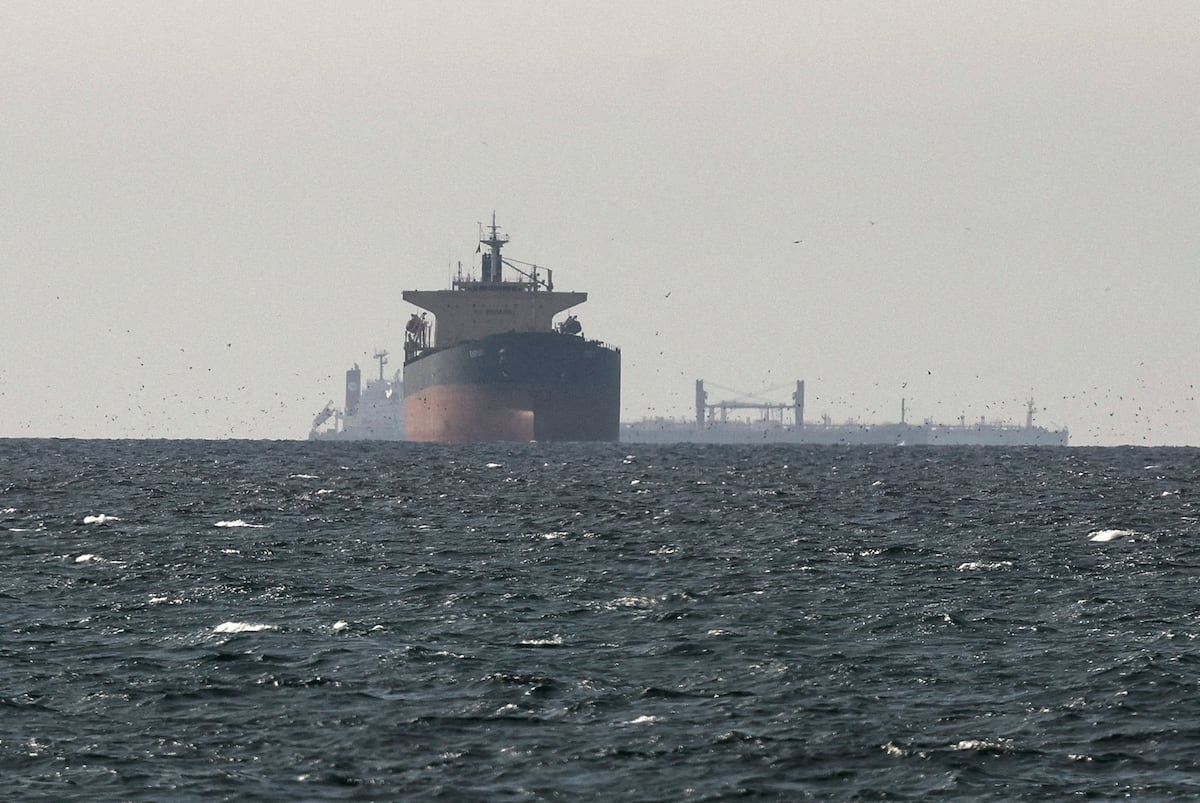
"Iranian sources consulted by EL PAIS assert that the Strait of Hormuz is not and has never been officially closed, and that ships are currently transiting it. These sources maintain that the criteria for allowing passage through the strait separating the Iranian coast from its Gulf neighbors are based on international law, and that they will continue to block the passage of any vessel that could benefit the aggressors, referring to the United States and Israel."
"Iranian authorities, who have repeatedly stated from both Tehran and their foreign ministries that they will not currently accept a ceasefire, assert that they will maintain the situation in the Strait of Hormuz until there is a complete cessation of hostilities against the country: If there is a ceasefire, the situation could return to 90% of its pre-war level. But if the offensive against the Islamic Republic persists, the situation in the Gulf will remain as it is."
Iran maintains discretionary control over the Strait of Hormuz, through which 20% of global hydrocarbons pass, allowing selective vessel transit based on international law criteria. Oil tankers and cargo ships bound for Asian countries including China, India, and Pakistan, as well as Persian Gulf-bordering nations, are permitted passage. Iranian authorities deny the strait is officially closed and assert they will block vessels benefiting the United States and Israel. Iran conditions normalization of strait operations on a complete cessation of hostilities, stating that a ceasefire could restore conditions to 90% of pre-war levels. Recent vessel transits include the Pakistani tanker Karachi carrying 700,000 barrels and Chinese-bound ships carrying over two million barrels combined.
Read at english.elpais.com
Unable to calculate read time
Collection
[
|
...
]