""the point of this resolution is to say we do not want another war in the Middle East, or at least (that) Congress should opine on that." Rep. Ro Khanna explained the resolution's purpose, emphasizing that Congress should have a voice in decisions regarding military engagement in the Middle East region."
""Party loyalty is a powerful force on Capitol Hill, and Republican leaders in the House and Senate will be strongly incentivized to let the Trump White House use military force without congressional approval," Matthew Green, a Catholic University political scientist, explained the structural barriers to passing war powers resolutions against a president of the same party."
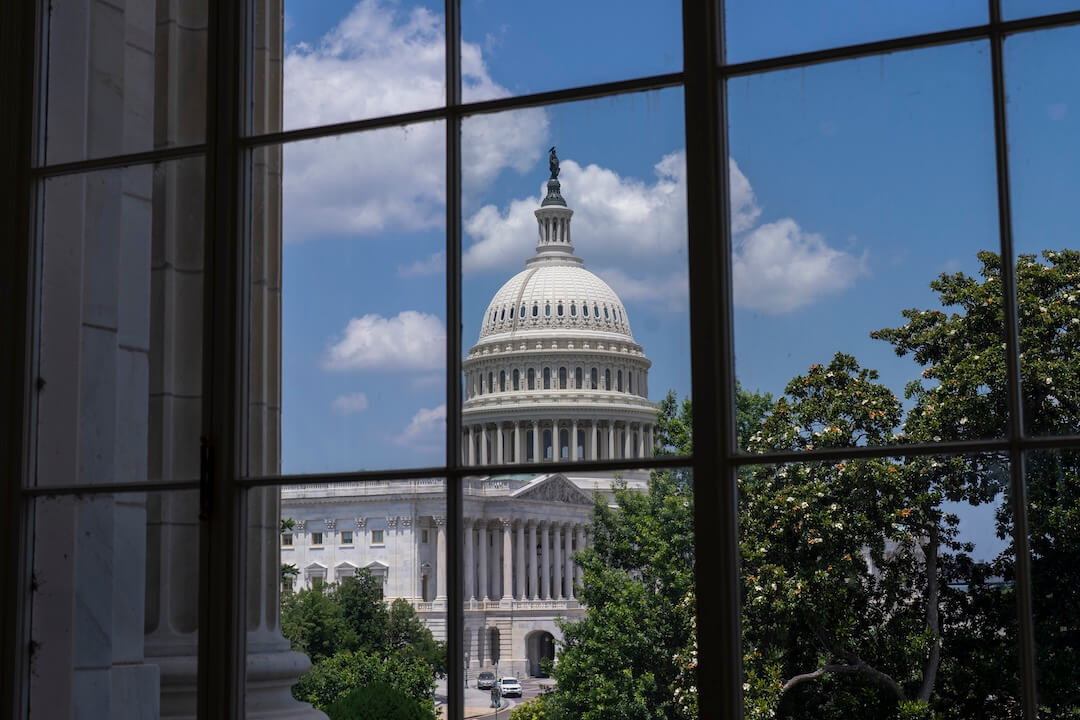
Following a U.S.-Israel military operation on February 28 that killed Iran's supreme leader Ayatollah Khamenei, Democratic and Republican members of Congress introduced war powers resolutions to contest the Trump administration's authority to wage war. Senators Tim Kaine and Rand Paul, along with Representatives Ro Khanna and Thomas Massie, authored measures calling for congressional approval of military action. Votes were expected as early as March 4. However, passage faces significant obstacles: even if both chambers approved, President Trump could veto the resolution, and overriding a veto requires a two-thirds majority that appears unlikely. Party loyalty typically prevents Republicans from opposing Trump's military decisions. Some Trump allies, including Marjorie Taylor Greene and Tucker Carlson, opposed the Iran operation, potentially testing Trump's support within his own party.
#war-powers-resolution #congressional-authority #iran-military-operation #trump-administration #constitutional-powers
Read at Poynter
Unable to calculate read time
Collection
[
|
...
]