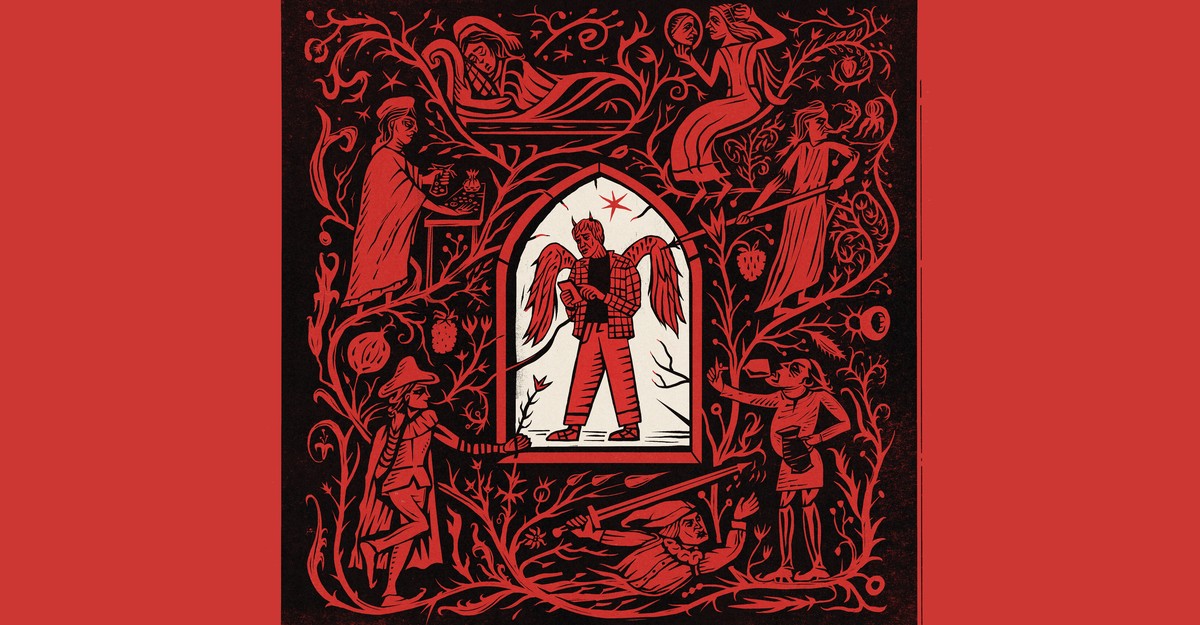
"Sin, the theologians tell us, is whatever separates us from God. Whatever blocks the beams of divine love. And at 3:23 p.m. in Caffè Nero, I am all but unreachable by heavenly radiation; I can feel it wavering, honey-colored, at the fringes of my soul."
"I thought initially that the title of Peter Jones's Self-Help From the Middle Ages: What the Seven Deadly Sins Can Teach Us About Living was an oxymoron. Self-help is our thing, after all, our exemplary piece of circular modernity, our little closed circuit—the distressed subject coming to its own aid."
"But Jones, a medieval historian, shows us that the High and Later Middle Ages (1100 to 1500, roughly) were every bit as goofy as we are about human nature and behavior, and equally hooked on buzzwords, listicles."
The experience of disconnection in modern life evokes a sense of emptiness, reminiscent of the medieval concept of acedia. Traditional sins like anger and envy feel insufficient to describe this state. The author questions whether contemporary society has created an eighth deadly sin, reflecting on the nature of sin as separation from divine love. Peter Jones's work illustrates that medieval perspectives on human behavior were similarly complex and self-reflective, revealing a historical continuity in the struggle with human nature and moral understanding.
Read at The Atlantic
Unable to calculate read time
Collection
[
|
...
]