Tech industry
from24/7 Wall St.
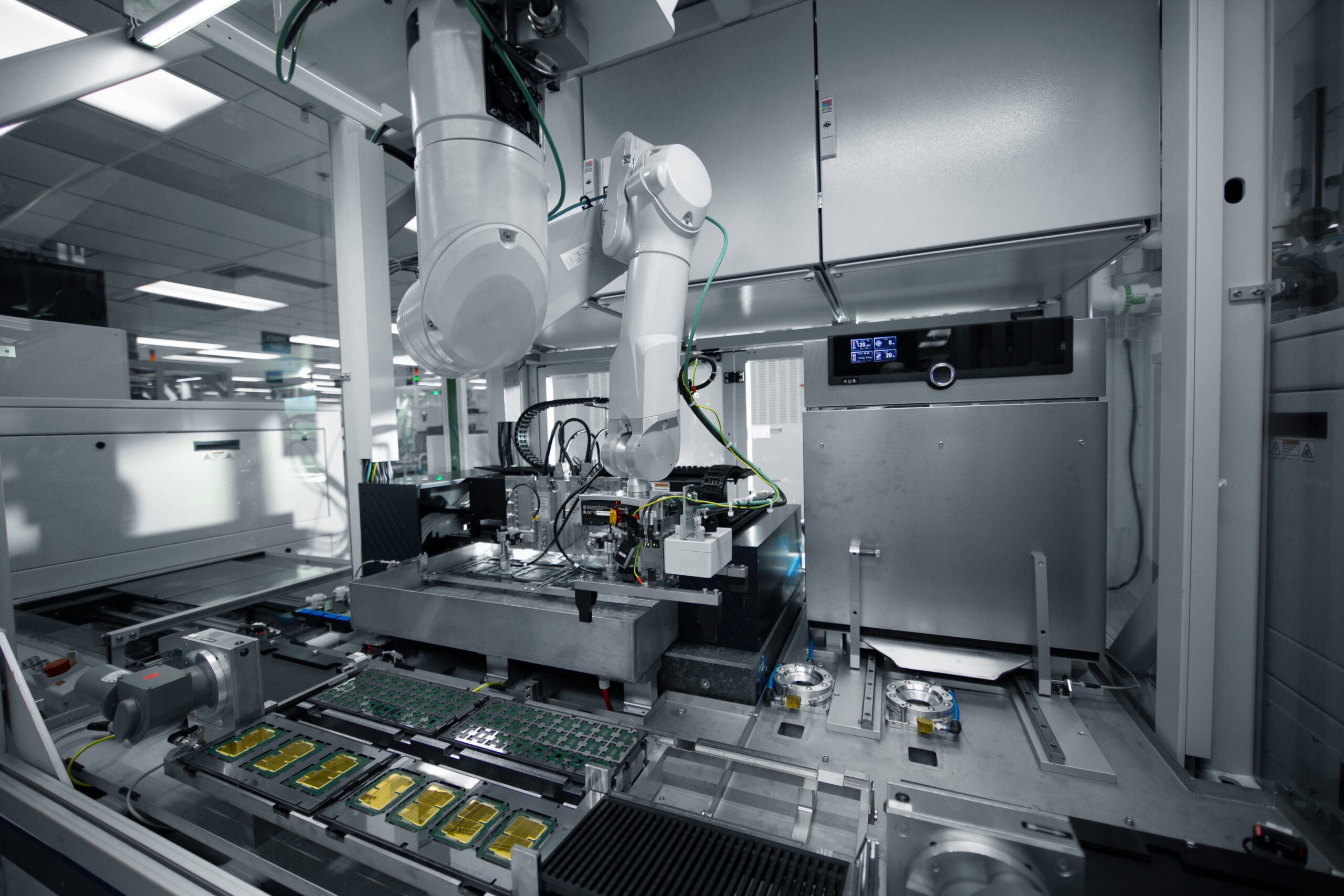
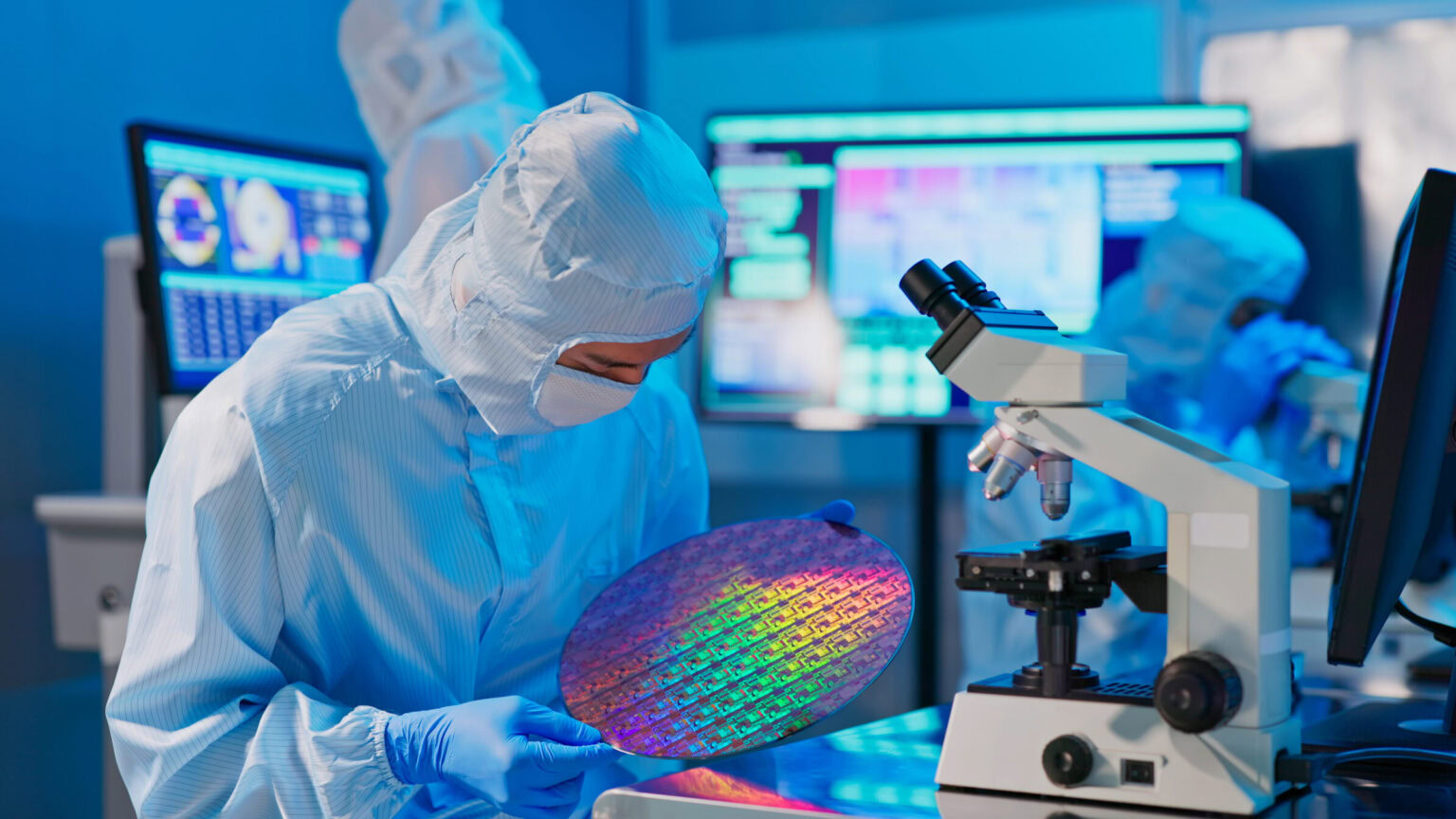
11 hours agoBernstein Analyst: AI Agents Drive Chip Demand 'Off the Charts,' Supply Can't Keep Up
The focus should be on scaling chip production to meet AI demand, rather than market share competition.
The drive-less Digital Edition will increase from $500 to $600; the base PS5 with an optical drive will increase from $550 to $650; and the PS5 Pro is going up from $750 to a whopping $900.
Expect this year to be filled with flux and uncertainty, thanks to lightning-fast changes wrought by AI, and by a Trump Administration that rules by whim and fiat rather than facts and law. So, I know it's something of a fool's game to make predictions about what the year ahead might bring for Microsoft. That said, I've never worried about being called a fool. So here are my five predictions for what Microsoft can expect in 2026.
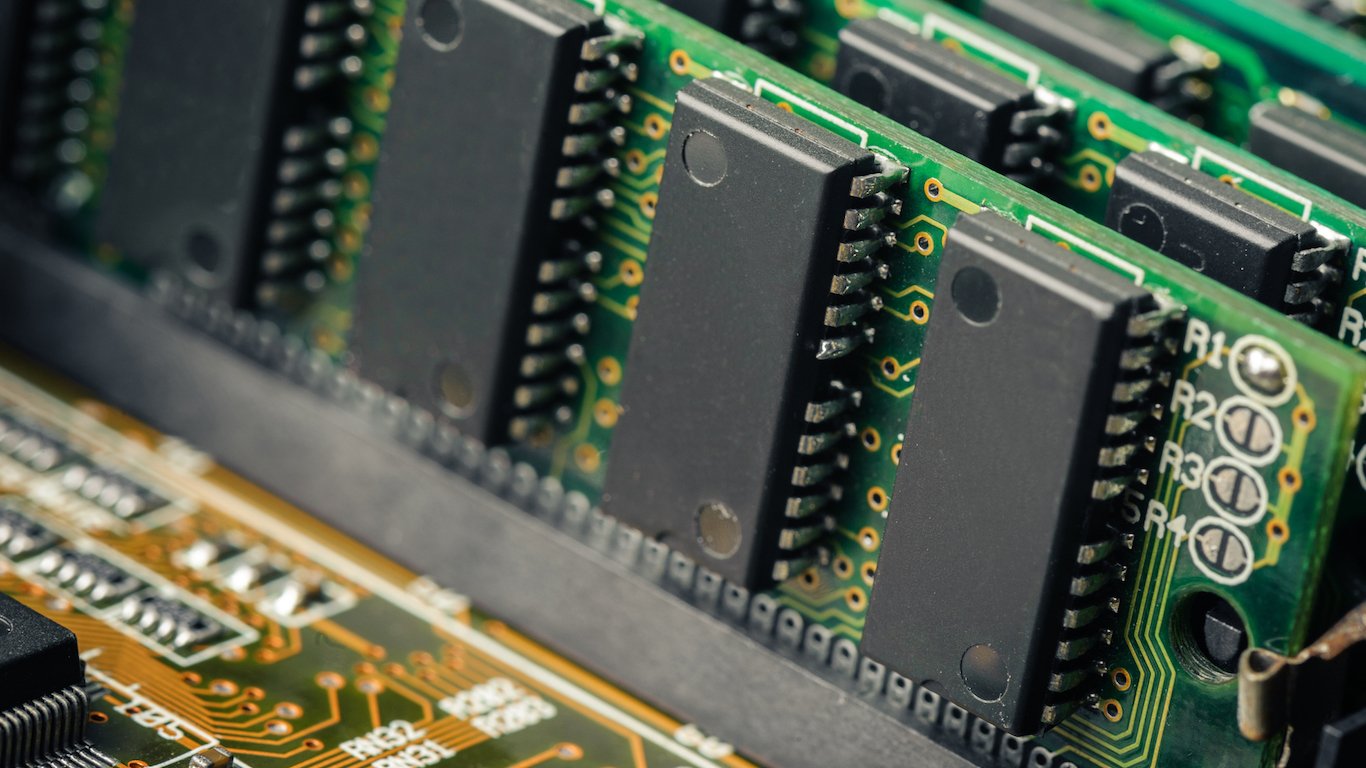
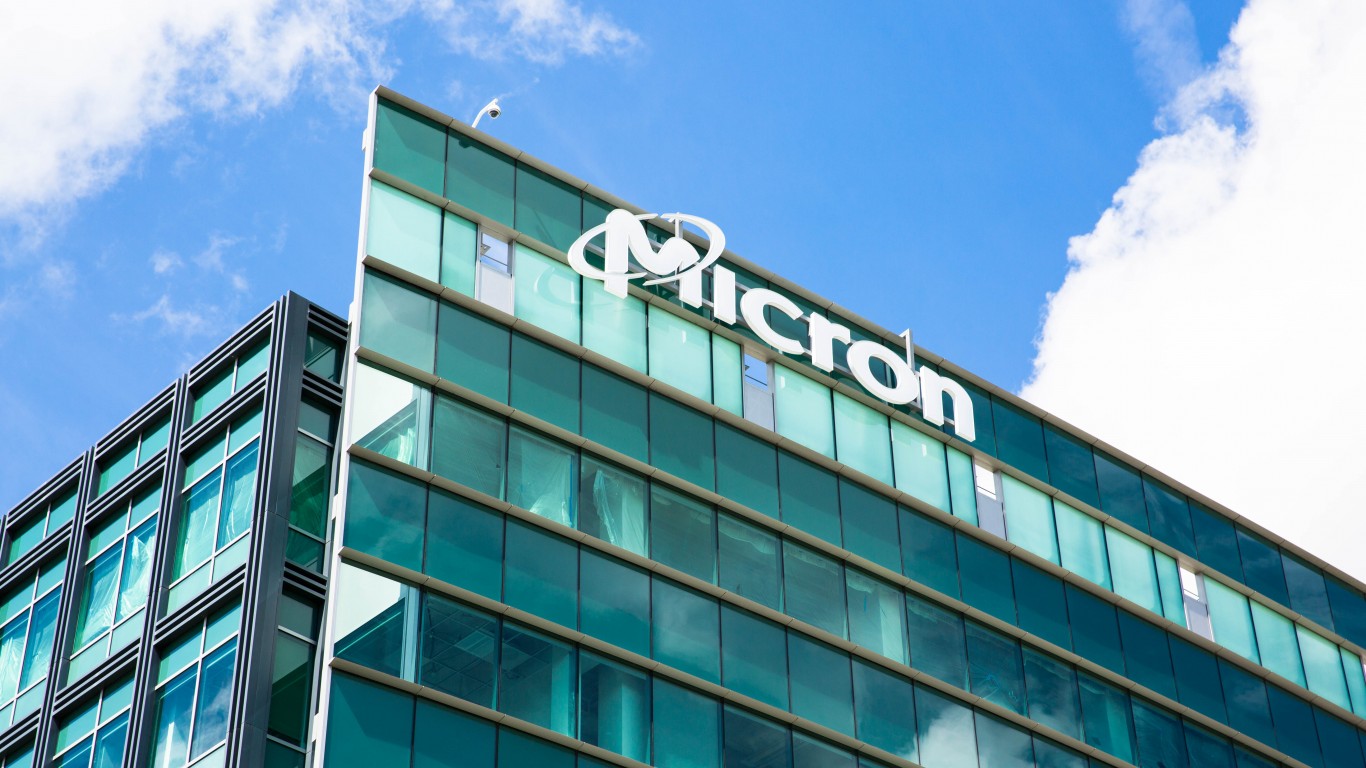
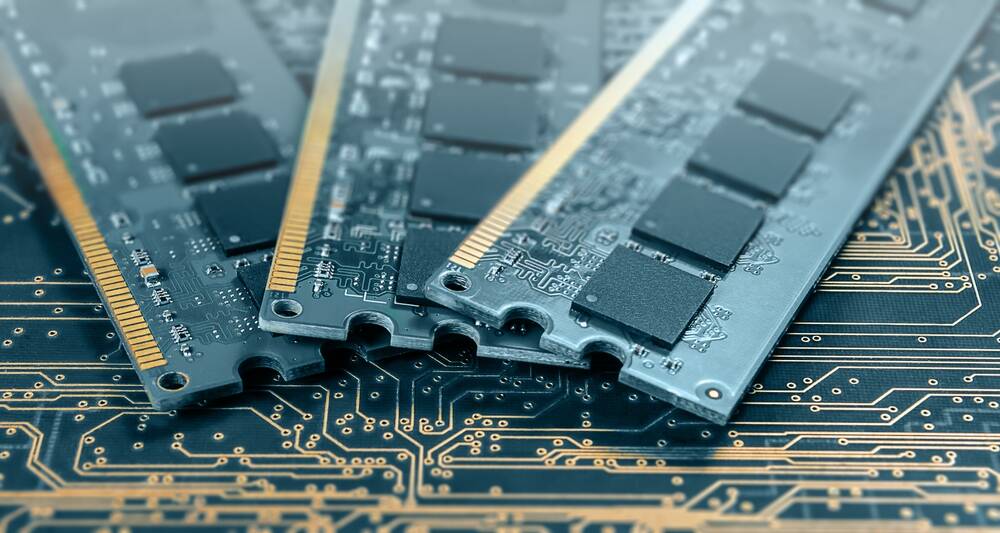
The increasing demand for AI among tech companies is one of the reasons why the global shortage of memory chips remains an ongoing issue. And while it's expected to adversely affect the production of smartphones, Samsung Electronics co-CEO T M Roh has warned that TVs and home appliances may also be hit by shortages and increased prices. "As this situation is unprecedented, no company is immune to its impact," said Roh via Reuters.
On Wednesday, CyberPowerPC announced that it plans to adjust the pricing across all of its systems on December 7th, as reported earlier by PCMag. "Recently, global memory (RAM) prices have surged by 500% and SSD prices have risen by 100%," CyberPowerPC says in a statement posted on X. "This has had a direct impact on the cost of building gaming PCs since 10/1/25."
The CEO of the Chinese tech giant, Eddie Wu, said on Alibaba's second-quarter earnings call on Tuesday that the company "doesn't really see much of an issue in terms of a so-called AI bubble." "We're not even able to keep pace with the growth in customer demand," Wu said, adding that the pace at which Alibaba can deploy new servers is insufficient. "In the next three years to come, AI resources will continue to be under supply," he said.