#autonomous-vehicles
#autonomous-vehicles
[ follow ]
fromwww.businessinsider.com
3 days agoUber gave up on driverless cars. Now it's paying the price.
Uber had a substantial driverless car project more than a decade ago. That's right. It launched in early 2015 when Travis Kalanick was CEO. At the time, Uber was a real contender, racing against Waymo and Tesla. Then, disaster struck. While testing in Arizona in 2018, an Uber driverless car, with a safety driver behind the wheel, hit and killed a pedestrian.
Alternative transportation
#robotaxi-deployment
Toronto startup
fromFortune
3 days agoUber will operate its own robotaxis again-this time with Rivian's notyetbuilt EVs | Fortune
Uber is returning to robotaxi deployment after six years by purchasing autonomous vehicles from Lucid and Rivian, shifting from its previous model of integrating third-party fleets into its app.
Silicon Valley
fromFast Company
1 week agoPhoenix has lived with Waymos longer than any U.S. city. Here's what its mayor learned
Phoenix has become a leading autonomous vehicle testing ground, with Waymo's expansion from pilot to full public service demonstrating successful integration of driverless technology into urban transportation systems.
Toronto startup
from24/7 Wall St.
3 days agoTesla Fades: Three Big Stories Are Moving the Stock Today and They're Pulling in Different Directions
Tesla stock declined 3% amid regulatory scrutiny of Full Self-Driving safety, a new semiconductor venture, and competitive pressure from rivals gaining access to its technology.
#robotaxis


Toronto startup
frominsideevs.com
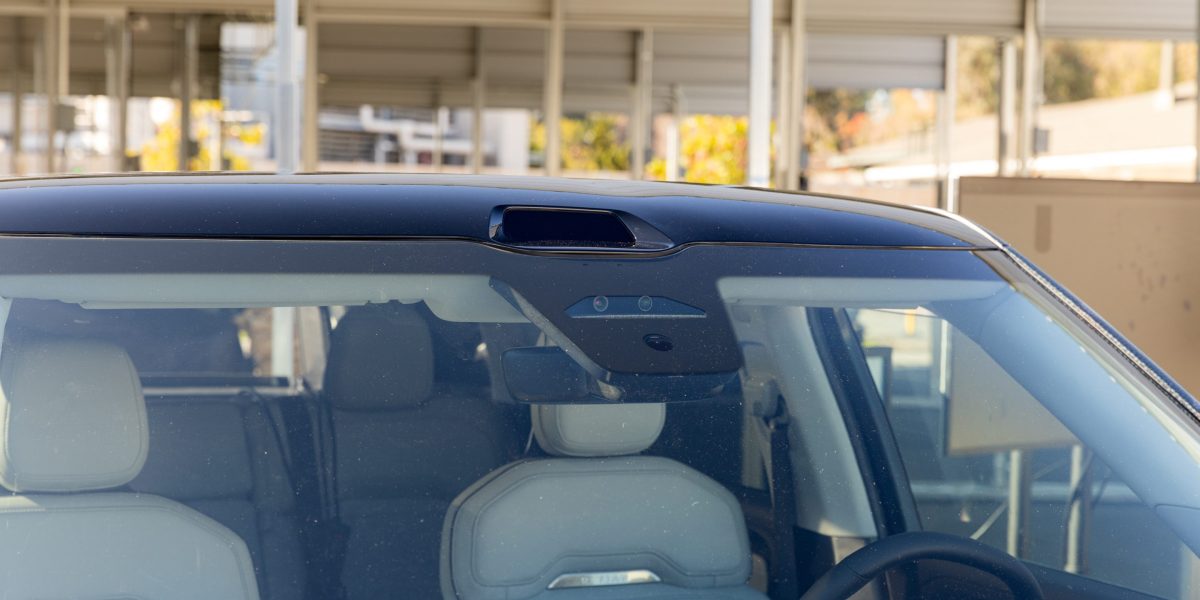
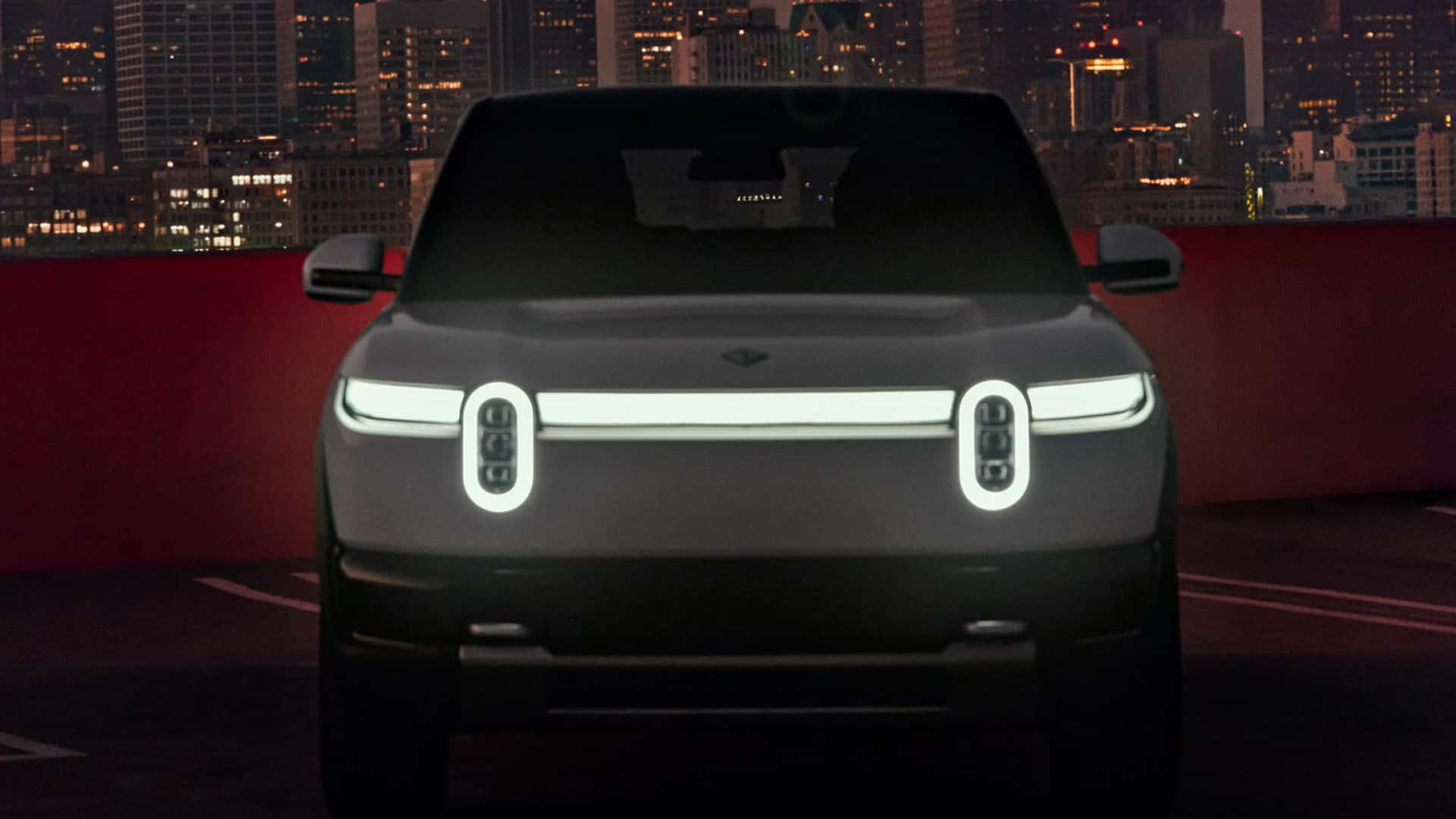
4 days agoUber to Buy Up to 50,000 Rivian Robotaxis, Launching in 25 Cities by 2031
Rivian and Uber partnered to deploy up to 50,000 autonomous R2 robotaxis across the U.S., Canada, and Europe, with Uber investing $1.25 billion and first deployments beginning in San Francisco and Miami in 2028.
Alternative transportation
fromThe Verge
4 days agoUber to invest $1.25 billion in Rivian as part of new robotaxi deal
Uber and Rivian plan to deploy 50,000 autonomous robotaxis over several decades, with Uber investing $1.25 billion in Rivian through 2031, beginning with 10,000 R2 vehicles in San Francisco and Miami by 2028.
Cars
fromwww.theguardian.com
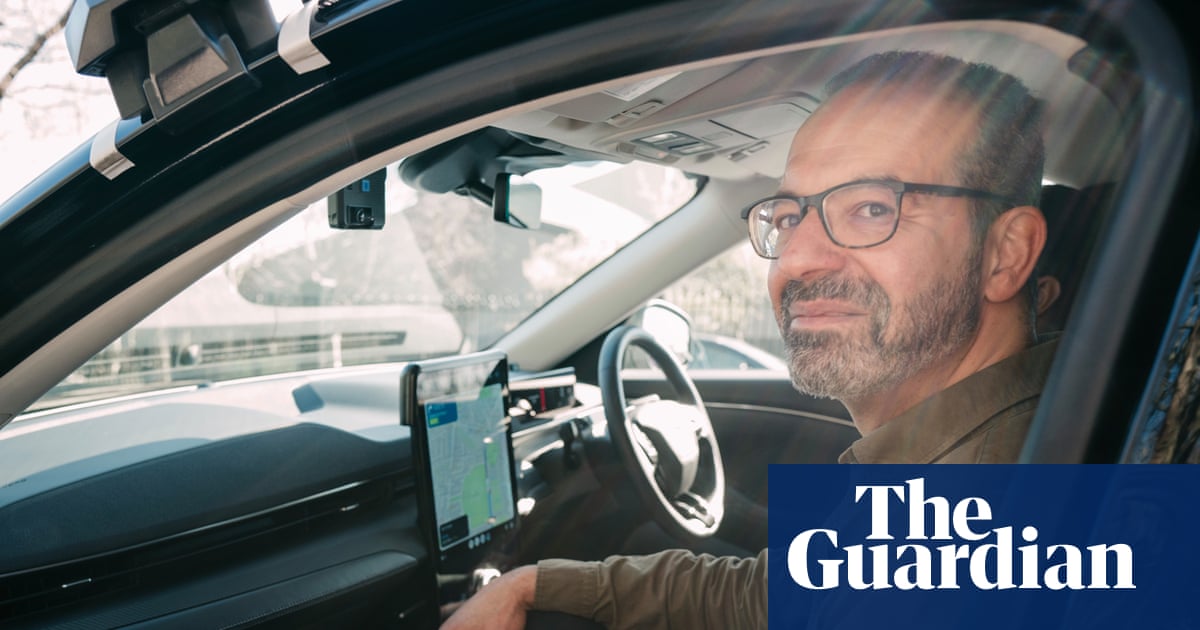
4 days agoWe don't tell the car what it should do': my ride in a self-driving taxi
Wayve's self-driving technology successfully navigates London's complex urban environment, with robotaxis set to launch by end of 2025 following UK government approval under the Automated Vehicles Act.
fromABC7 San Francisco
4 days agoRideshare drivers say Waymo is giving rides to unaccompanied kids, violating state permit
I'm a driver, if I get a minor in my car, I can be deactivated, or if we have an accident with a minor, it can be a huge, huge problem. So, I believe Waymo have to follow the same rules that we have.
SF parents
San Francisco
fromsfist.com
5 days agoWhat Happens When the Waymo You're Riding In Gets Attacked By a Robot Hater? Not Much, and You're Sort of Trapped
Waymo robotaxis face increasing safety challenges from hostile individuals, leaving passengers vulnerable with limited emergency response options and no manual override capabilities.
Toronto startup
fromBusiness Insider
6 days agoFormer Uber CEO says Waymo is ahead in the robotaxi race - and Tesla is chasing a 'ChatGPT moment'
Waymo leads Tesla in the robotaxi race with proven autonomous vehicles, while Tesla pursues a riskier vision-only approach requiring a technological breakthrough to compete.
fromFast Company
6 days agoNew research calls Waymo the 'Kool-Aid man' of the ride-share economy
Waymo's incursion into the U.S. rideshare narrative reminds us of the Kool-Aid commercials from our childhood. The Kool-Aid man kicks down walls, causes havoc, screams 'oh yeah,' and runs off into the next scene. In the case of Waymo, they're kicking down the walls of an entrenched industry, wreaking terror on the multiples, and then running off to the next city announcement.
Roam Research
Alternative transportation
fromFortune
6 days agoWaymo co-CEO insists its robotaxis aren't eliminating human jobs because real people will still be needed to change tires and calibrate the sensors | Fortune
Waymo claims autonomous vehicles create new jobs in maintenance, fleet operations, and infrastructure rather than eliminating existing employment in served markets.
Silicon Valley
fromBusiness Insider
1 week agoApplied Intuition is worth $15 billion. The CEO still wants staff to clean their own office.
Applied Intuition's CEO implements employee desk-cleaning and shoe-removal practices, believing environmental awareness directly improves software quality and product development.
NYC startup
fromFortune
1 week agoTravis Kalanick sees benefits of being in stealth mode for 8 years. 'You build a culture of people that want to build and do not need to be famous' | Fortune
Travis Kalanick launched Atoms, a robotics company for food, mining, and transport, emerging from eight years of stealth mode through his real estate company City Storage Systems.
Venture
fromBusiness Insider
1 week ago'I never left': Travis Kalanick launches new company Atoms
Travis Kalanick launches Atoms, a robotics platform company building specialized industrial robot systems and acquiring autonomous vehicle startup Pronto, expanding from CloudKitchens into food service, mining, and transportation sectors.
#robotaxi-services

Toronto startup
fromEngadget
1 week agoNVIDIA- and Uber-backed Nuro is testing autonomous vehicles in Tokyo
Nuro begins testing autonomous vehicles in Tokyo's challenging streets as a pressure test for its Level 4 autonomy technology before launching robotaxi services in San Francisco and expanding globally.
Toronto startup
fromEngadget
1 week agoNVIDIA- and Uber-backed Nuro is testing autonomous vehicles in Tokyo
Nuro begins testing autonomous vehicles in Tokyo's challenging streets as a pressure test for its Level 4 autonomy technology before launching robotaxi services in San Francisco and expanding globally.
Alternative transportation
fromEngadget
1 week agoUber robotaxi rides are now available for passengers in Las Vegas
Uber and Motional's autonomous Hyundai Ioniq 5 vehicles will launch as optional ride choices in Las Vegas, with plans for fully driverless operation by year-end and expansion to Tokyo in 2026.
Gadgets
fromdesignboom | architecture & design magazine
1 week agowith no steering wheel and control buttons, electric robotaxi lunar relies on itself to drive
Lucid Group's Lunar concept robotaxi features autonomous driving capability, two-passenger seating, and streamlined design with reduced components for lower production costs and assembly efficiency.
#robotaxi
Cars
fromBusiness Insider
1 week agoLucid Motors: 5 big announcements on autonomy, robotaxi bet
Lucid Motors is pursuing Level 4 autonomy through a two-seater robotaxi called Lunar and self-driving technology for consumer vehicles by 2029, targeting profitability through robotaxi partnerships and expanded EV offerings.
Cars
fromTechCrunch
1 week agoLucid Motors shows off robotaxi concept called 'Lunar' | TechCrunch
Lucid Motors unveiled the Lucid Lunar robotaxi concept, a two-seater autonomous vehicle with no steering wheel or pedals, while pursuing partnerships with Uber and Nuro to commercialize autonomous vehicle services.
from24/7 Wall St.
1 week agoUber's Zoox deal latest in broad autonomous vehicle push
Uber Technologies isn't trying to build autonomous vehicles. It's trying to be the road every AV company drives on. The strategy is to become the distribution layer for the autonomous vehicle era, the app that passengers open regardless of whose robot is doing the driving.
Venture

from24/7 Wall St.
1 week agoUber Jumps 4%: Will Robotaxis and Air Taxis Fuel Further Upside?
AVs [autonomous vehicles] amplify the fundamental strengths of our platform, global scale, deep demand density, sophisticated marketplace technology, and decades of on-the-ground experience matching riders, drivers, and vehicles, all in real time.
Venture
#executive-compensation

Tech industry
fromFortune
1 week agoAlphabet CEO Sundar Pichai's new $692 million compensation package hinges on the success of two Google moonshots that aren't making any money | Fortune
Sundar Pichai's $692 million compensation package over three years is contingent on the profitability growth of Alphabet's loss-making subsidiaries Waymo and Wing, with up to $260 million tied to Waymo and $90 million to Wing.
Venture
fromBusiness Insider
2 weeks agoAlphabet CEO could earn up to $692M under a new equity package that's linked to Waymo for the first time
Alphabet CEO Sundar Pichai receives a $692M equity package with performance metrics tied to Waymo and Wing, signaling these ventures are now core business assets rather than experimental moonshots.
#public-transport
Berlin
fromSustainable Bus
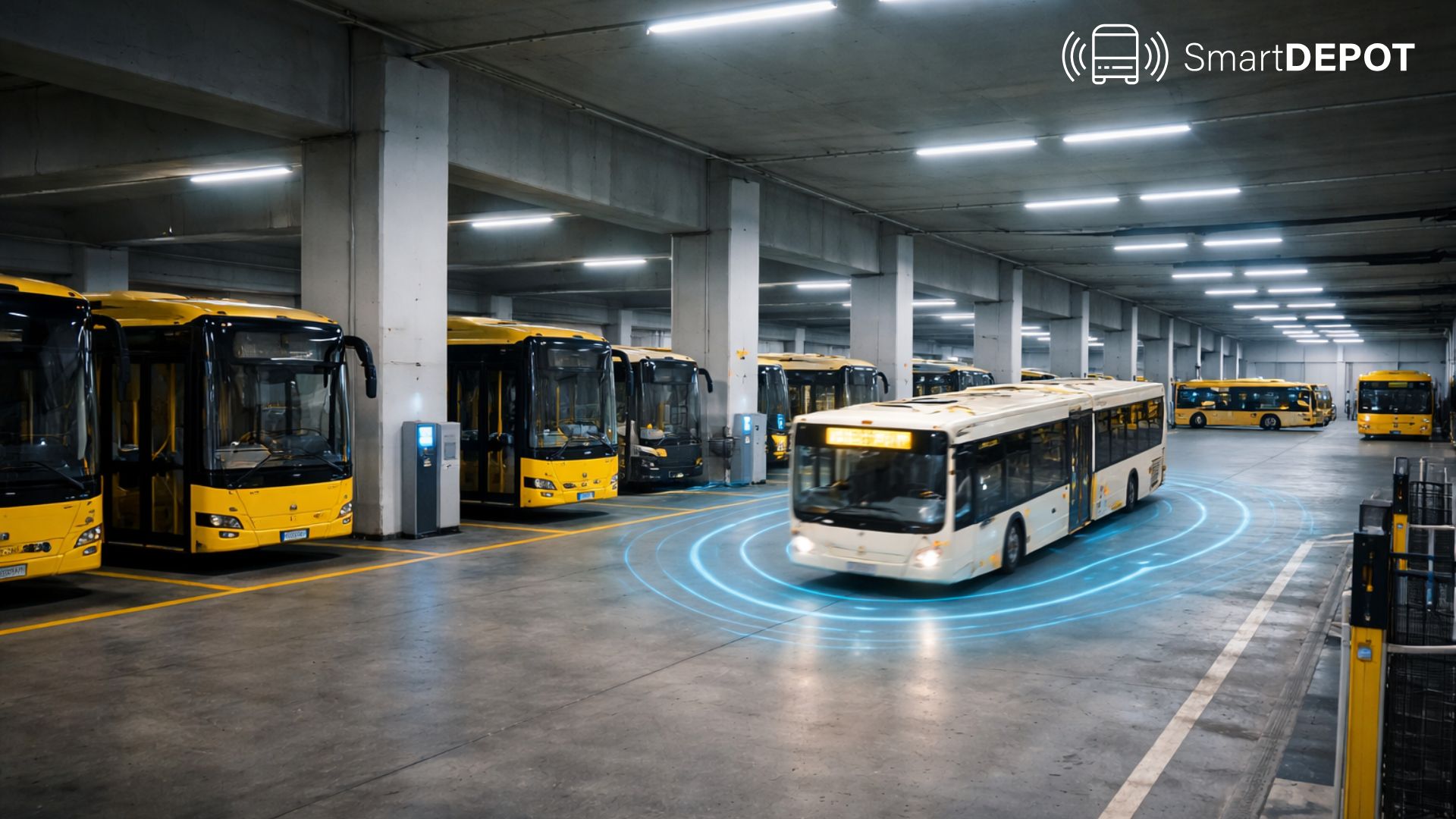
1 week agoMobility Move 2026 gathers 1,600 participants and 110 exhibitors in Berlin - Sustainable Bus
Mobility Move 2026 in Berlin hosts 1,600 participants and 110 exhibitors across three days, featuring five specialized forums on electrification, automation, and digitalization in bus-based public transport.
Berlin
fromSustainable Bus
1 week agoMobility Move 2026 gathers 1,600 participants and 110 exhibitors in Berlin - Sustainable Bus
Mobility Move 2026 in Berlin hosts 1,600 participants and 110 exhibitors across three days, featuring five specialized forums on electrification, automation, and digitalization in bus-based public transport.
fromStreetsblog
2 weeks agoThe Week in Short Videos - Streetsblog California
L.A. Metro transit ambassadors are making Metro trains and buses safer and more welcoming. SBLA speaks with real life ambassadors, and Madelyn Brozen, co-author of a recent UCLA study that found ambassadors are improving Metro riders' experiences.
NYC parents
#robotaxi-expansion
Toronto startup
fromTechCrunch
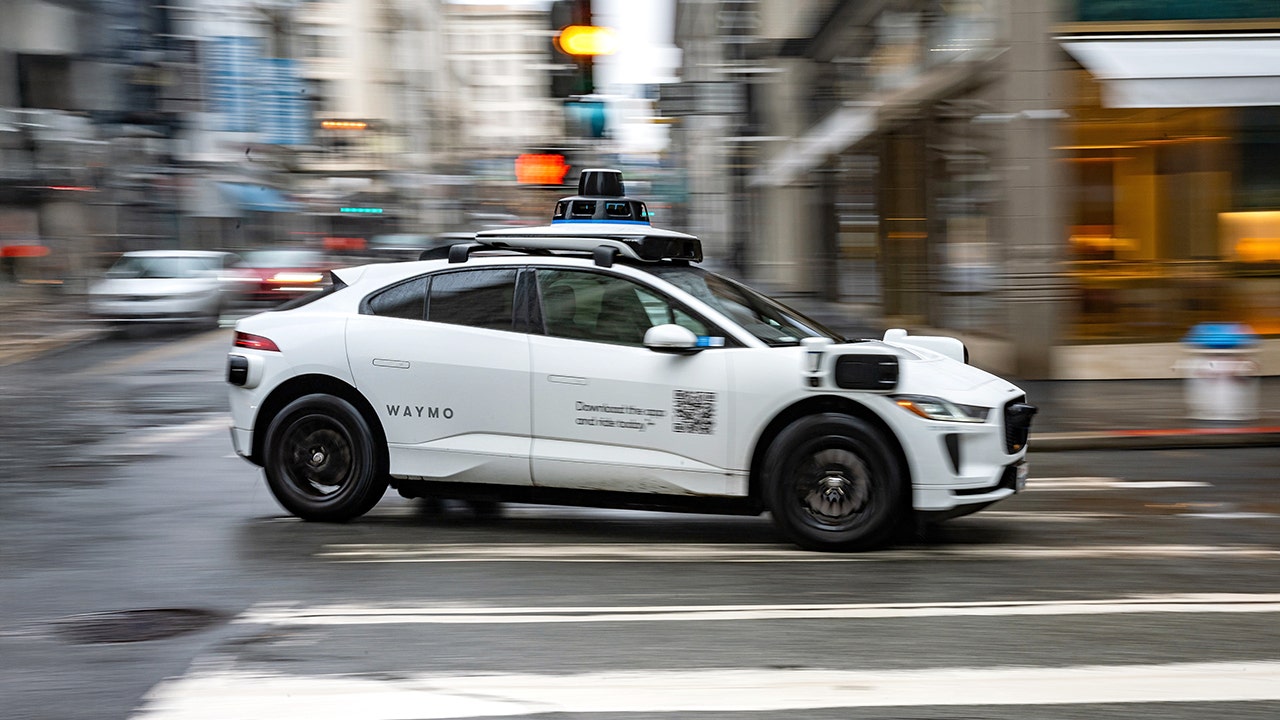
2 weeks agoZoox starts mapping Dallas and Phoenix for its robotaxis | TechCrunch
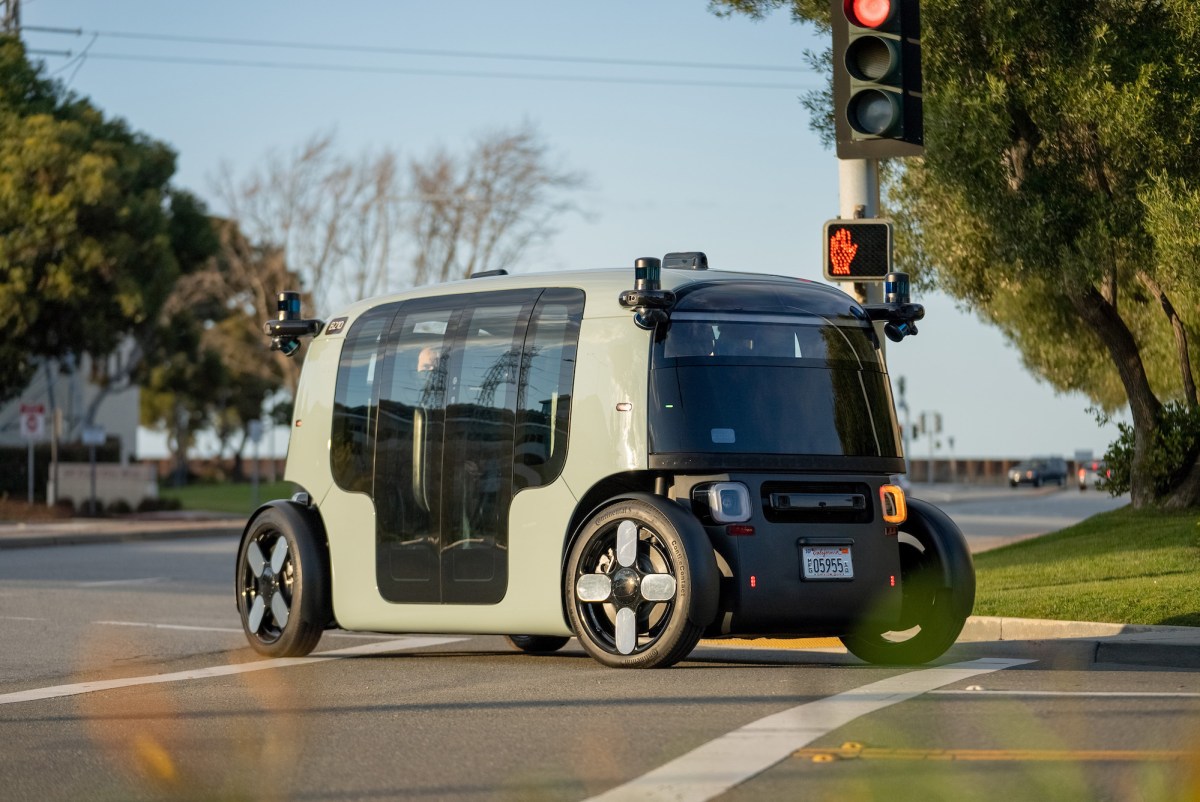
Zoox is expanding autonomous vehicle testing to Dallas and Phoenix by first mapping streets with manually driven Toyota Highlanders before deploying self-driving systems and purpose-built robotaxis.


Toronto startup
fromTechCrunch
2 weeks agoZoox starts mapping Dallas and Phoenix for its robotaxis | TechCrunch
Zoox is expanding autonomous vehicle testing to Dallas and Phoenix by first mapping streets with manually driven Toyota Highlanders before deploying self-driving systems and purpose-built robotaxis.
#electric-vehicles
Toronto startup
from24/7 Wall St.
2 weeks agoTesla and General Motors: BofA Bets Big on Autonomy and ICE Dominance With Bold Price Targets
Bank of America initiated bullish positions on Tesla and General Motors based on divergent transportation futures: Tesla as an autonomous mobility platform and GM as a profitable EV-era truck/SUV leader.
from24/7 Wall St.
2 weeks agoAlphabet Could Simply Be the Best Tech Stock to Own - and It's Still Cheap
Alphabet remains the world's dominant digital advertising powerhouse, with a sprawling empire that includes the likes of Google Search, YouTube, and an absolutely giant (and fast-growing) cloud business that spews off an incredible amount of cash flow for investors.
Venture
fromStreetsblog
2 weeks agoStudy: AVs Will Super-Charge VMT - Streetsblog USA
Researchers at the University of Texas-Arlington found in a new meta-analysis of 26 earlier studies that vehicle miles traveled would increase if U.S. cities made a major shift away from human-driven automobiles, with the papers collectively predicting about a 6-percent bump in average VMT. Worse, they'd still increase more than 5 percent if people shifted away from personally owned cars towards shared autonomous taxis instead.
Cars
Toronto startup
fromThe Atlantic
2 weeks agoTesla's Secret Weapon Is a Giant Metal Box
Tesla is pivoting from selling cars to manufacturing robots and robotaxis, with the Cybercab driverless vehicle and Optimus humanoid robot as centerpieces, though both face significant legal, technical, and safety challenges.
Artificial intelligence
fromIPWatchdog.com | Patents & Intellectual Property Law
2 weeks agoCool AI Patents of the Month: Real-Time Sports Insights and Smarter Vehicles
AI patents demonstrate rapid integration into sports broadcasting and autonomous vehicle technology, enabling real-time content generation and road condition analysis through multimodal data processing.
#waymo
California
fromsfist.com
2 weeks agoWaymo Safety Concerns During Emergencies Being Discussed In SF Hearing
Waymo autonomous taxis malfunctioned during a December blackout, overwhelming intersections by requesting human confirmation for every signal-less intersection simultaneously, causing congestion and blocking emergency vehicles.

California
fromsfist.com
2 weeks agoWaymo Safety Concerns During Emergencies Being Discussed In SF Hearing
Waymo autonomous taxis malfunctioned during a December blackout, overwhelming intersections by requesting human confirmation for every signal-less intersection simultaneously, causing congestion and blocking emergency vehicles.
Venture
from24/7 Wall St.
3 weeks agoTesla's Robotaxi Promises Are Empty: Zero Miles Logged, No Permits, Now Suing Regulators
Tesla claims over 500 robotaxis operating in Bay Area and Austin with exponential growth, but lacks commercial permits in major U.S. markets, generates no meaningful revenue, and faces legal conflicts with regulators.
fromTime Out New York
3 weeks agoSelf-driving shuttles are coming to Newark Liberty Airport
The Port Authority of New York and New Jersey announced plans to test electric autonomous shuttle vehicles at EWR throughout spring 2026, the agency's latest experiment with self-driving technology as the airport undergoes a sweeping redevelopment. The tests, which won't be open to the public, are intended to explore whether automated transit could eventually move passengers between airport facilities and the new AirTrain Newark system currently under construction.
Alternative transportation
fromTechCrunch
3 weeks agoSelf-driving truck startup Einride raises $113M PIPE ahead of public debut | TechCrunch
Einride has secured an oversubscribed $113 million PIPE (private investment in public equity) ahead of its public debut that's expected for the first half of 2026. The Swedish startup is most well-known for building both electric trucks and autonomous pods that are designed to carry freight with no room for a human driver.
Venture
fromGothamist
3 weeks agoPort Authority to test self-driving shuttle buses at Newark Airport this spring
Autonomous vehicles are in use around the world and around the country, and they are part of the modern travel experience. We are building a new Newark Liberty that meets the demands of the next generation of travel.
New York City
Artificial intelligence
fromwww.bbc.com
3 weeks agoNot even potholes will hold up self-driving cars, UK firm predicts
Wayve raised $1.5bn to expand its AI-powered autonomous vehicle technology, planning London robotaxi launches with Uber while claiming capability to drive anywhere including pothole-affected UK roads.
Miscellaneous
fromFortune
4 weeks agoSelf-driving taxis hit London, a city with such complex streets that it has a 'Knowledge' test that takes cabbies years to pass | Fortune
Autonomous robotaxis face major operational and cultural challenges navigating London's congested, irregular streets and widespread pedestrian behaviors, provoking resistance from black cab drivers.
[ Load more ]