"The streets were flooded with manure, the unintended consequence of dependence on horses as the major form of transport. In this sea of filth, the infant car industry smelled an opportunity. The Horseless Age, a US car magazine, claimed in 1896 that, with the spread of motorcars, streets will be cleaner, jams and blockades less likely to occur, and accidents less frequent, for the horse is not so manageable as a mechanical vehicle."
"However, there was nothing inevitable about US cities becoming dominated by cars. As the historian Peter Norton describes in his book Fighting Traffic, it was a direct result of lobbying by the US car industry. It campaigned for the removal of public transport, the banning of jaywalking and the redesign of streets. The advent of the car in the US is a useful cautionary tale as we consider the introduction of self-driving cars into our lives especially in the UK."
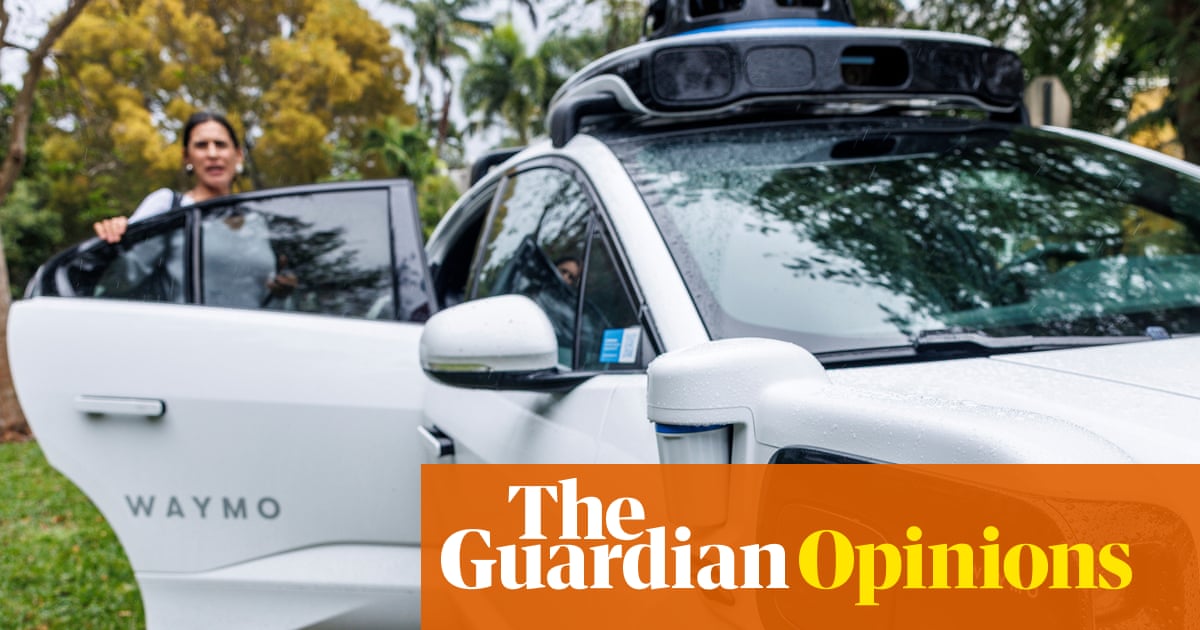
Late-19th-century cities faced severe manure pollution from widespread horse transport, creating demand for mechanised vehicles. Early car promoters promised cleaner, safer, and less congested streets, but motor vehicles later produced large harms alongside benefits. By the end of the 20th century cars and motorbikes caused over a million deaths annually worldwide and contributed to pollution and suburban sprawl. In the US, car dominance resulted from active industry lobbying that removed public transport, banned jaywalking, and redesigned streets. Current plans for self-driving cars, championed by companies like Waymo, present potential safety and cost benefits while raising cautionary parallels with past transport shifts.
Read at www.theguardian.com
Unable to calculate read time
Collection
[
|
...
]