#camera-based-perception
#camera-based-perception
[ follow ]
#ai #meta #technology #artificial-intelligence #facial-recognition #robotics #ai-technology #computer-vision
fromFuturism
1 day agoRobot Dogs Patrolling Precious Crops as Food Crisis Deepens
Bayer is supplementing human security patrols around its 8,000 acre Hawaiian corn farm with robotic security dogs, supplied by the tech firm Asylon. The Asylon dogs are meant to guard the company's precious maize from vandals, wildfires, wild fauna, and other hazards around the clock.
Agriculture
Education
fromThe Village Voice
1 day agoThe Builder Who Never Stopped: From a Childhood Website to Four Companies and the Future of Autonomous AI - The Village Voice
Mateusz Kelner is a young software engineer who has achieved significant milestones in technology and entrepreneurship before turning twenty.
#robotics
Artificial intelligence
fromTechCrunch
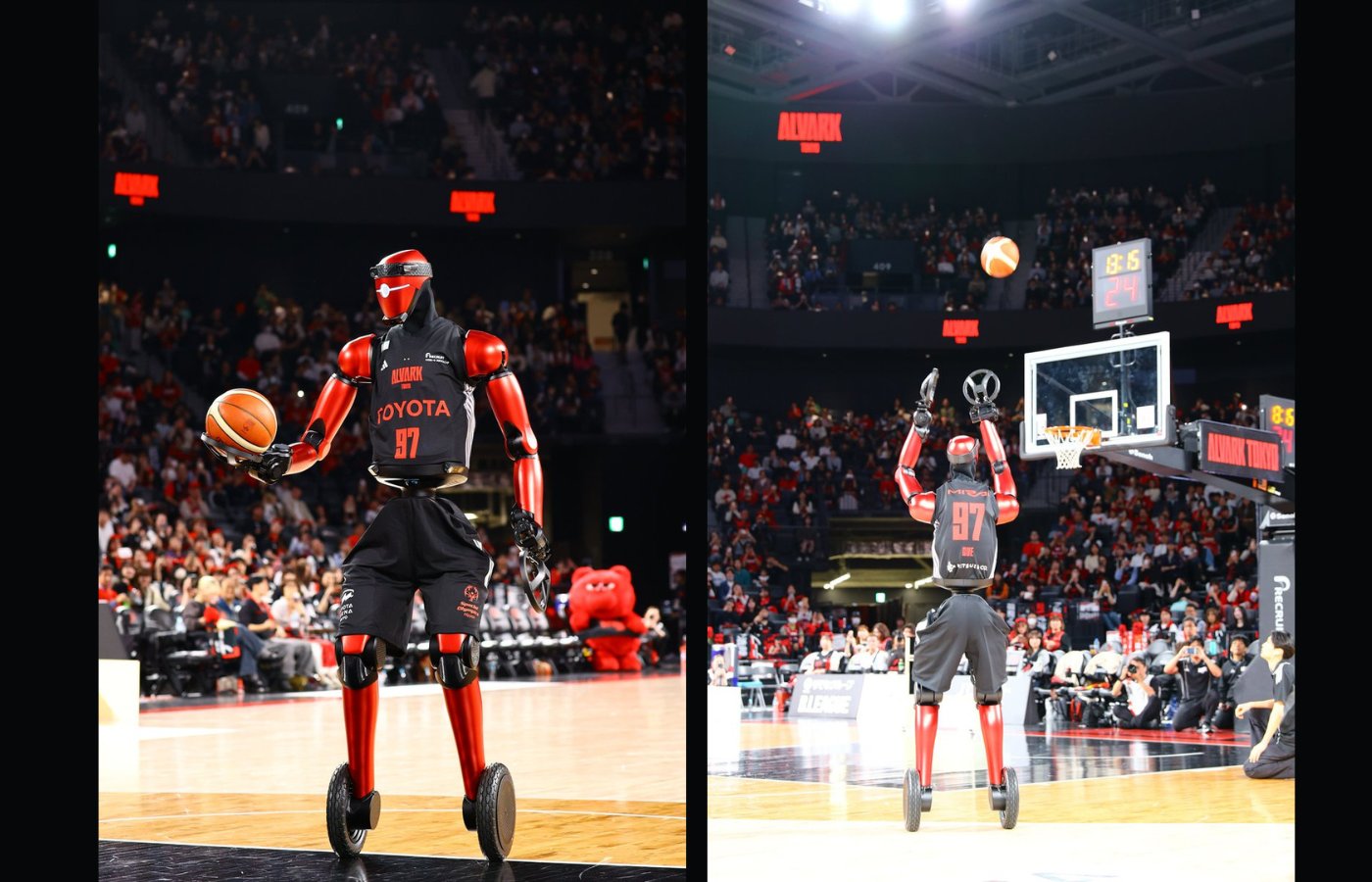
2 days agoPhysical Intelligence, a hot robotics startup, says its new robot brain can figure out tasks it was never taught | TechCrunch
Physical Intelligence's π0.7 model enables robots to perform unfamiliar tasks through compositional generalization, marking a significant advancement in robotic AI capabilities.
Artificial intelligence
fromTechCrunch
2 days agoPhysical Intelligence, a hot robotics startup, says its new robot brain can figure out tasks it was never taught | TechCrunch
Physical Intelligence's π0.7 model enables robots to perform unfamiliar tasks through compositional generalization, marking a significant advancement in robotic AI capabilities.



Photography
fromYanko Design - Modern Industrial Design News
6 days agoThis minimal AI camera blends into the wild while quietly tracking wildlife - Yanko Design
A minimal AI camera concept enhances wildlife observation by integrating intelligence into the environment, reducing human interference and improving monitoring accuracy.


fromFuturism
5 days agoVideo Shows Humanoid Robot Chasing a Pack of Wild Boars
A customized Unitree G1 robot can be seen chasing a small flock of wild boars through an empty car parking lot in Warsaw, Poland. The widely disseminated footage shows the robot jogging across a small patch of grass while chasing down the wild animals, only to raise its fist in the air in frustration after they successfully get away.
Pets
fromComputerWeekly.com
5 days agoQualcomm expands strategic advanced driver assistance systems, immersive eyewear collaborations | Computer Weekly
Qualcomm is helping address one of the auto industry's most pressing needs - scaling intelligent vehicle technology to meet growing consumer demand for vehicles that are automated, connected and highly personalised.
European startups
Online learning
fromeLearning Industry
4 days agoRethinking Education With AI: Create More Engaging Learning Experiences With AI-Powered Learning Design
AI can enhance learning design by personalizing experiences and improving relevance, but risks of generic content and diminished critical thinking remain.




fromBusiness Insider
3 weeks agoWhy fully self-driving cars are almost impossible
Despite significant investments and technological advancements, the reality is that no vehicle currently operating on public roads can be classified as fully autonomous. The complexities of real-world driving conditions present insurmountable challenges.
Cars
fromTechCrunch
1 month agoMemories.ai is building the visual memory layer for wearables and robotics | TechCrunch
AI is already doing really well in the digital world, what about the physical world? AI wearables, robotics need memories as well. ... Ultimately, you need AI to have visual memories. We believe in that future.
Wearables
Python
fromPyImageSearch
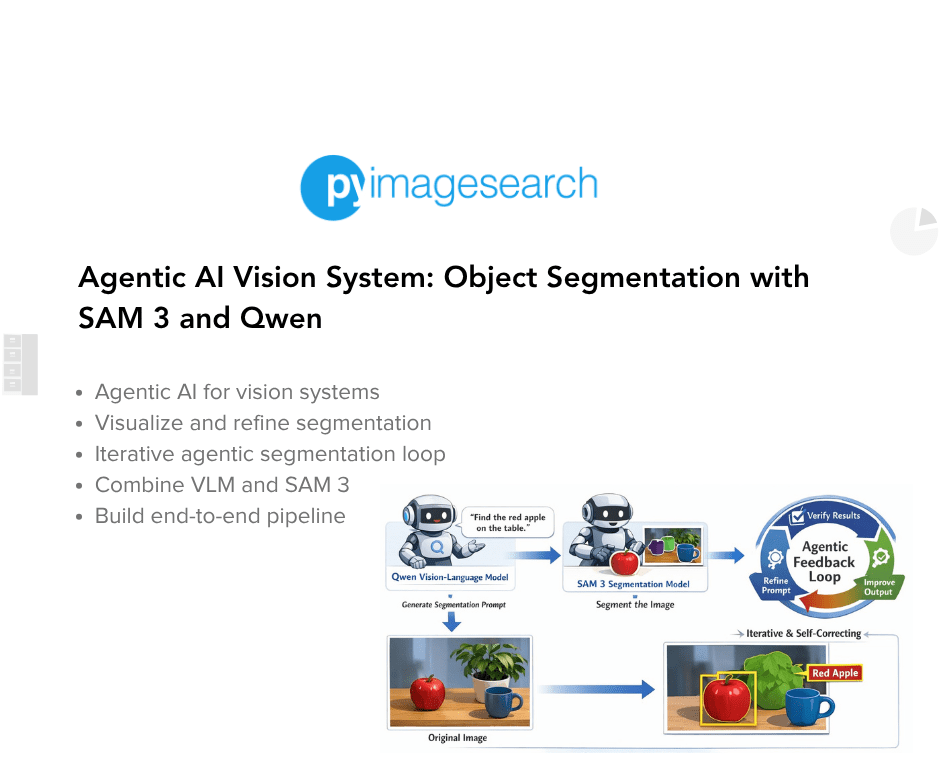
1 month agoSAM 3 for Video: Concept-Aware Segmentation and Object Tracking - PyImageSearch
SAM3 extends beyond static image segmentation to video by maintaining streaming memory and tracking state, enabling unified detection, segmentation, and tracking across frames while preserving object identity over time.
fromMedium
2 months agoWhy Does Using AI Feel Like Cheating when It's Actually Like Google Maps?
AI, like Google Maps, provides the "prediction" of the best route, but the "judgement" of the destination remains with the driver (Author x Gemini) Yet when it comes to using AI for decisions, I see people paralysed by exactly these fears. This ranges from choosing what to study to planning a career move to even planning an article. "Is this cheating?" "Will I lose my critical thinking skills?" or "Am I even thinking for myself anymore?"
Artificial intelligence
fromwww.scientificamerican.com
1 month agoHow LabOS AI-powered smart goggles could reduce human error in science
Laboratory safety goggles have finally joined the ranks of smart devices. That's the promise behind LabOS, an AI operating system for scientific laboratories built by the Stanford-Princeton AI Coscientist Team, a group led by Stanford University bioengineer Le Cong and Princeton University computer scientist Mengdi Wang, with founding partners that include NVIDIA. Powered by NVIDIA's vision-language models to process visual data, the system is designed to provide AI with real-time knowledge of lab work so it can determine what causes experiments to fail or succeed and rapidly train new scientists to expert levels by guiding them through experimental protocols.
Artificial intelligence
[ Load more ]