Coronavirus
fromThe Nation
1 day agoI Was Treated for Tuberculosis While Millions Were Robbed of Care
Immunosuppressant medication increases the risk of infections, leading to a positive tuberculosis test after years of negative results.
The Trump-era patronage system has affected us all, by so often thrusting inexperienced randos with obvious political mandates into important positions that have previously always been occupied by career civil servants or specialized leaders.
GOARN, which includes more than 310 national public health agencies, United Nations agencies, academic institutions, and nongovernmental groups, helps identify and manage infectious disease outbreaks worldwide. Since it was established in 2000, GOARN says it has helped manage more than 175 global health emergencies across 114 countries.
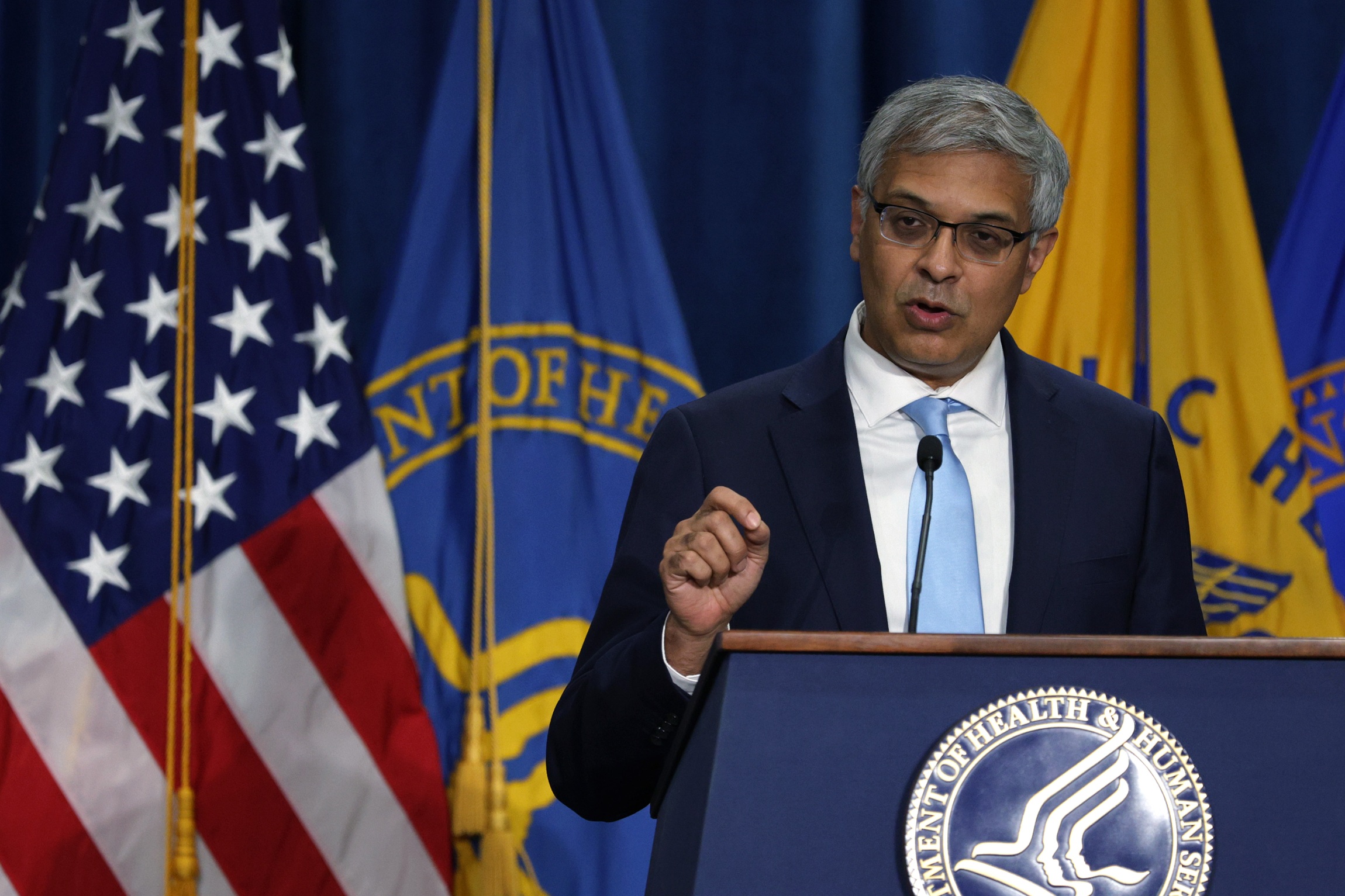
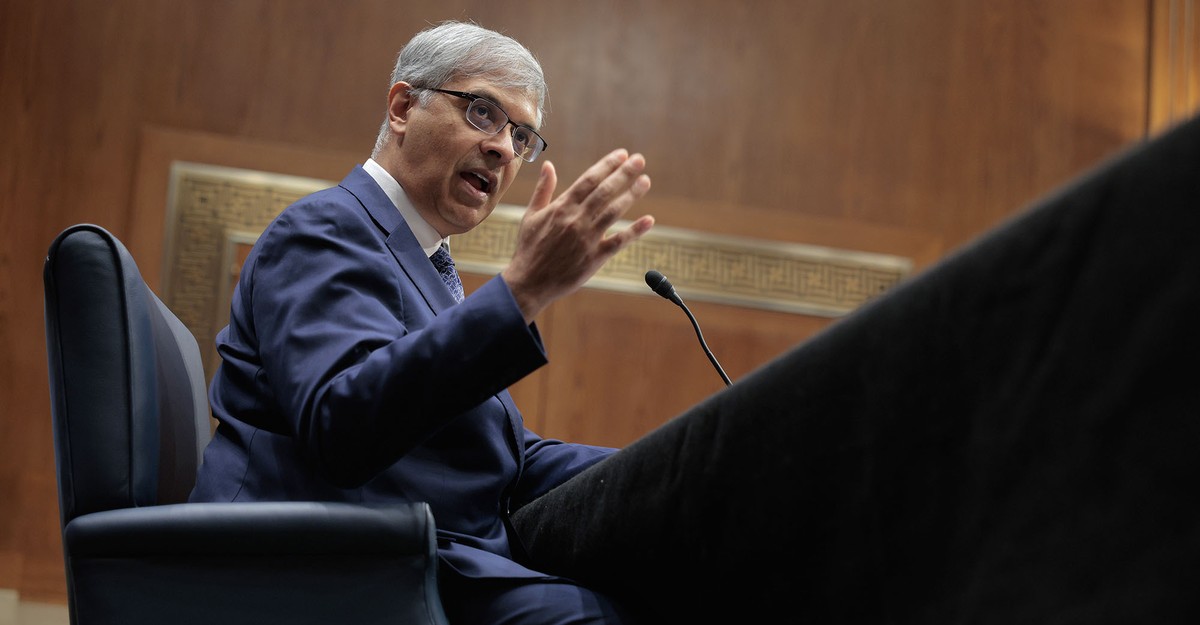
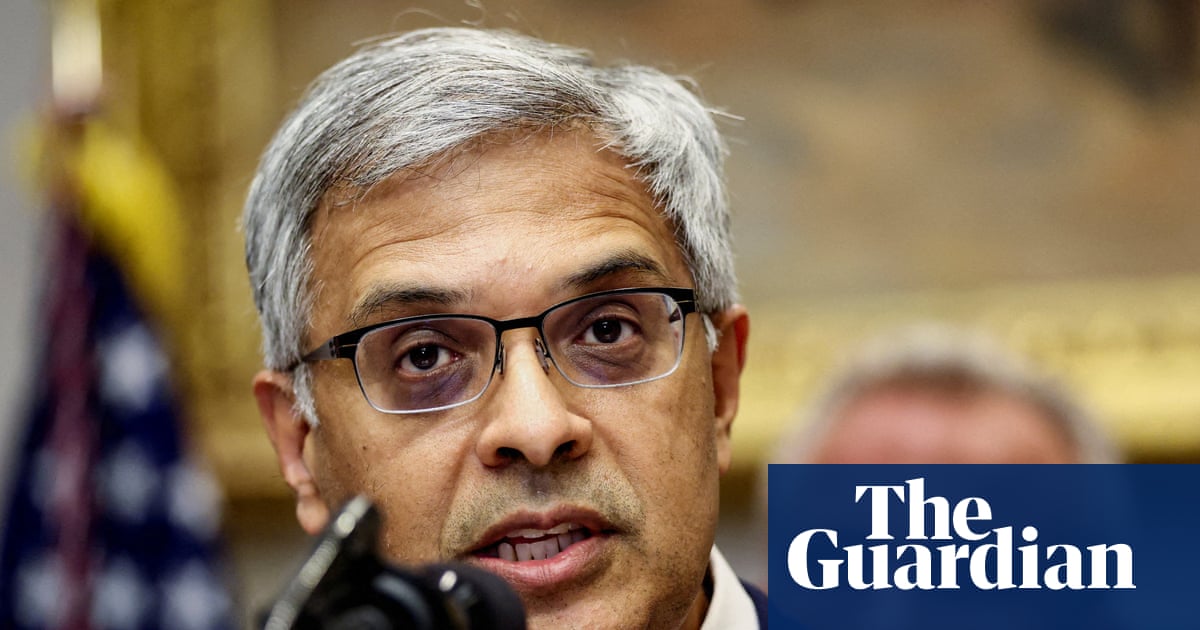
At the end of January, Washington, DC, saw an extremely unusual event. The MAHA Institute, which was set up to advocate for some of the most profoundly unscientific ideas of our time, hosted leaders of the best-funded scientific organization on the planet, the National Institutes of Health. Instead of a hostile reception, however, Jay Bhattacharya, the head of the NIH, was greeted as a hero by the audience, receiving a partial standing ovation when he rose to speak.
If you're based in the United States, you've probably gotten used to government bodies issuing nationwide alerts - including ones that relate to public health. These have, historically, been good ways for health-conscious people to know what to look out for and for regional public health experts to develop strategies to help keep potential outbreaks contained.Unfortunately, now both individuals and institutions are reckoning with a big question: what to do when those warnings are much smaller in number?
Each day, they pore over reams of data about how the virus is evolving worldwide, how well last year's shot performed, and which strains might be easiest to mass produce for a vaccine. The meeting, convened by the World Health Organization twice a year, is a critical moment for the WHO's Global Influenza Surveillance and Response System.
After decades of American children routinely receiving polio vaccines, the virus that had doomed many to paralysis was nearly eliminated in the United States. But vaccine avoidance today may allow the crippling disease to return. CBS News chief medical correspondent Dr. Jonathan LaPook talks with David Oshinsky, author of "Polio: An American Story," and with violin virtuoso Itzhak Perlman, who contracted polio as a child, about how parents opting out of vaccinations for their children could affect polio rates here.