#chile-farming
#chile-farming
[ follow ]
#architecture #argentina #climate-change #patagonia #mining #wildfires #travel #south-america #skiing #chile #andes

Travel
fromwww.businessinsider.com
2 days agoI spent 10 weeks backpacking through South America. Here are the 4 places I'd visit again in a heartbeat.
Traveling through South America revealed unforgettable experiences in cities like Buenos Aires and Ushuaia, each offering unique attractions and memories.

fromSnowBrains
2 days agoSnowBrains Forecast: Light High-Elevation Snow for South America Through Tuesday - SnowBrains
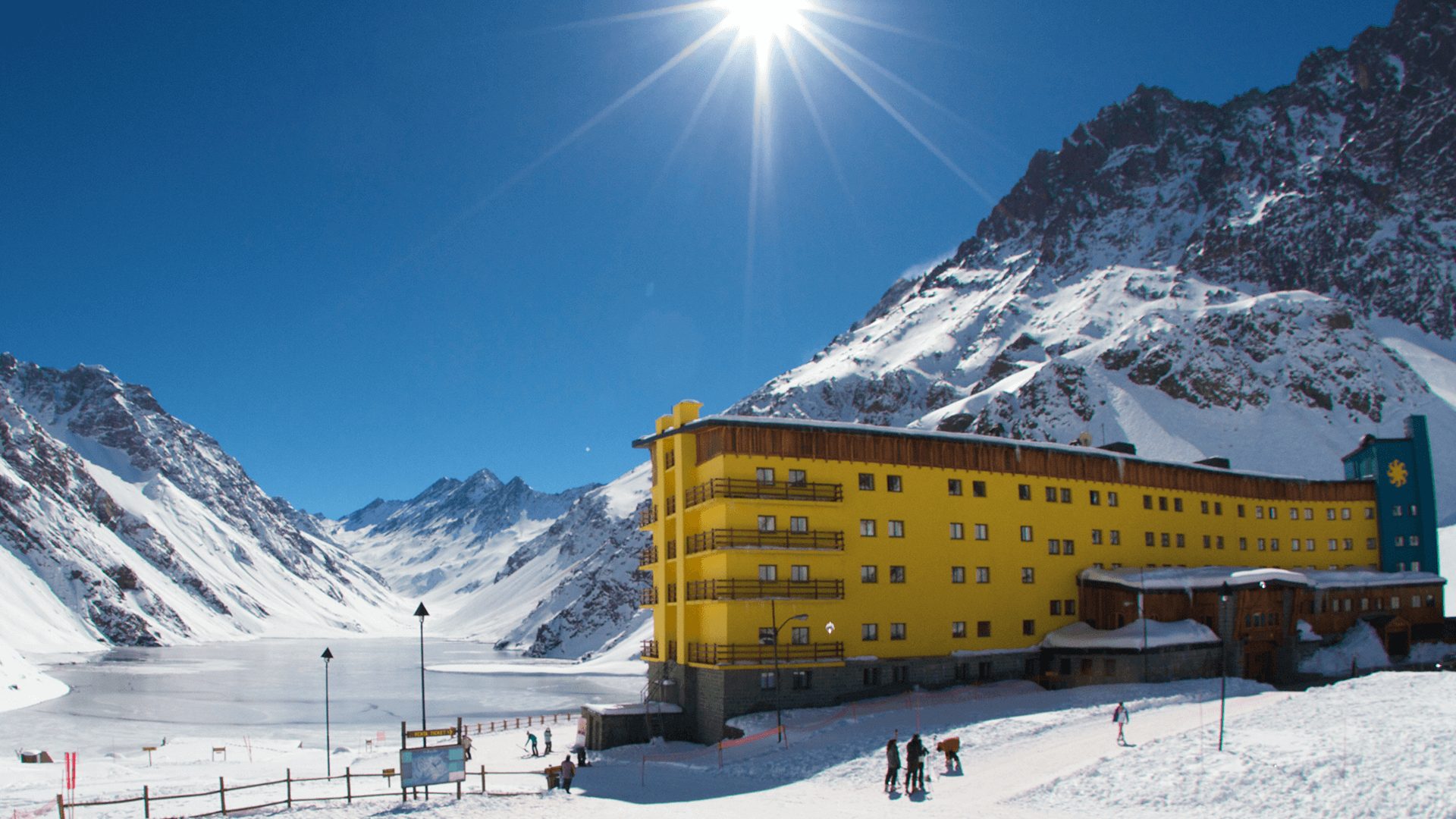
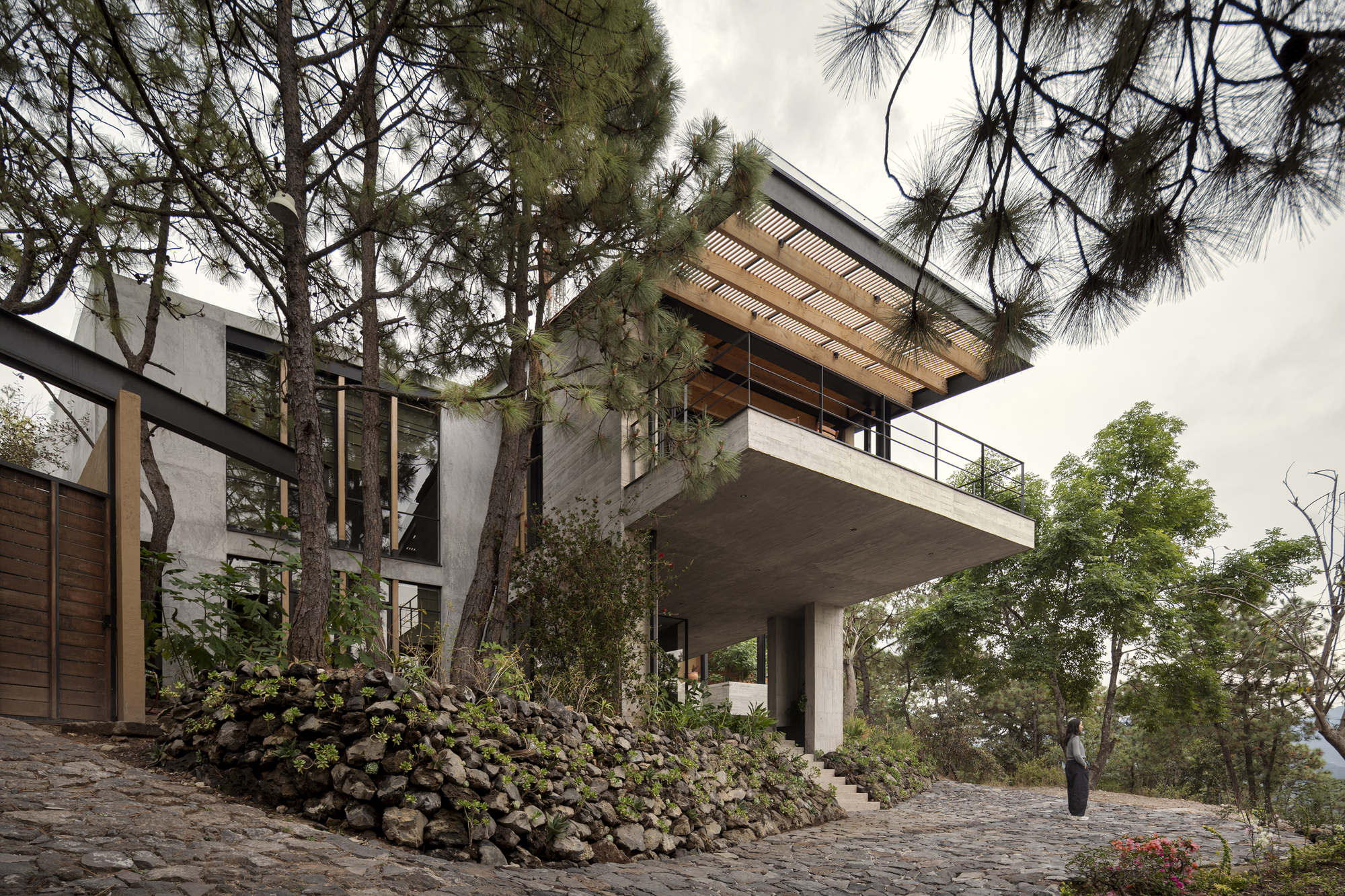
The ongoing Sunday night into Monday storm across the central Andes keeps producing mainly upper-mountain snow through Monday before tapering out by Tuesday morning, April 21. A realistic near-term outcome is about 16-20 cm at Las Leñas, 9-11 cm at Valle Nevado, and lighter 5-8 cm amounts around El Colorado, La Parva, and Portillo.
Snowboarding



Travel
fromTravel + Leisure
3 weeks agoThis Scenic Lakeside Town Was Named the Most Welcoming Destination in South America-and It Has Andes Views and Year-round Outdoor Adventure
San Martín de los Andes is recognized as the most welcoming destination in South America and ranks third worldwide according to Booking.com's Traveller Review Awards.
Food & drink
fromPortland Monthly
1 month agoOregon Alternatives to Italian Products
Trump administration tariffs on Italian imports threaten to increase prices and availability of traditional Italian foods like pasta, olive oil, cheese, and wine, while Oregon producers offer high-quality local alternatives inspired by Italian culinary traditions.
fromwww.theguardian.com
1 month agoKast is more like Trump': Chile's environmentalists prepare to do battle for the country's future
The highlands are the sustenance of life, and all that water comes down from the mountains to the valleys, such as Azapa and Lluta and to the coast. The city of Arica is on the coast. So, we have a very serious problem. We will not have water—not for agriculture, not for livestock, not for tourism.
Miscellaneous
Arts
fromThe Art Newspaper - International art news and events
1 month agoNew Chilean president reverses predecessor's policies, cutting culture budget
Chile's new president José Antonio Kast implemented immediate 3% budget cuts across all ministries, with culture funding facing uncertainty despite previous administration's significant increases.
World politics
fromenglish.elpais.com
1 month agoChile begins its most conservative era with Kast's emergency government'
Jose Antonio Kast became Chile's most right-wing president since democracy's return in 1990, reviving Pinochet-era symbols like the embroidered presidential sash and swearing religious oaths instead of formal promises.
Madrid food
fromBOOOOOOOM!
1 month ago"When the Desert Breathes Again" by Photographer Gonzalo Palaveccino
Photographer Gonzalo Palavecino documents La Tirana, Chile's largest religious festival, focusing on behind-the-scenes elements like food stands, abandoned objects, and improvised structures that reveal the sacred blending with everyday chaos and commerce.
Environment
fromwww.aljazeera.com
1 month agoChile's President Kast tosses out dozens of environmental protections
Chile's new President Jose Antonio Kast suspended 43 environmental regulations covering emissions, pollution, and national parks to prioritize economic growth and job creation over environmental protections.
Wine
fromFortune
1 month agoArgentines once drank 90 liters of wine a year. Now they're down to 15 - and 1,100 vineyards have already closed | Fortune
Argentina's wine industry faces its worst crisis in 15 years due to plummeting domestic consumption, declining exports, and crop failures, despite cultural celebrations continuing.
fromwww.aljazeera.com
2 months ago'A big crisis'
On November 28, with just weeks remaining until the run-off in Chile's presidential election, far-right candidate Jose Antonio Kast issued a warning. "To the irregular immigrants in Chile," he said, "I tell you that 103 days remain for you to leave our country voluntarily." Kast ultimately won the election and is expected to be sworn in on March 11. But so far, in the highlands of Chile's most northerly region, the immigrant exodus that some expected has not occurred.
World news
Snowboarding
fromUnofficial Networks
1 month agoThis Chilean Ski Resort is a Summer Skiing Oasis For The Ikon Pass
Ikon Pass holders can ski seven blackout-free days at Valle Nevado in Chile during Northern Hemisphere summer, extending their ski season with world-class above-treeline terrain in the Andes.
Wine
fromwww.independent.co.uk
1 month agoFears for the future of Argentina's wine industry as figures hit a record low
Argentina's wine industry faces its worst crisis in 15 years, with domestic consumption dropping to historic lows, exports declining, and 1,100 vineyards closing despite the 90th National Wine Harvest Festival celebration.
fromwww.scientificamerican.com
2 months agoAstronomers have won the latest battle over dark skies, but the global conflict continues
Last week AES Andesa subsidiary of the AES Corporation, an American energy companyannounced it had scrapped its plans for a sprawling, city-size renewable energy project in Chile's Atacama Desert. The Atacama offers some of the world's darkest, clearest skieswhich is why it also hosts several of Earth's most important ground-based telescopes, including those of the European Southern Observatory's (ESO's) Paranal Observatory, which could've been within a mere five kilometers of the green-energy facility, according to earlier plans.
Science
fromSnowBrains
1 month agoSnowBrains Forecast: 10-20 cm in the Southern Andes of South America Early This Week - SnowBrains
Confidence is highest from Monday afternoon, March 16, through Tuesday afternoon, March 17, when southern Chile and the northern Patagonian Andes should see the steadiest snowfall. After that, Tuesday night through Thursday trends drier for most resorts, and the next push into the central Andes near Santiago looks more modest, more elevation-dependent, and less certain on amounts.
Snowboarding
Miscellaneous
fromCalifornia Post
1 month agoWhat crisis? Napa Valley finds unique way to fight back as wineries wither
Luxury wine experiences in California now focus on exclusive, immersive storytelling that transforms visitors into lifelong customers through private access and personal connections with winemaking families.
fromwww.theguardian.com
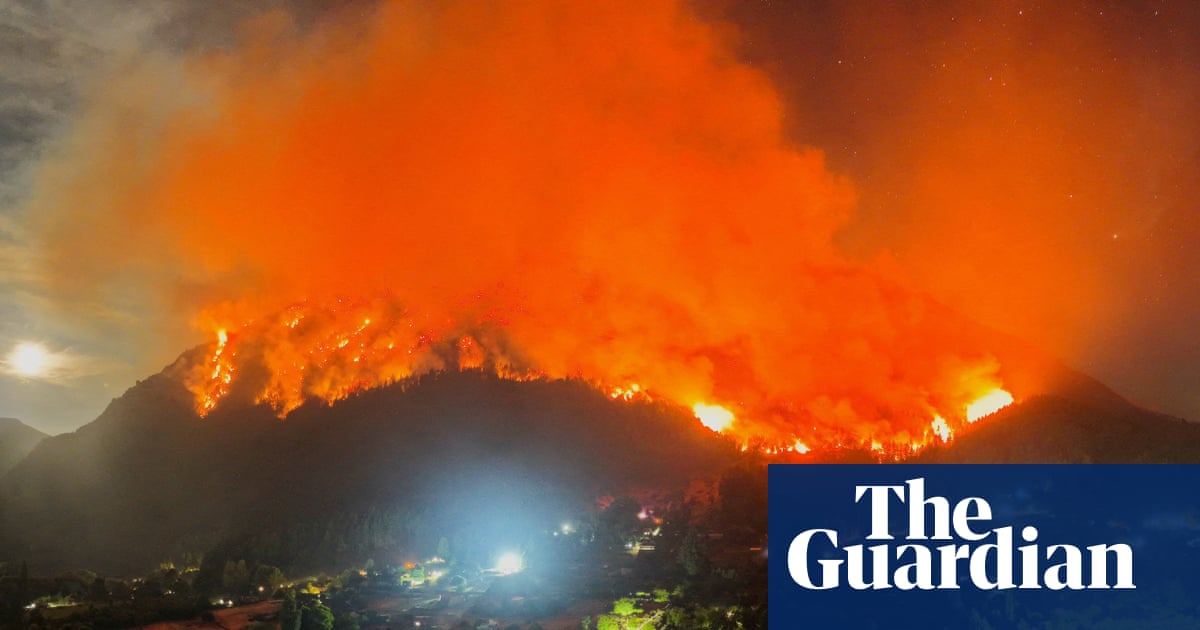
2 months agoSome of world's oldest trees hit by climate-fuelled wildfires in Patagonia
The hot, dry and windy conditions that enabled the fires to blaze across huge areas in January were made about three times more likely by global heating, researchers from the World Weather Attribution (WWA) consortium found. Parts of Chile and Argentina are experiencing significantly drier summers as a result of human-caused carbon emissions, with rainfall now 25% lower in early summer in Chile and 20% lower in the affected region of Patagonia.
Environment


Wine
fromElite Traveler
1 month agoInside Chile's Golden Valley Estate Crowned the World's Best Vineyard
Vik winery in Chile's Millahue Valley ranks number one globally, producing premium wines through hand-harvested grapes, native yeast fermentation, and innovative aging methods including underground clay amphorae.
Snowboarding
fromSnowBrains
2 months agoGuide to Skiing Valle Nevado: The Best Basecamp for Skiing in Chile - SnowBrains
Valle Nevado in Chile offers Southern Hemisphere skiing with large terrain, pass partnerships, proximity to Santiago, combined resort access, and varied lift and backcountry options.
fromPUNCH
2 months agoIt's Not Easy Being Green
the Strengthening Organic Enforcement (SOE) rules, set by the USDA, declared that importers-that's right, the firms that typically handle sales and logistics, not just the winemakers- also need to be certified organic in order for the wines to retain the label. According to a spokesperson from the USDA, the regulations are an effort to "better protect organic businesses and consumers" and "keep fraud out of the market."
Agriculture
[ Load more ]