Agriculture
fromModern Farmer
44 minutes agoHow to Kill Winter Crops Without Losing Soil Gains
Proper timing and method for terminating cover crops are crucial for maximizing soil biomass and ensuring successful subsequent crop growth.
Rather than representing a simple return to the past, this renewed interest reflects a broader reconsideration of how architecture engages with materials, local resources, and environmental conditions.
The avocado seedlings enabled him to grow his farm income to close to 2m Kenyan shillings, with each mature avocado tree yielding 70kg annually. Improving farming methods and conserving the watershed has helped me to feed and educate my six children.
Starting plants from seed extends your relationship with the garden, gives you more control over seed sourcing, and saves real money compared to buying nursery starts, sometimes as much as 90% per plant.
"So whenever people think about hot weather, they always talk about the temperature," he says. "There's two issues with that. First of all, most people don't realise that the temperature is measured in the shade. So if you're in direct solar radiation, the amount of heat stress you're exposed to is much greater as it will stress your body out a lot more."
In Turkana, the land is rugged, roads disappear into dust, and villages are scattered across vast distances in a county of just more than a million people. Despite it being the rainy season, weather experts warn that Turkana and other arid regions may receive little relief. Authorities say drought is once again taking place, with 23 of Kenya's 47 counties affected.
Covering Climate Now was formed in 2019 in response to the climate silence that then prevailed in much of the press, especially in the United States. Over the years that followed, hundreds of newsrooms joined our effort, and press coverage of the story began to reflect the scale of the crisis. Newsrooms beefed up their climate reporting teams; they confronted misinformation that sought to play down the problem; they thought creatively about how to find the climate connection on every beat.
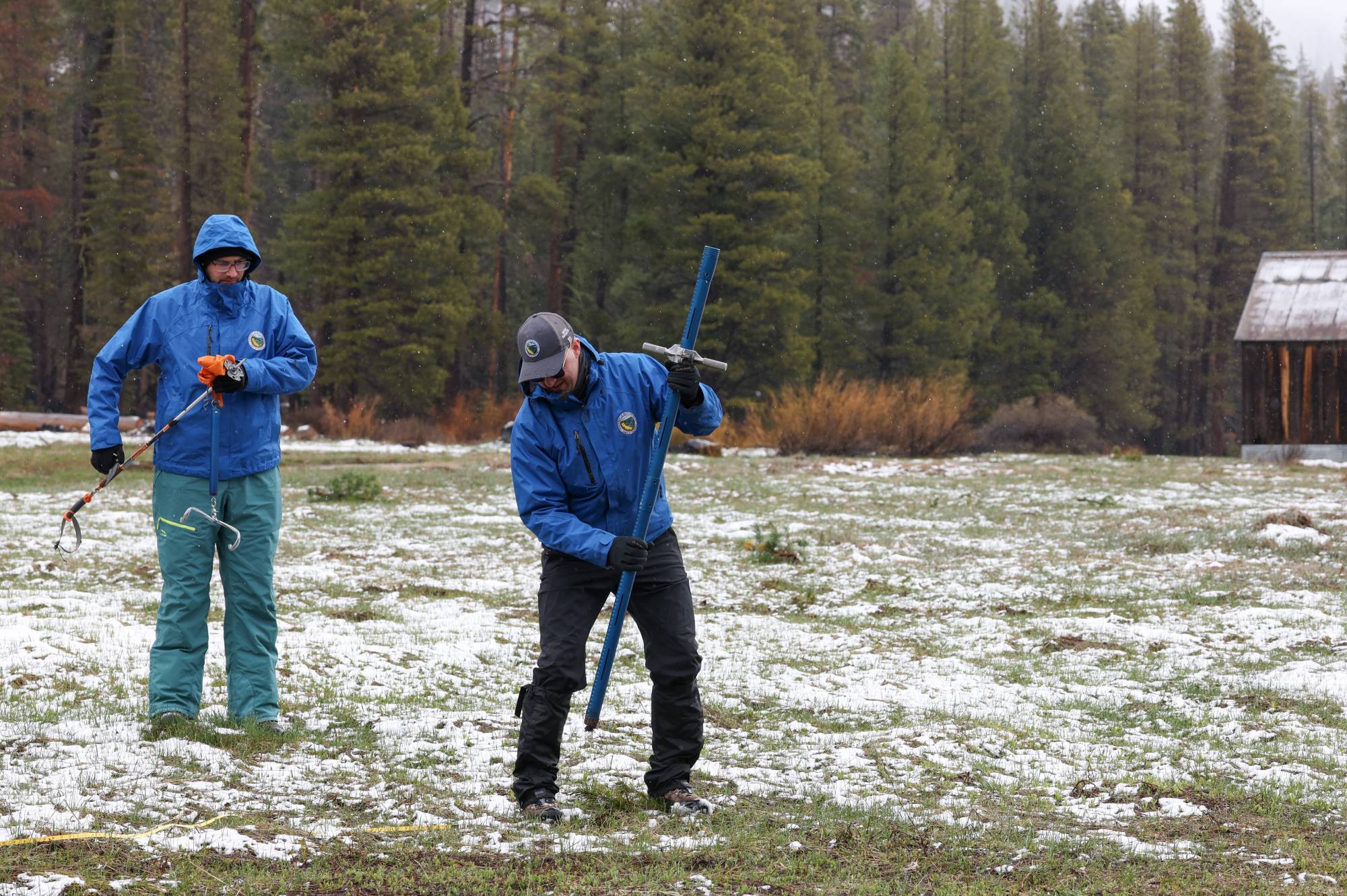
The Colorado River is an interconnected system, sustained by Rocky Mountain snowpack, rainfall and groundwater. It is fragile, and under increasing stress. Two and a half decades into this century, the river that built the modern West has 20% less water flowing through it than it did on average in the last century. As heat and drought intensify, so do the stakes: Failure to recognize the severity of changing conditions, managing the river in parts without considering needs of the whole and inadequate planning for long-term shortages put the future of all the basin at risk.
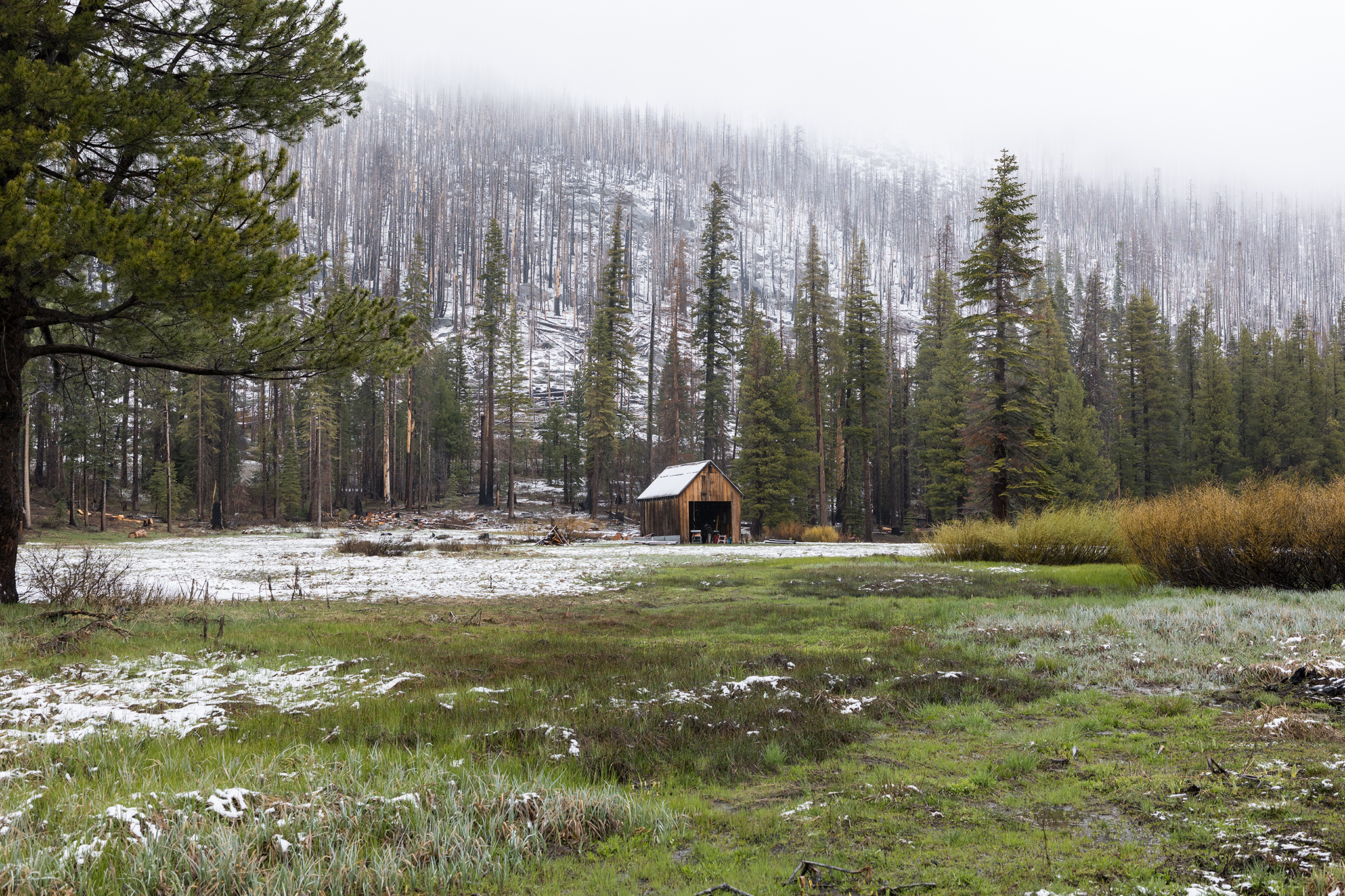
After experiencing one of the wettest holiday seasons on record, still soggy California hit a major milestone this week - having zero areas of abnormal dryness for the first time in 25 years. This data, collected by the U.S. Drought Monitor, is a welcome nugget of news for Golden State residents, who in the last 15 years alone have lived through two of the worst droughts on record, the worst wildfire seasons on record and the most destructive wildfires ever.
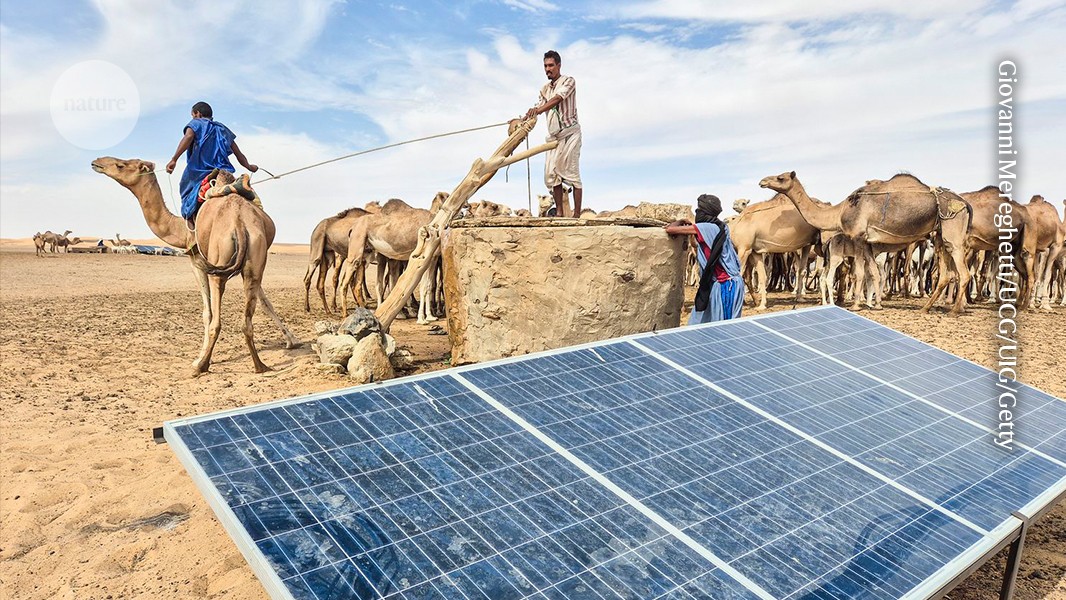
Clean energy technologies have become more affordable around the world. Yet for many countries in the Global South, the cost of transitioning to a low-carbon economy remains disproportionately high. But not because the equipment is more expensive: in fact, solar and wind components are often imported at comparable prices around the world, as global manufacturing scale and trade have helped standardize hardware costs. Instead, the disparities in financing costs reflect the way the global financial system fails to adequately capture, differentiate and price risk.