#clinical-trials
#clinical-trials
[ follow ]
#alzheimers-disease #gene-therapy #immunotherapy #biotech #drug-development #glp-1-drugs #semaglutide #alzheimers






EU data protection
fromData Matters Privacy Blog
5 days agoEuropean Biotech Act I: Navigating the EDPB/EDPS Vision for the Future of Clinical Trials | Data Matters Privacy Blog
The EDPB and EDPS support the Biotech Act but stress the need for stronger data protection, especially regarding health data in clinical trials.

#prostate-cancer
Cancer
fromIrish Independent
1 week agoProstate cancer patients could be spared worst radiotherapy side-effects as new clinical trial gets under way
The INSPIRE trial aims to reduce urinary side-effects in prostate cancer treatment while examining bowel and sexual side-effects using advanced radiotherapy techniques.
#gene-therapy

Medicine
fromNews Center
1 month agoFirst Gene Regulation Clinical Trials for Epilepsy Show Promising Results - News Center
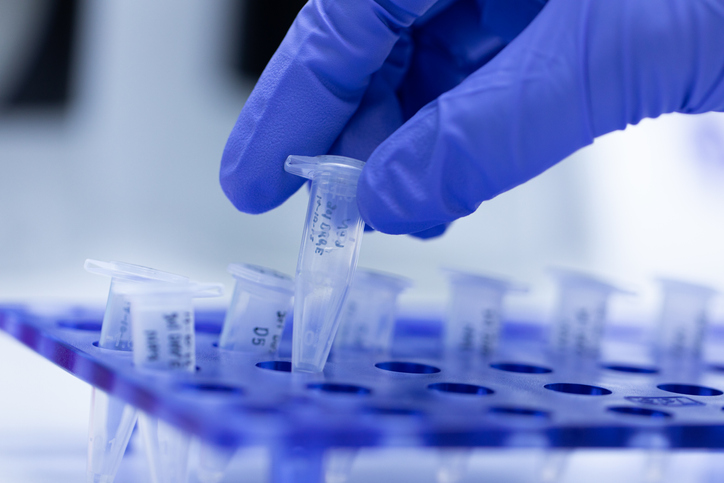
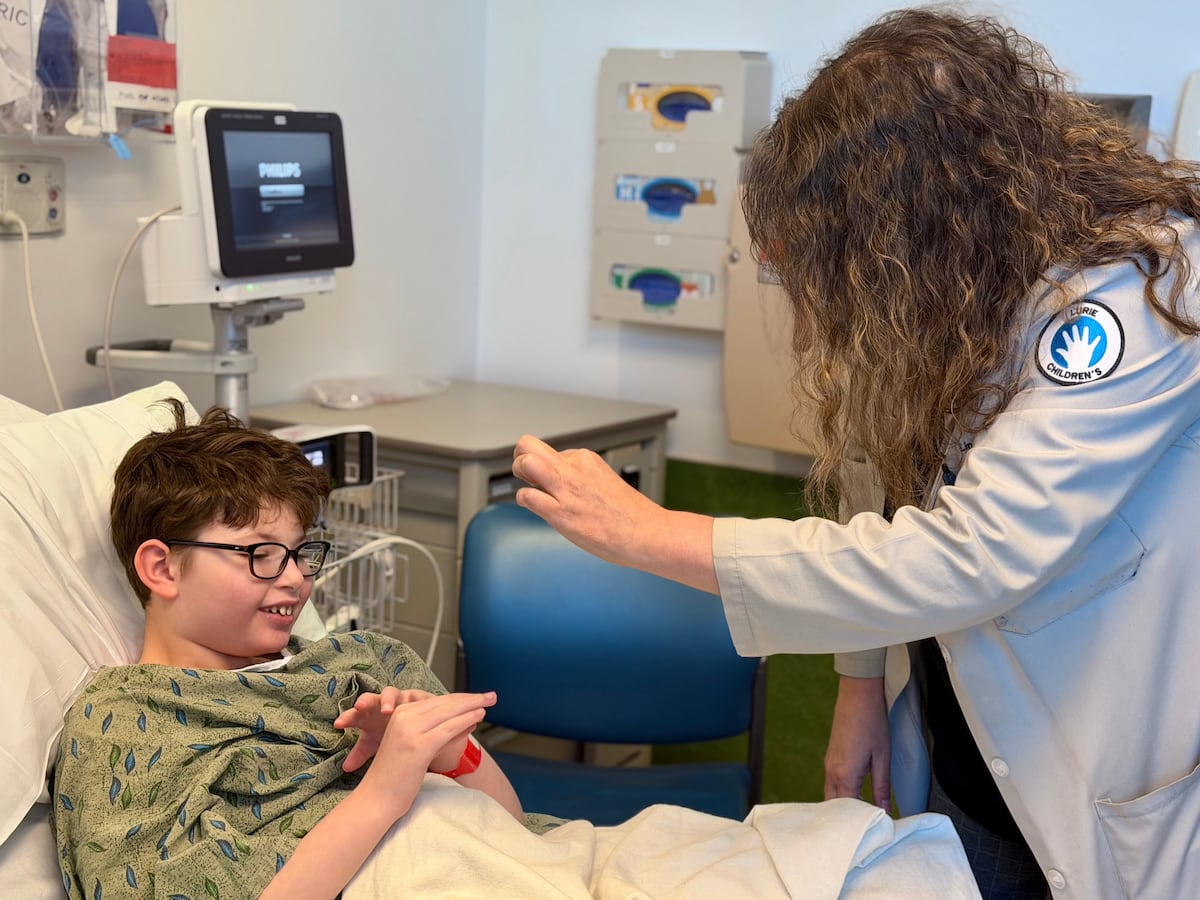
Zorevunersen, a gene-regulation therapy, demonstrates safety and effectiveness in reducing seizures and improving developmental outcomes in Dravet syndrome patients by targeting the underlying genetic cause.

fromComputerWeekly.com
2 weeks agoNovo Nordisk partners with OpenAI to AI-power drug development | Computer Weekly
Novo Nordisk plans to deploy advanced artificial intelligence capabilities to analyze complex datasets, identify promising drug candidates, and reduce the time required to move from research to patient.
Medicine
fromwww.theguardian.com
3 weeks agoRepurposed drug may extend survival in aggressive ovarian cancer, trial shows
The study published in the Lancet analyzed data from 381 patients with platinum-resistant ovarian cancer, revealing a 35% reduction in the risk of death among those treated with relacorilant compared to usual care.
Cancer

Medicine
fromwww.scientificamerican.com
1 month agoExperimental GLP-3 weight loss drug retatrutide shows promising results in clinical trial
Retatrutide, a triple-receptor GLP-3 agonist drug, achieved up to 36.6 pounds of average weight loss and improved blood sugar control in phase 3 clinical trials for type 2 diabetes.
#ai-agents


Artificial intelligence
fromTNW | Startups-Technology
1 month agoRivia raises 13M to bring agentic AI to clinical trials
Rivia raised €13 million to build AI agents that actively manage clinical trial operations by surfacing insights and flagging anomalies, advancing beyond traditional data storage systems.
fromwww.theguardian.com
1 month agoTaking multivitamin daily could help to slow biological ageing, study suggests
One theory is that by slowing the rate of biological ageing, it may be possible to prevent or mitigate age-related illness, meaning people have more years of good health. A study carried out by researchers in the US and including funding from the confectionery manufacturer Mars suggests a daily multivitamin could help slow some markers of biological ageing – although what that means in terms of health remains unclear.
Health
fromThe New Yorker
2 months agoThe Evidence on Ozempic to Treat Addiction
Ozempic and other GLP-1 drugs have had a major impact in their short time on the market-currently, one in eight Americans say that they have been on GLP-1 drugs. As tens of millions of people take these medications, anecdotal evidence has emerged that they have a positive effect on alcohol abuse and drug addiction. Researchers are starting to run trials of the drugs for these purposes, and some speculate that GLP-1 drugs could even affect addiction behaviors such as gambling and online shopping.
Medicine
Medicine
fromLondon Business News | Londonlovesbusiness.com
2 months agoArmistice Capital increases bicycle therapeutics stake as company awaits regulatory feedback on lead drug candidate - London Business News | Londonlovesbusiness.com
Bicycle Therapeutics advanced zelenectide pevedotin development while investors increased positions ahead of upcoming regulatory feedback and pivotal trial readouts.
fromFast Company
3 months agoThe untapped business case for male contraception
For more than 60 years, contraception has been almost exclusively a women's responsibility. Today, women have more than 14 modern contraceptive options, while men have just two: condoms and vasectomies. That imbalance has pushed women to shoulder physical side effects, financial burden, medical risks, and the career impact of family planning-costs that have been accepted as the "status quo" for far too long.
Venture
fromNature
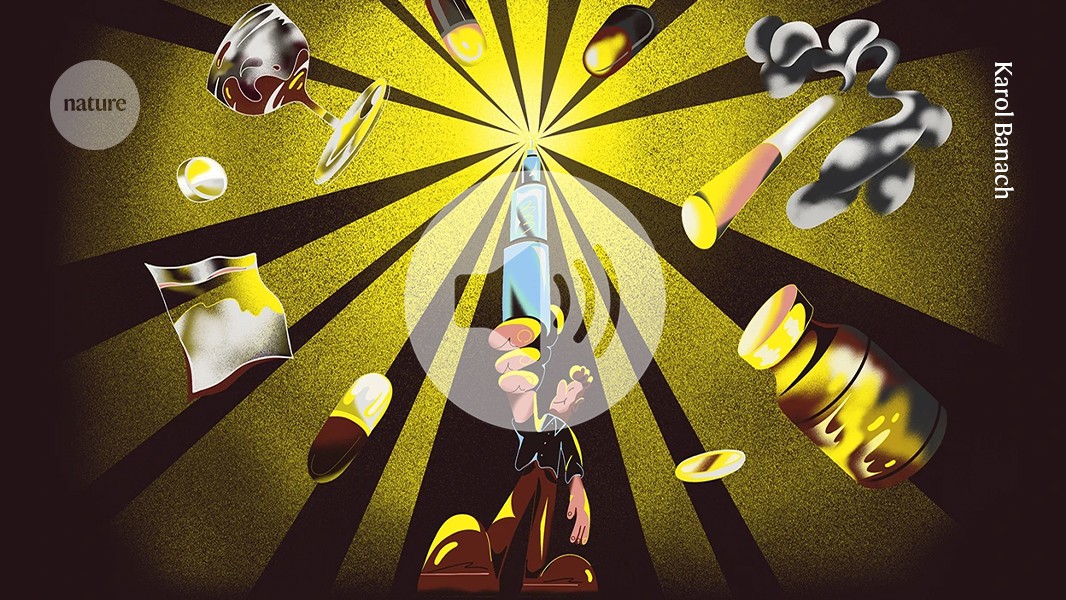
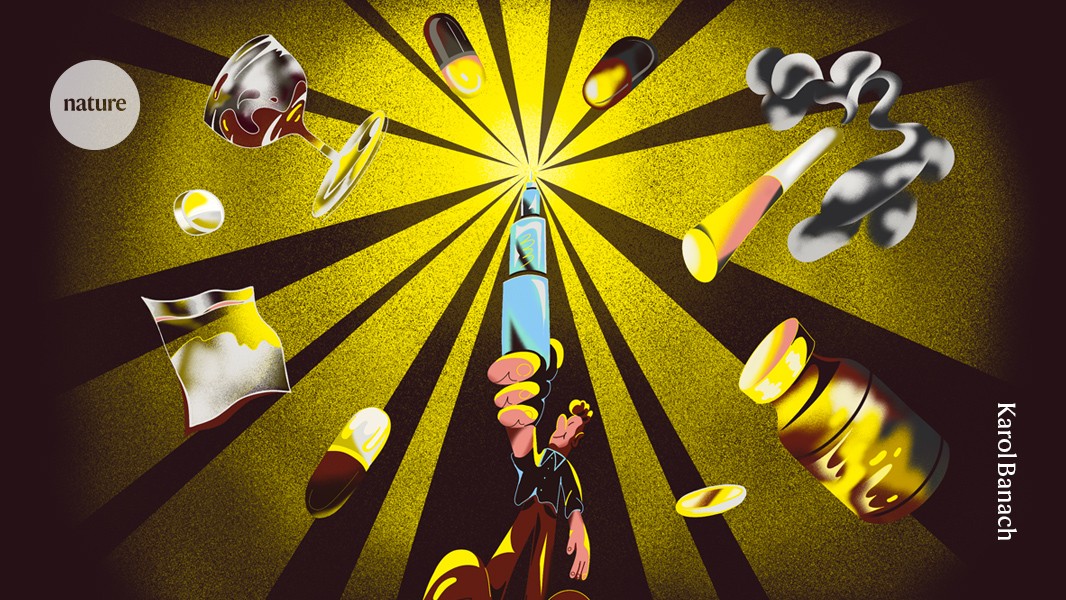
3 months agoWhy cancer can come back years later - and how to stop it
When Lisa Dutton was declared free of breast cancer in 2017, she took a moment to celebrate with family and friends, even though she knew her cancer journey might not be over. As many as one-third of people whose breast tumours are cleared see the disease come back, sometimes decades later. Many other cancers are known to recur in the years following an initial treatment, some at much higher rates.
Medicine
fromwww.theguardian.com
4 months agoUse of traditional medicine in mainstream healthcare needs to be evidence-based | Letter
However, it is regrettable that an organisation such as the World Health Organization appears willing to promote the incorporation of traditional and other medicines into mainstream practice by leaning heavily on emotive language heritage, tradition, and the sharing of local resources rather than on clinical evidence. Then it appears to contradict itself by saying that it doesn't support it if there isn't robust and reliable evidence.
Yoga
fromLondon Business News | Londonlovesbusiness.com
5 months agoLondon trials: The business and patient impact - London Business News | Londonlovesbusiness.com
London's position as Europe's leading clinical research hub generates profound impacts extending far beyond laboratory walls and hospital wards. Hundreds of London trials running simultaneously create a sophisticated ecosystem connecting pharmaceutical companies, research institutions, healthcare providers, and most importantly, thousands of patients seeking access to innovative treatments whilst contributing to medical advancement. This ecosystem delivers tangible economic value whilst simultaneously addressing patient needs that conventional healthcare often cannot meet.
Miscellaneous


Medicine
fromwww.scientificamerican.com
5 months agoHalted NIH Clinical Trials List Reveals Slashed Treatments for Cancer, COVID and Minority Health
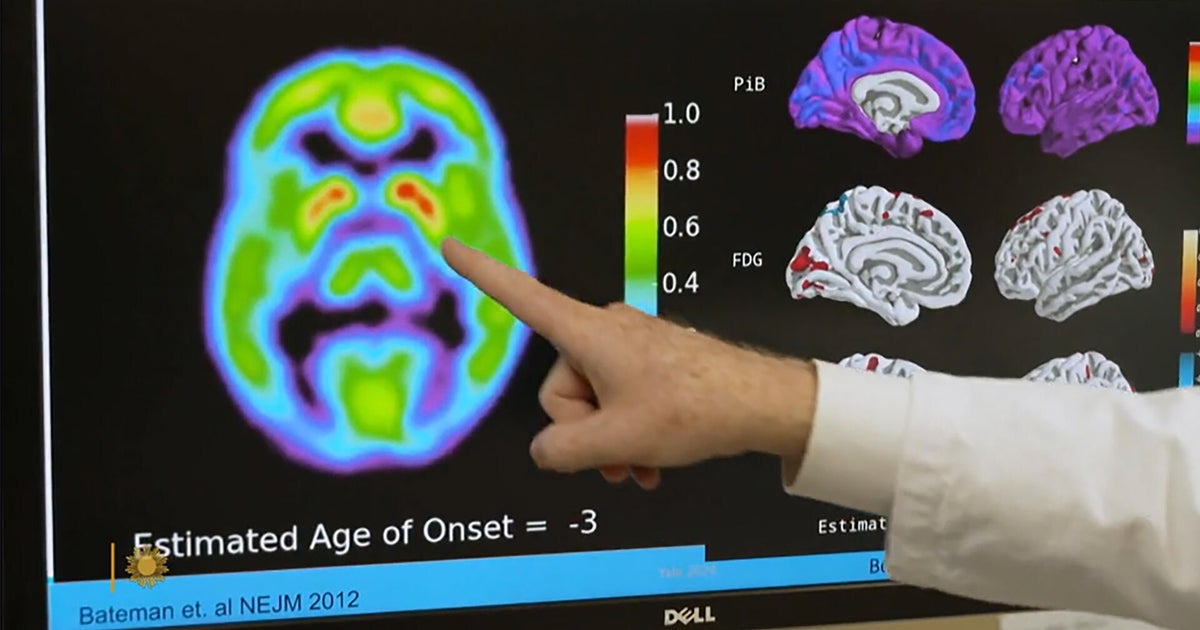
At least 383 NIH-funded clinical trials across diverse diseases were terminated since February, affecting about 74,000 participants and representing roughly 1 in 30 trials.
Cancer
fromwww.theguardian.com
5 months agoCancer Detectives: Finding the Cures review this vaccine documentary is so inspirational it'll make you weep
Advances in immune-system understanding enable development of vaccines to prevent cancers, with a 10-year pre-cancerous window offering intervention opportunities if clinical trials secure funding.
fromSFGATE
5 months agoBay Area biotech company declares bankruptcy, over $10 million in debts
The biotech company, which is headquartered in Milpitas, turned in a Chapter 7 filing, meaning that it seeks liquidation, rather than reorganization. The document is so sparse that it prompted a request from the court's deputy clerk for more information. But it depicts a company in dire straits: ASC Therapeutics estimates that it has between $100,000 and $500,000 in assets and between $10 million and $50 million in liabilities.
US news
fromwww.aljazeera.com
5 months agoCuban authorities battle wave of mosquito-borne illnesses
Cuba is battling a wave of mosquito-borne illnesses, with the country's top epidemiologist warning that nearly one-third of the population has been impacted, with large numbers of workers taken ill. On Thursday, fumigators armed with fogging machines probed alleys and crowded buildings in parts of the capital Havana, among the hardest hit by mosquito-borne viruses including dengue and chikungunya, authorities said.
Public health
Alternative medicine
fromAlternative Medicine Magazine
6 months agoUtiva Launches All-Natural Menopause Relief Supplement
Utiva Menopause Relief is a once-daily, non-hormonal, clinically supported plant-extract supplement that improves multiple common menopause symptoms including hot flashes and sleep.
fromNature
6 months agoPersonalized gene editing helped one baby: can it be rolled out widely?
The groundbreaking clinical trial, described on 31 October in the American Journal of Human Genetics, will deploy an offshoot of the CRISPR-Cas9 gene-editing technique called base editing, which allows scientists to make precise, single-letter changes to DNA sequences. The study is expected to begin next year, after its organizers spent months negotiating with US regulators over ways to simplify the convoluted path a gene-editing therapy normally has to take before it can enter trials.
Medicine


fromSocial Media Explorer
6 months agoA Doctor's Guide to Sharing Clinical Trial Breakthroughs on Social Media - Social Media Explorer
The announcement of a positive result from a major clinical trial is an incredibly exciting moment in the world of medicine. It's a validation of years of painstaking research, a potential new tool for doctors, and, most importantly, a powerful new source of hope for patients and their families. As a physician or a researcher, the desire to share this exciting news with the public is a natural one.
Medicine
fromsfist.com
6 months agoSam Altman-Backed SF Company Making Legal Ecstasy' Wins Approval to Conduct Clinical Trials
An SF-based biotech company is working on a safer, reformulated version of MDMA, better known as molly' or ecstasy,' and we're not tripping when we say they just won FDA approval to begin Phase 1 clinical trials. We have occasionally covered Bay Area medical research into MDMA, the street drug known as ecstasy or molly, and perhaps a little too enthusiastically at that.
Medicine
fromwww.scientificamerican.com
7 months agoHow Scientists Finally Found a Treatment that Slows Huntington's Disease
But last Wednesday was a day unlike any other. I cried with every single patient, Sung says. It just was this crazy feeling that, for the patients and families, almost can't feel real. That day the results of important phase 1/2 clinical trials had finally been released: an experimental gene therapy drug was the first treatment shown to slow the progression of Huntington's disease.
Medicine
fromwww.scientificamerican.com
7 months agoWhy Intermittent Fasting May Do More Harm Than Good
Recent headlines warning of concerns such as heart risks or danger to teenagers have put a new spotlight on a diet trend that has long been the popular epitome of a healthy lifestyle: intermittent fasting. Intermittent fasting's image has been deeply tarnishedand quite rightly so, says Stefan Kabisch, a physician at the endocrinology and metabolic medicine department at ChariteUniversity Medicine Berlin. The hype was never really backed up by good data in humans.
Science
fromwww.theguardian.com
7 months agoBritain is a terrible place' to sell medicines, says drug firm executive
We've still got the best universities, we've got some of the best scientists in the world, but it's not a good place to do the development work for medicines. It's an expensive place to operate, and it's a terrible place to sell medicines.
Medicine


[ Load more ]