#coronation-music
#coronation-music
[ follow ]



#king-charles-iii
Washington DC
fromLondon Business News | Londonlovesbusiness.com
3 weeks agoKing Charles accepts US President's state visit despite Trump telling UK 'you're on your own' - London Business News | Londonlovesbusiness.com
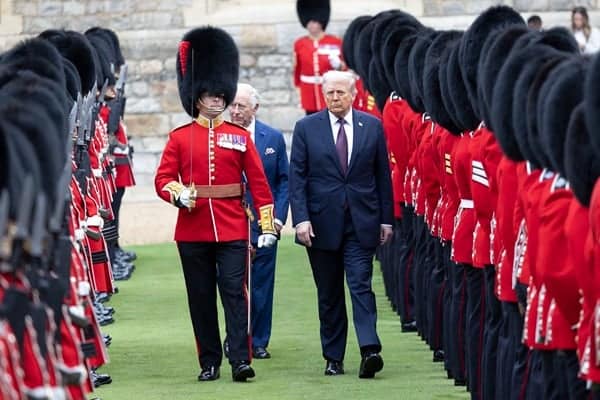
King Charles III and Queen Camilla will visit the U.S. in April to celebrate the 250th anniversary of American independence.
#king-charles

US Elections
fromwww.theguardian.com
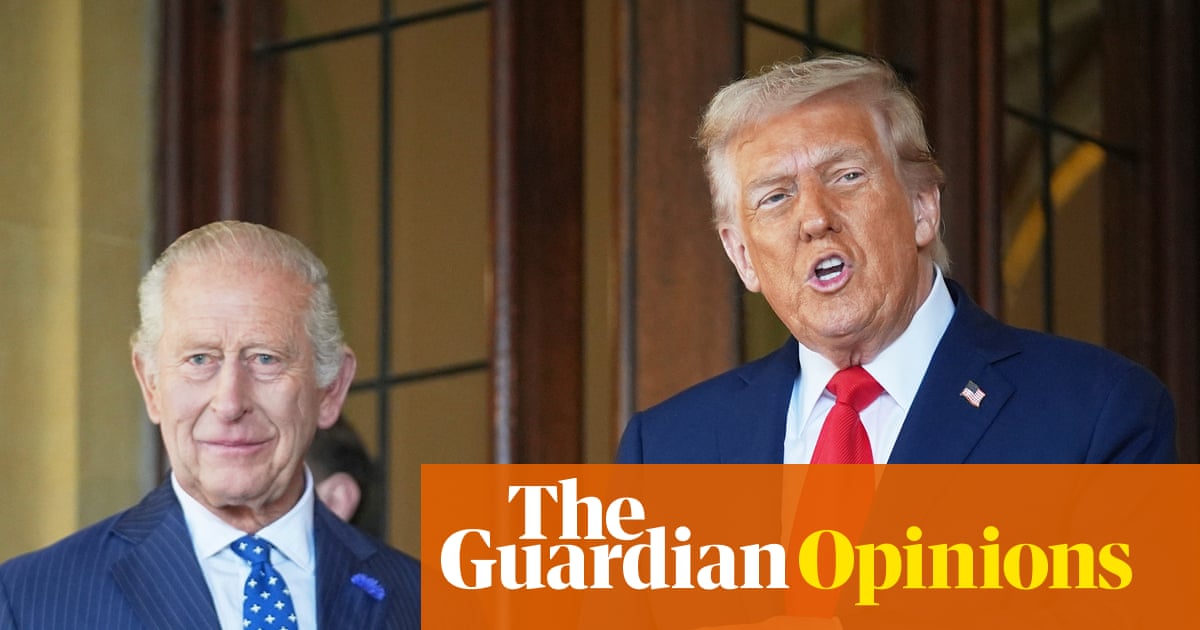
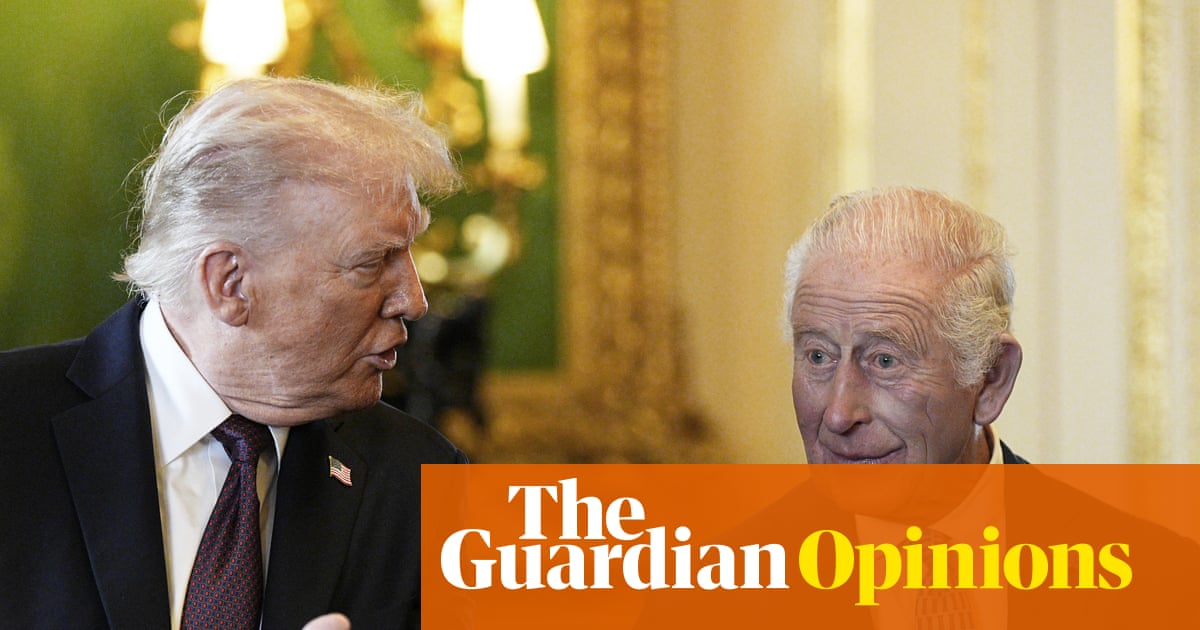
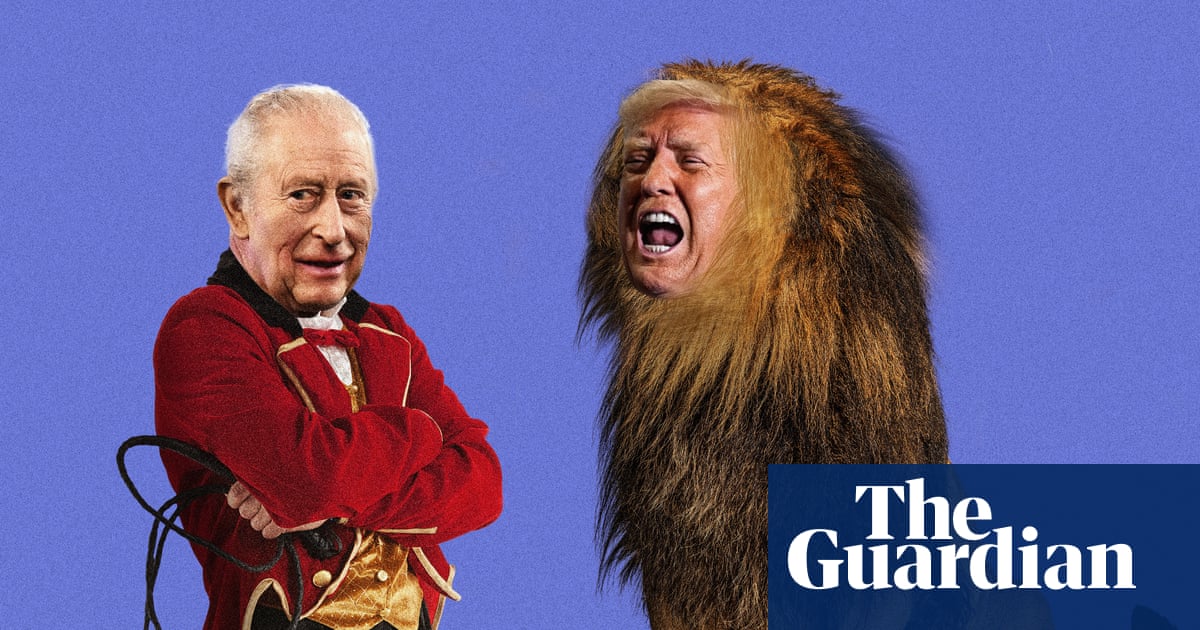
1 week agoKing Charles is due to visit Donald Trump. Here are the questions he needs to ask himself first | Zoe Williams
King Charles experienced awkward diplomatic moments during visits with U.S. presidents, highlighting the challenges of royal etiquette and soft power.
History
fromianVisits
1 month agoLooted from a royal palace: The medieval jug now on display in London
A medieval English bronze jug looted from Ghana's Asante kingdom reveals how European luxury goods became valued ceremonial objects through trans-continental trade networks before colonial appropriation.
fromLondon Unattached
1 month agoRoyal Philharmonic Society Awards 2026, Queen Elizabeth Hall
The Royal Philharmonic Society, founded in London in 1813, is one of the oldest music societies in the world. Among other things, it's famous for commissioning Beethoven's 9th Symphony. It's a charitable organisation that quietly sits at the heart of the British classical music world, with projects that include helping young players fund professional-standard instruments, empowering female conductors, and supporting commissions for composers.
London music
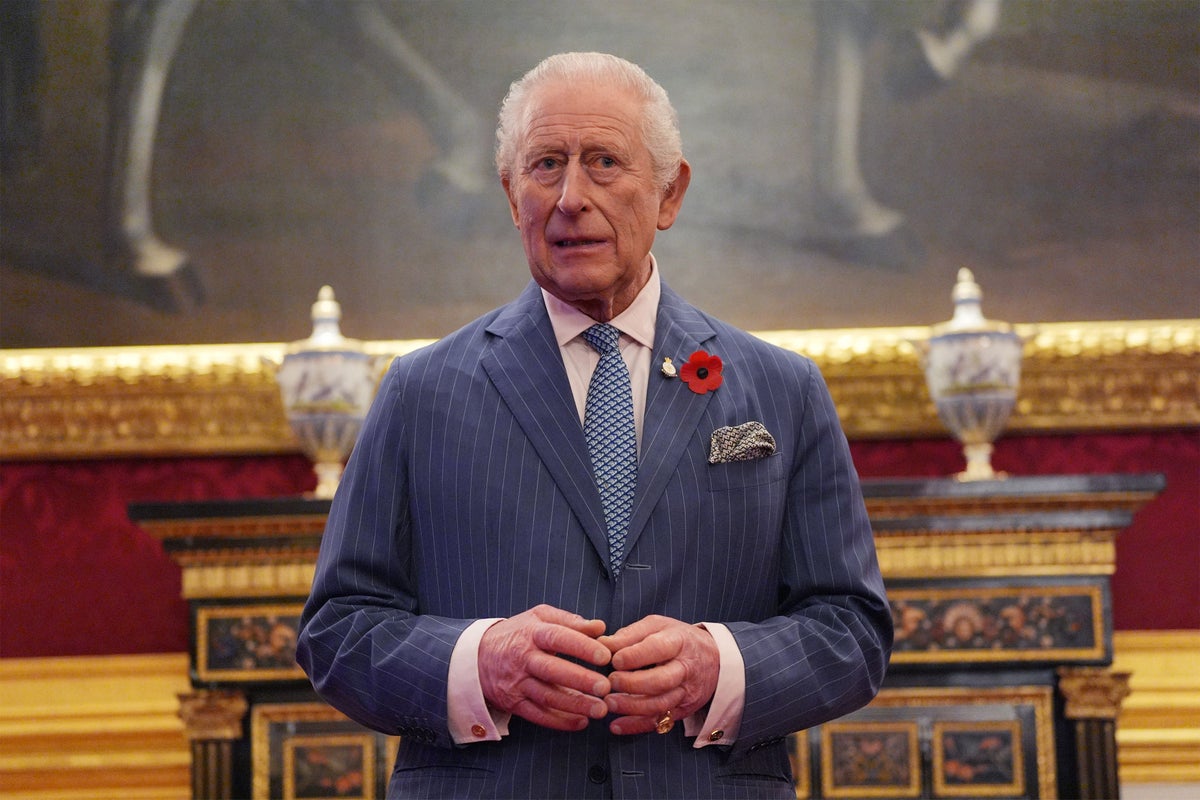
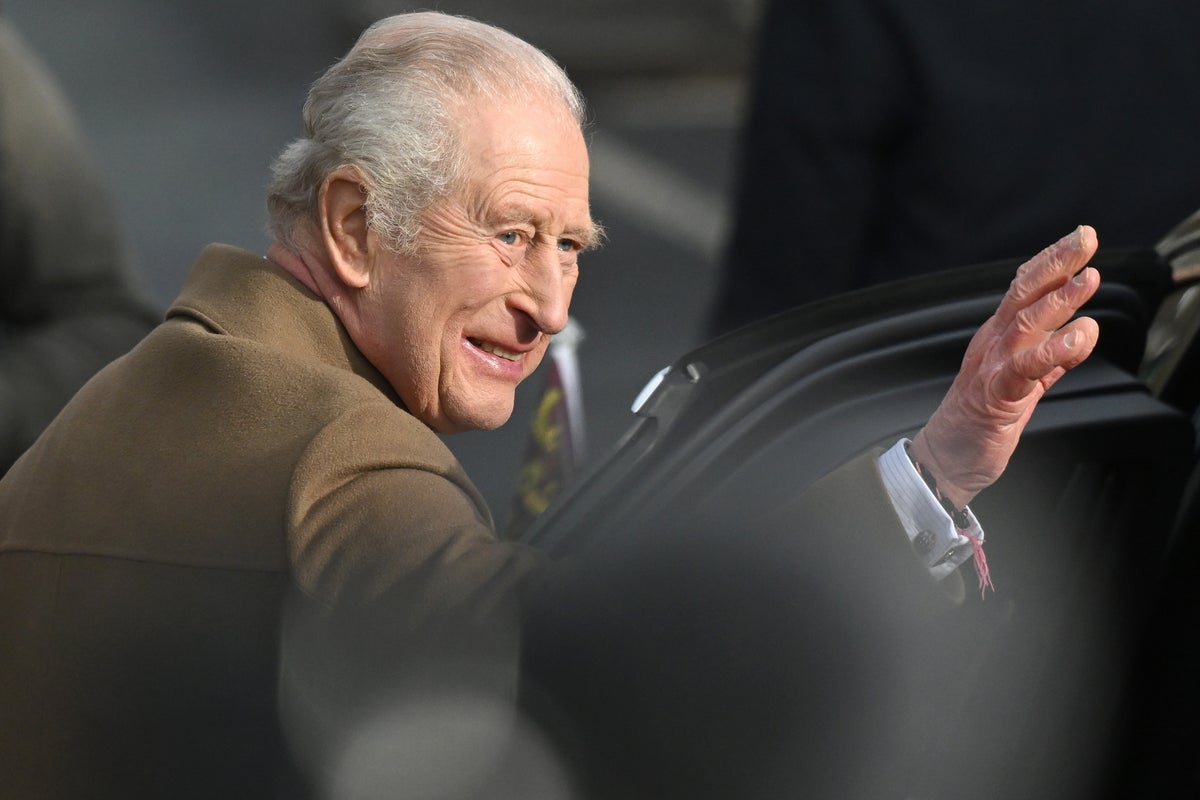
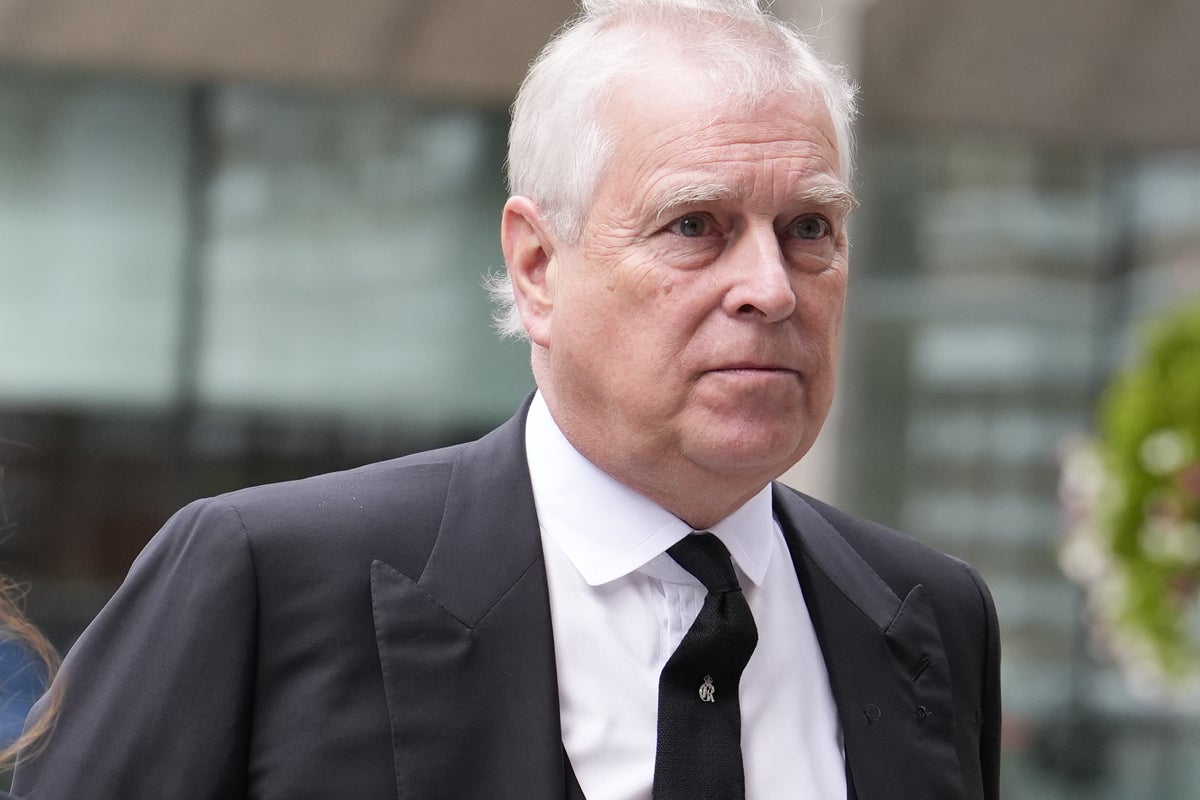
fromwww.independent.co.uk
2 months agoHow the royal family is weathering its worst crisis in 90 years
Whether it's investigating the financials of Elon Musk's pro-Trump PAC or producing our latest documentary, 'The A Word', which shines a light on the American women fighting for reproductive rights, we know how important it is to parse out the facts from the messaging. At such a critical moment in US history, we need reporters on the ground. Your donation allows us to keep sending journalists to speak to both sides of the story.
World news
fromenglish.elpais.com
1 month agoThe forgotten Al Bowlly: The singer, killed by Nazi bombs, now celebrated by King Charles III and Dua Lipa
Perhaps it's fitting that Al Bowlly's death is as well-remembered as his life, or rather, as his voice. After all, his most celebrated appearance in popular culture wasn't physical, but spectral. In Stanley Kubrick's The Shining (1980), when Jack Torrance enters the ballroom and the ballad titled Midnight, the Stars and You (1934) plays, the film reaches one of its most memorable moments.
Music
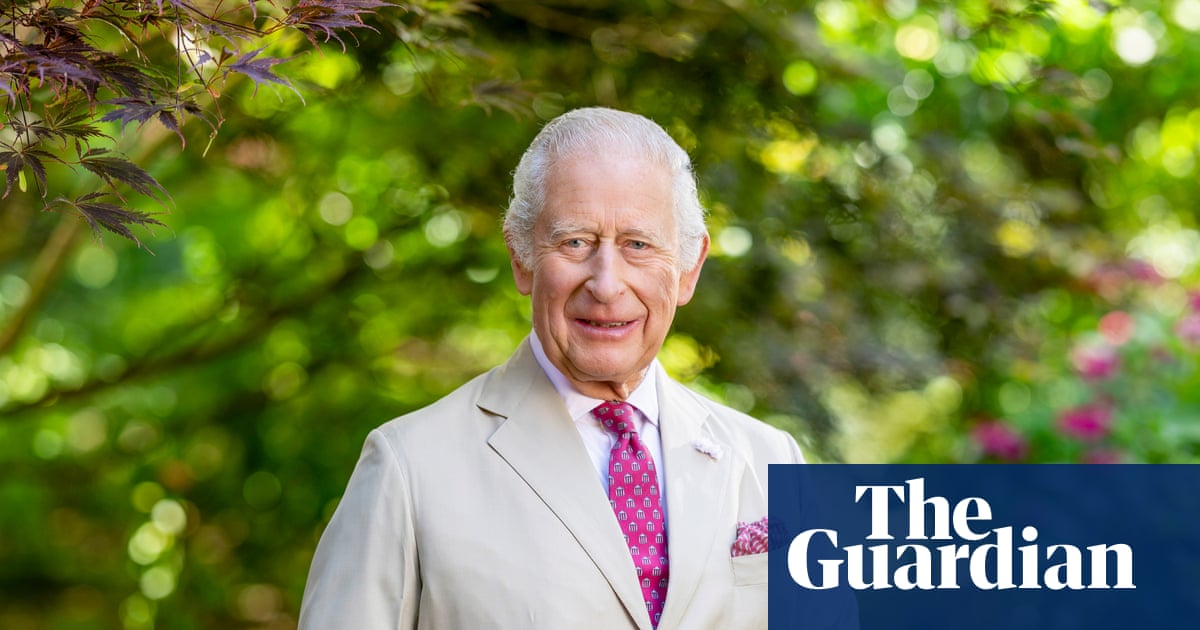
fromMedievalists.net
2 months agoMusic for a Medieval Coronation: Edward the Confessor at Winchester - Medievalists.net
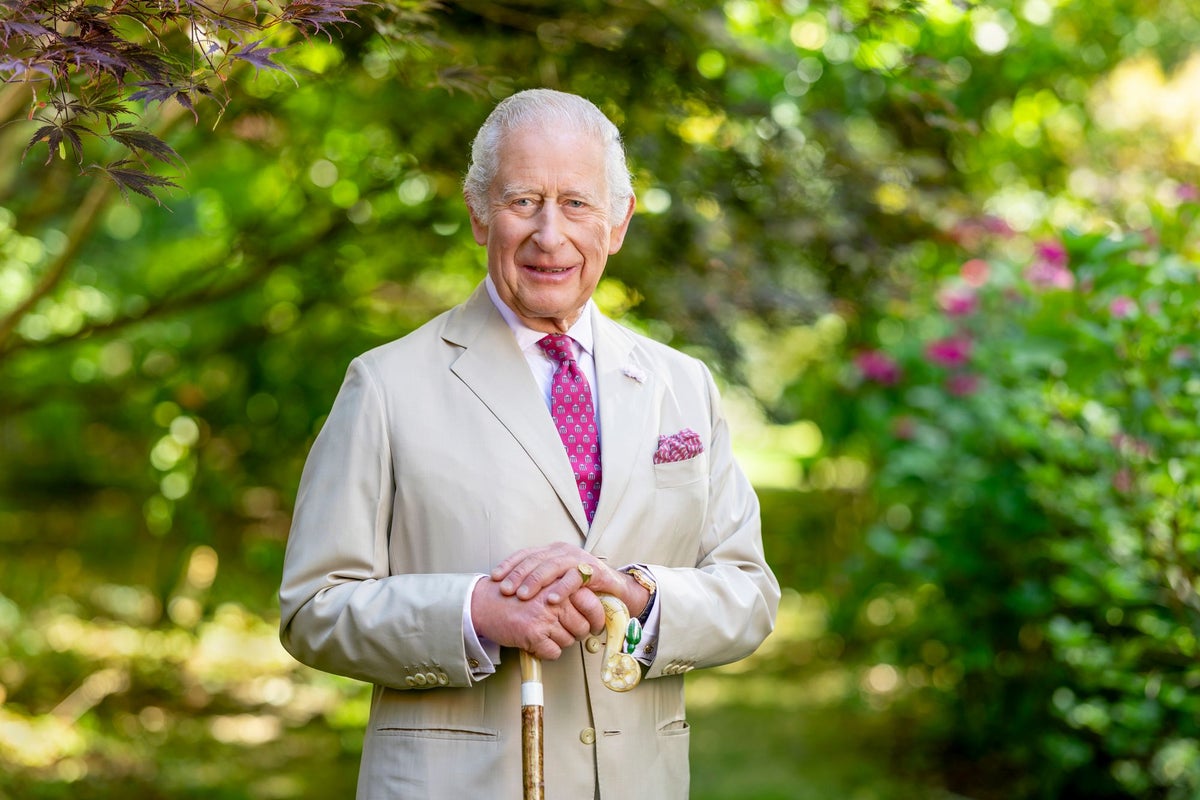
Music and England's royal coronations are inextricable. Since the mid-eighteenth century, the coronations of the nation's monarchs have been elevated by the works of prominent composers, most notably the opulent coronation anthem, "Zadok the Priest." This piece, with its regal instrumentation that consists of orchestra-including timpani and brass-and choir, was one of four anthems written by the prolific and celebrated eighteenth-century composer George Frideric Handel (1685-1759) for King George II's coronation on October 11, 1727.
History

fromwww.theguardian.com
2 months agoClassical music brings us joy and meaning. In this time of doom and gloom, we need to talk about that | James Murphy
When did you last read a good news story about classical music? Think of the stories that have made the headlines in recent years: funding cuts to national opera companies, closure threats to university music departments, councils axing local provision, classroom music-making in decline. Successes reported only tend to be reprieves or salvages in the face of such crises, fought for by a sector running out of fuel to keep defending itself.
Music
fromwww.mediaite.com
2 months agoCBS News Mocked for Mistaking King Charles With Monarch Who Died Over 300 Years Ago: Journalism by Ouija Board'
In a social media post reporting that the King would cooperate with the police investigation into his brother Andrew's ties with the late serial sex offender Jeffrey Epstein, CBS News mistakenly referred to the monarch as King Charles II a distant ancestor of King Charles III who died more than 300 years ago in 1685. The mistake, which was slapped with a community note on X, quickly went viral, with social media users dunking on the suggestion that a 17th-century monarch had been reached for comment.
Media industry
fromwww.independent.co.uk
1 month agoJudge the mood of the country': Readers urge King Charles to cancel US state visit
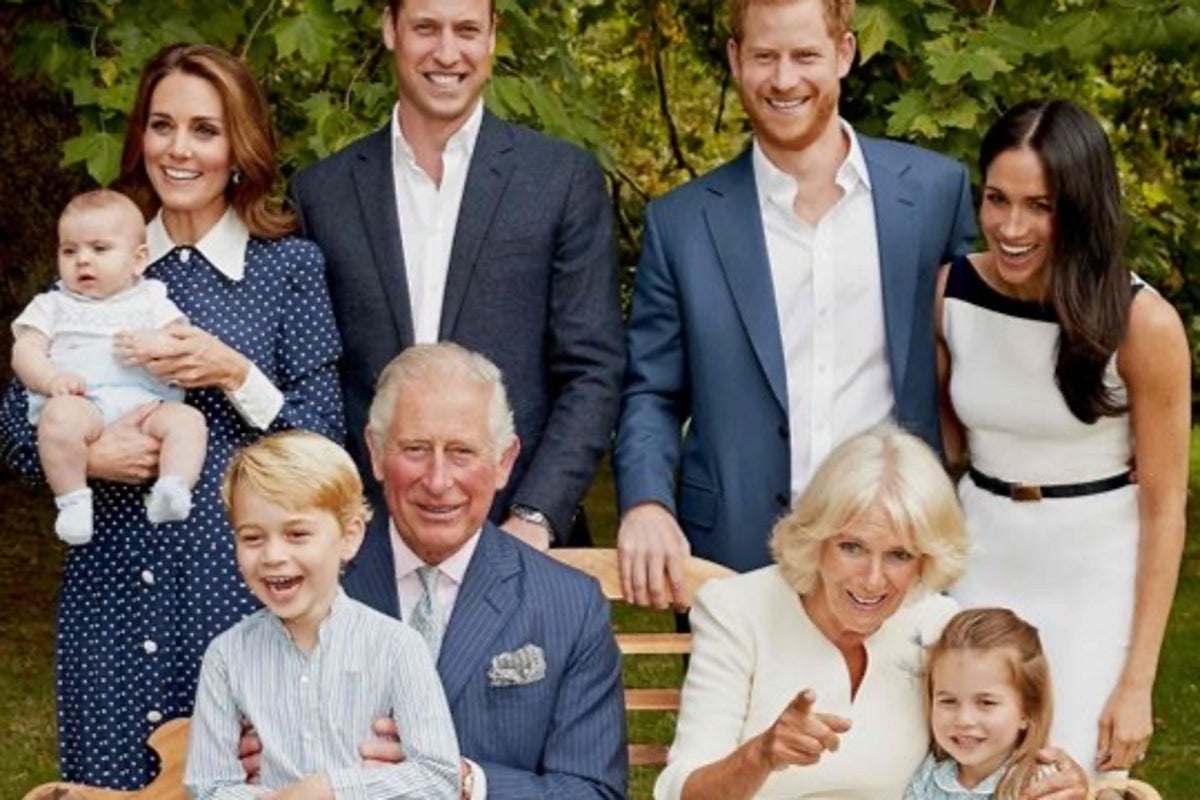
Many said travelling to the US at this moment would hand Donald Trump an unwelcome diplomatic win and risk appearing to legitimise policies and rhetoric they strongly oppose. Some argued the King's presence could be interpreted as an endorsement of the current administration, particularly given criticism of its approach to foreign policy, immigration and international alliances.
UK politics


fromianVisits
2 months agoPyx and Ceremony: London hosts one of England's oldest legal rituals
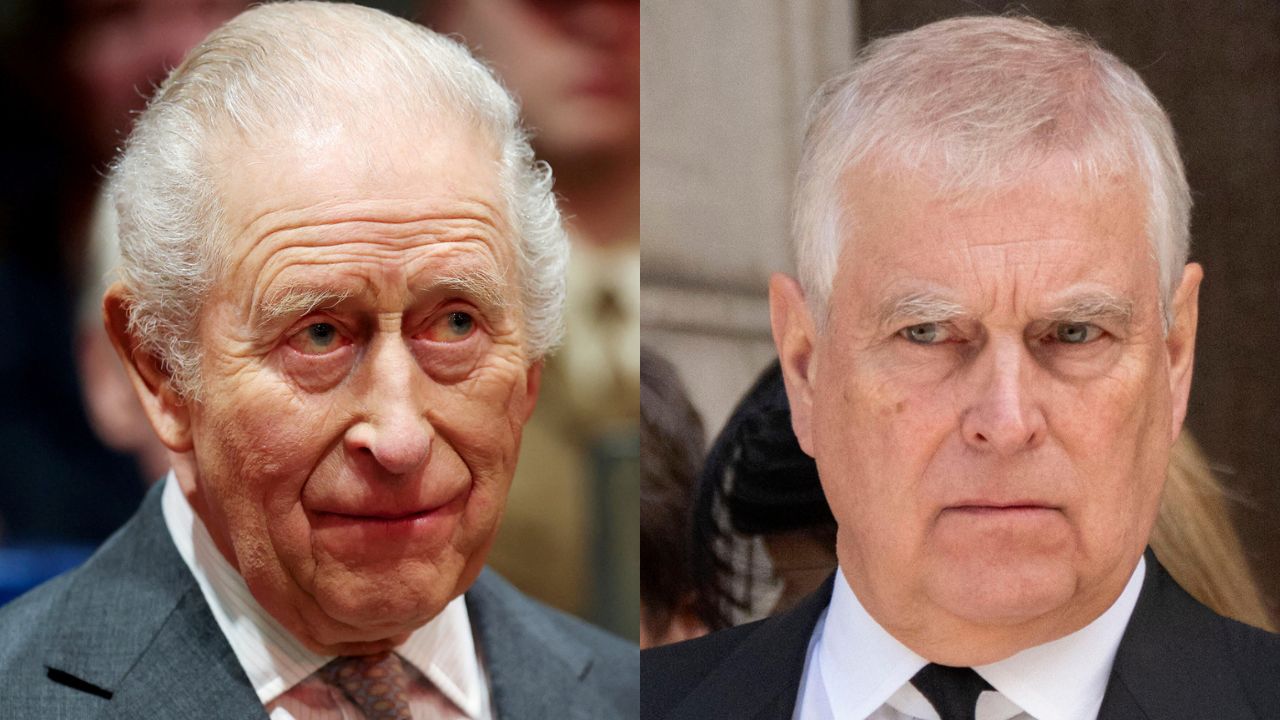
This was the Trial of the Pyx - an ancient ceremony that is still, in every sense, a proper legal process. Held annually, it exists to answer a simple question - is the coin in your pocket good and true? As Master of the Royal Mint, the Chancellor is technically in the dock. If the Mint were found guilty, m'Lord, of fiddling the figures, the responsibility would be hers.
UK politics
UK politics
fromwww.independent.co.uk
2 months agoAndrew Mountbatten-Windsor: What legal protections do the royal family have?
Andrew Mountbatten-Windsor was arrested on suspicion of misconduct in office over allegedly sharing official information with Jeffrey Epstein while serving as a UK trade envoy.
UK politics
fromenglish.elpais.com
1 month agoArrest of Andrew Mountbatten forces British government and Charles III to air the Windsor family's dirty laundry
British MPs broke parliamentary tradition by publicly criticizing Prince Andrew and questioning who knew about his misconduct with Jeffrey Epstein, revealing that officials had prior knowledge of his activities.
[ Load more ]