#digital-nomad-visa
#digital-nomad-visa
[ follow ]
#remote-work #travel #philippines #visa-requirements #tourism #sri-lanka #slovenia #bulgaria #cost-of-living #spain
#sri-lanka



Digital life
fromGREY Journal
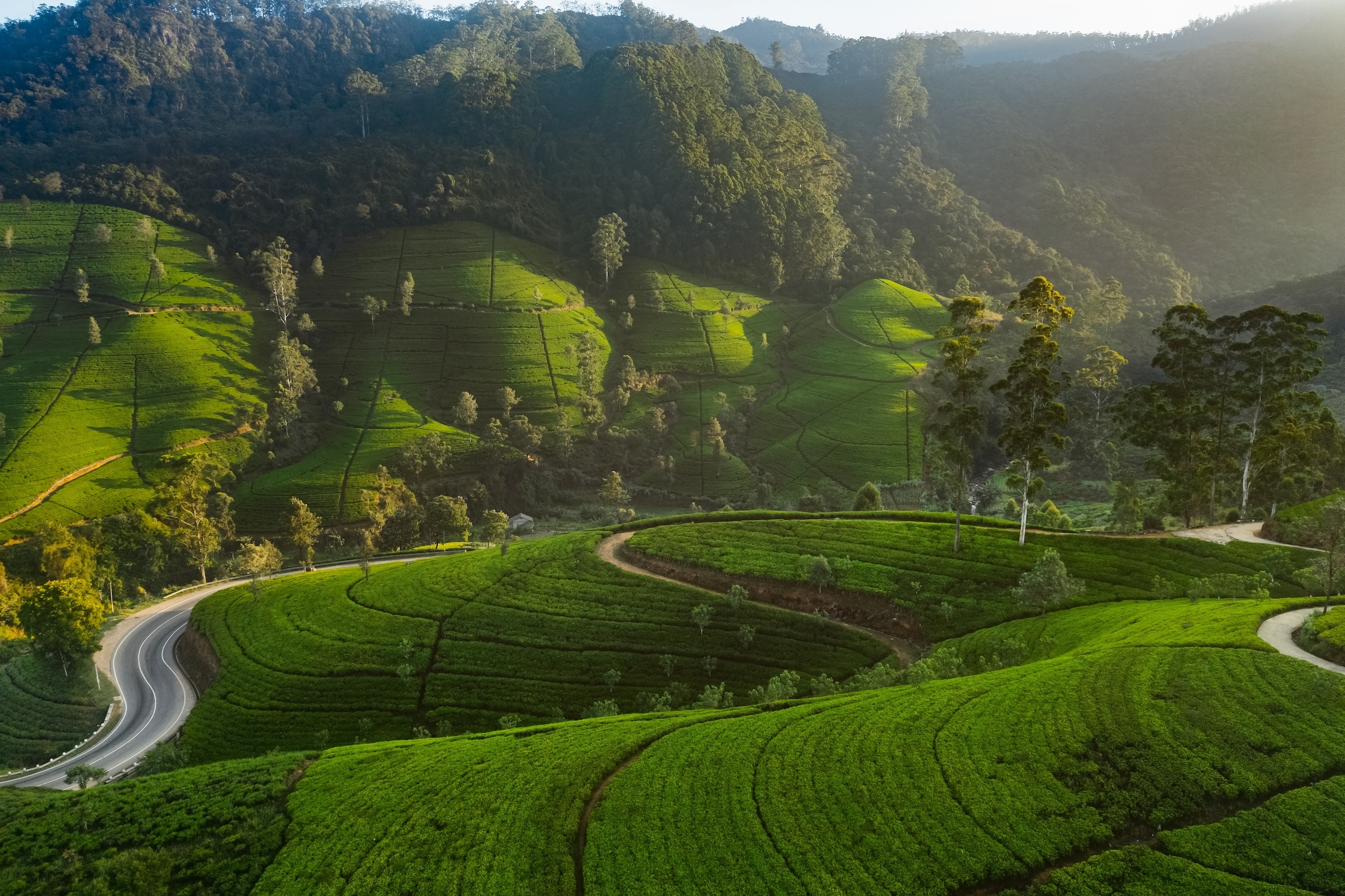
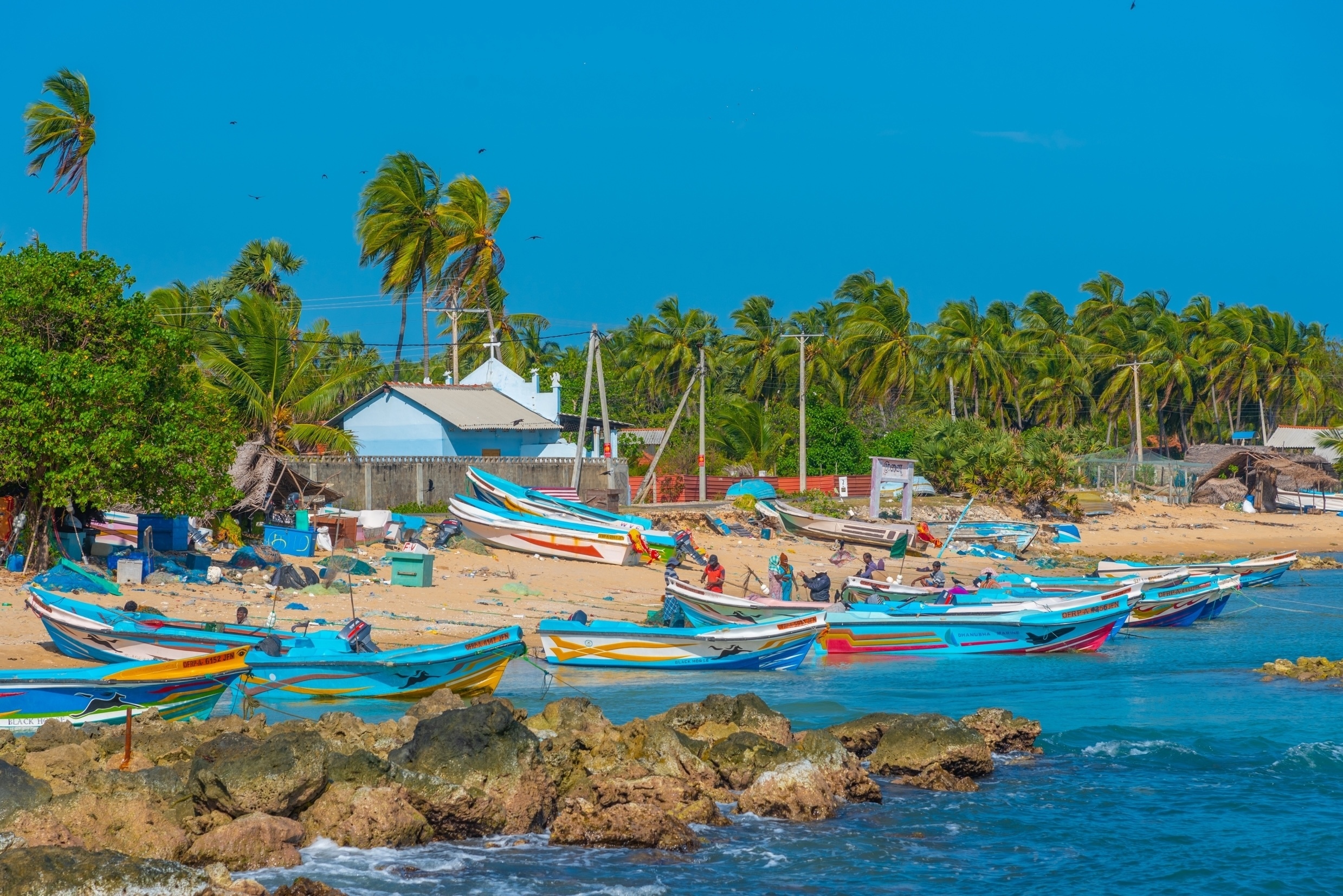
1 month agoWhy Sri Lanka Just Became the Smartest Digital Nomad Move for Founders
Sri Lanka's digital nomad visa offers a $1,500 monthly income requirement with exceptionally low cost of living, enabling remote workers to retain most earnings while accessing banking, school enrollment, and coworking facilities.
fromForbes
1 month agoSri Lanka Launches New Digital Nomad Visa
Sri Lanka is renowned for its sandy beaches and impressive wildlife, including elephants and leopards in its national parks. In Lonely Planet's words, the country offers 'endless beaches, timeless ruins, welcoming people, oodles of elephants, rolling surf, cheap prices, fun trains, famous tea and flavorful food.' In addition, there is great diving, temples, and safaris.
Travel
fromBusiness Insider
2 months agoI moved to Italy without ever visiting. Here's how I chose a home city - and why I don't regret my unconventional approach.
As I stepped off a train in Florence into heat so brutal it felt like the city was actively trying to kill me, I wondered if I'd made the right decision. This was my first time in Italy, yet I'd already committed to leaving the US and calling it home. I'd dreamed of living in Europe ever since my semester abroad in college, but here I was - overstimulated, sweating, and on my way to move into an apartment I'd only seen through WhatsApp video calls.
Travel
fromForbes
2 months agoThe Easiest Routes To Residency In Greece
Let's explore some of Greece's most popular residency routes... The Financially Independent Person (FIP) Permit Greece doesn't offer a retiree-specific visa so for those looking to enjoy their golden years in Greece, the Financially Independent Person (FIP) Permit is the preferred choice. To qualify for the FIP permit you will need to be able to show that you receive a monthly income of at least €3,500 (about $4,000) for a single applicant.
Miscellaneous
fromBusiness Insider
2 months agoI took a risk moving to Phuket as a single mom. It paid off.
My move to Phuket was about choosing a fabulous place to live while continuing my freelance career. I feel like I've been part of the island's community for years. I'd visit annually for a couple of weeks at a time, maintain friendships, and get to know local business owners. Every trip had me dreaming about potential jobs and interesting opportunities.
Travel
fromBusiness Insider
3 months agoI moved my family from the US to Malta. Living on a small island has some unexpected conveniences.
During the pandemic, I was freelancing at the time, and I was writing an article about "worldschooling." I had never heard of it, and I started interviewing these people around the world, and these are families who were just traveling the world with their kids. My wife and I had both lived abroad, and we loved the idea, and we said if we ever make it out of the pandemic, we want to do something like this with our kids.
Digital life
Digital life
fromBusiness Insider
3 months agoI moved to Thailand to recover from burnout. Living here has been harder - and better - than I expected
Long-term residency in Thailand on a digital nomad visa offers paradise and great food but brings unexpected challenges such as urban overwhelm, overtourism, and service disruptions.




fromTravel Noire
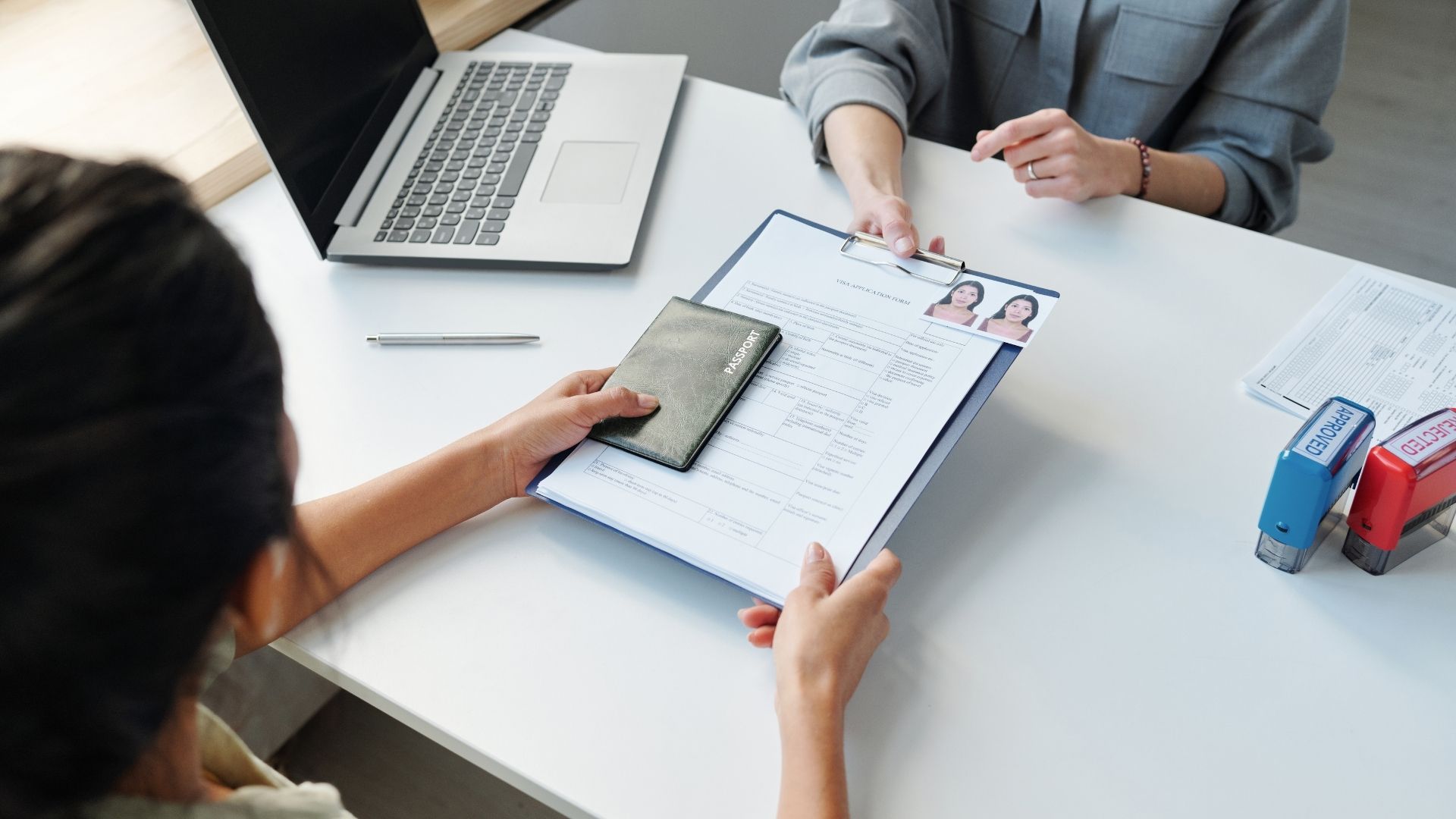
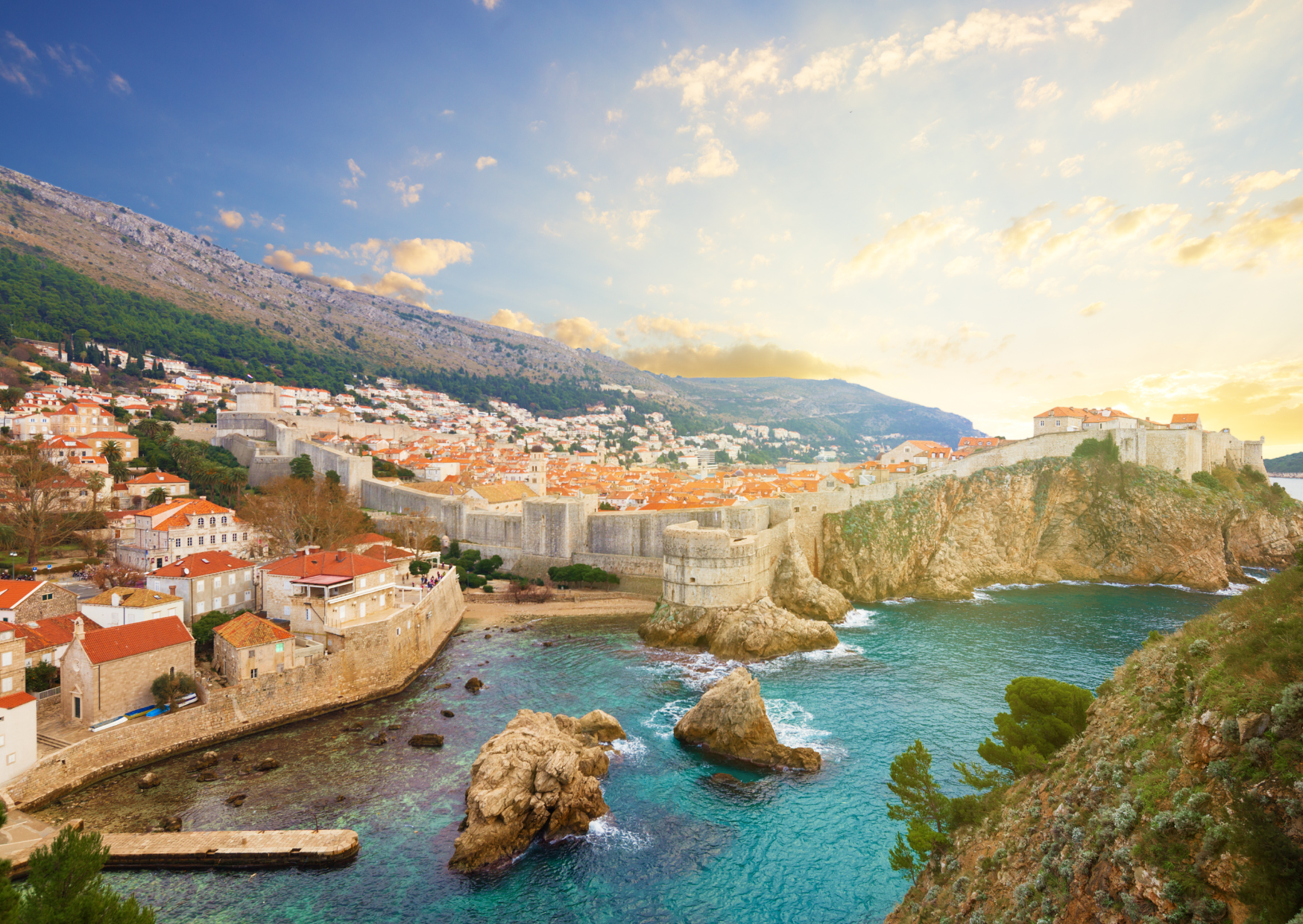
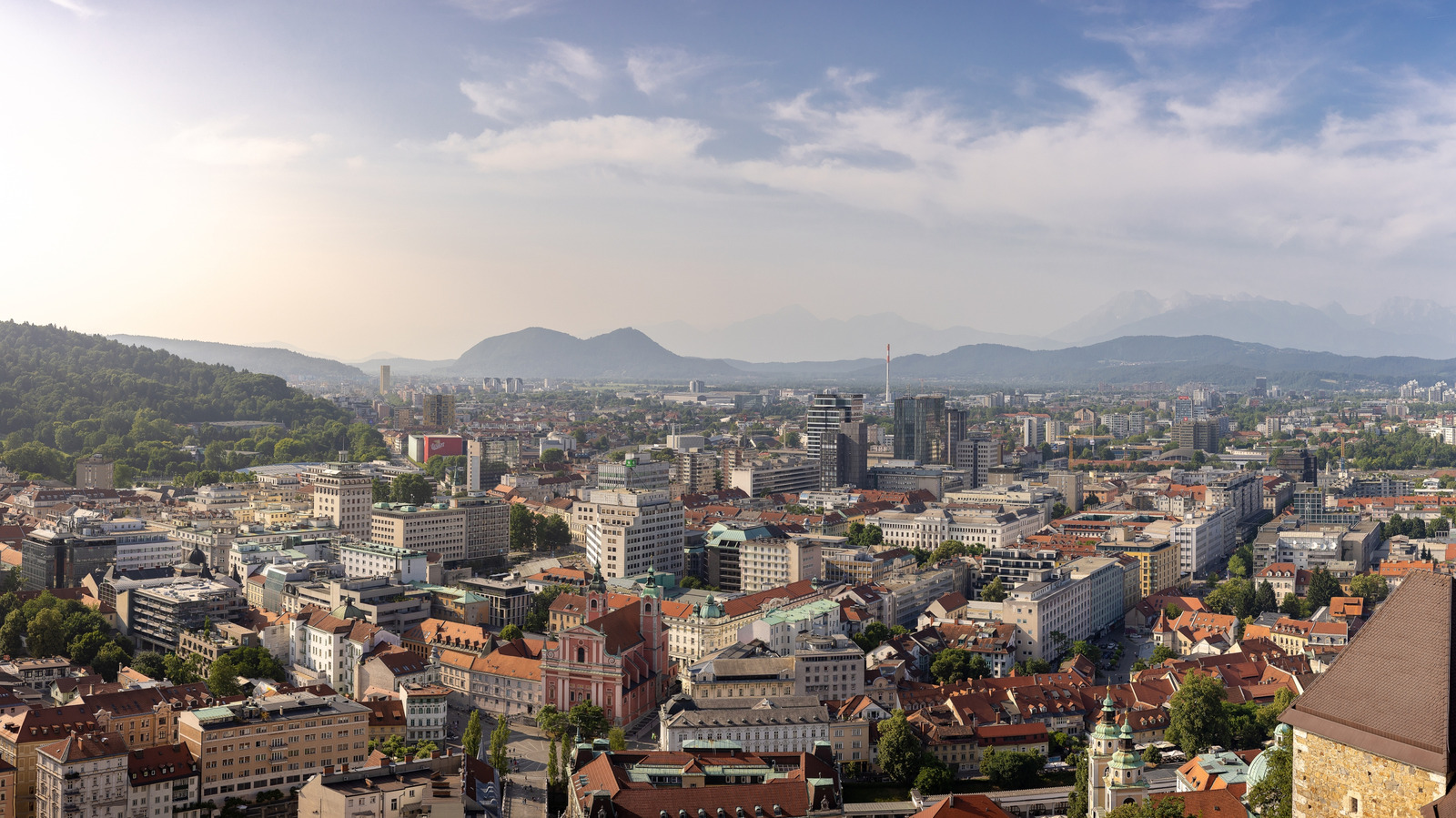
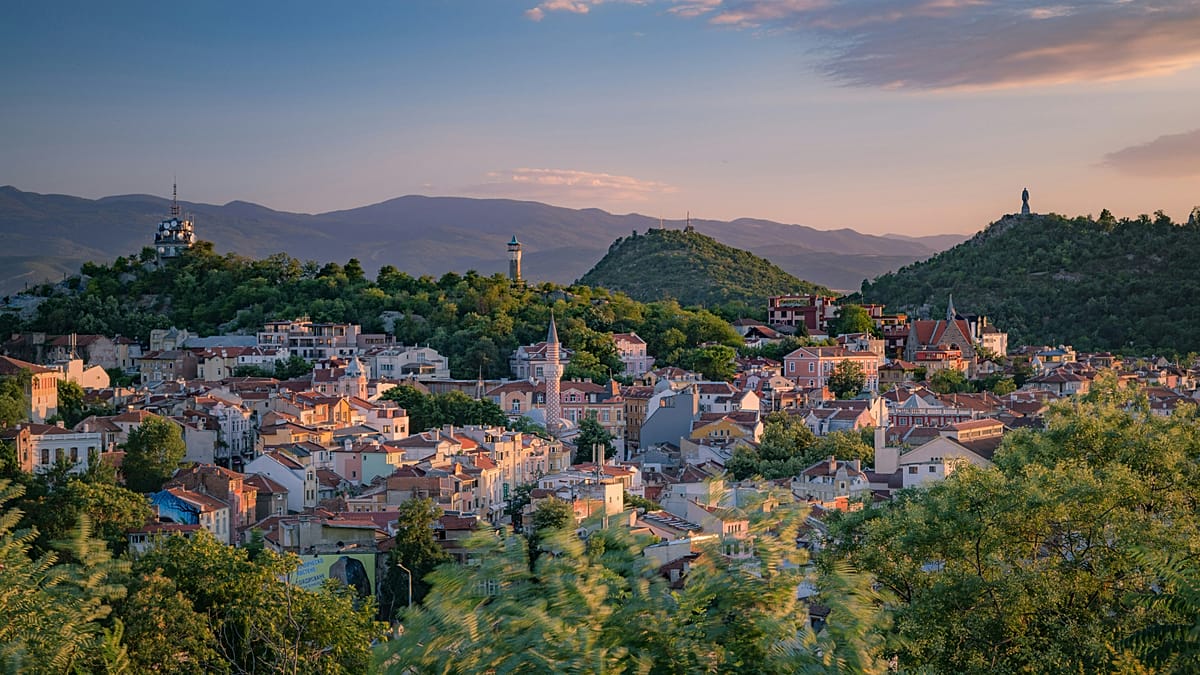
3 months agoThis Small European Country On The Black Sea Just Launched A Digital Nomad Visa With Easy Eligibility - Travel Noire
The application process has several steps and reportedly can extend for months. Applicants will first apply for a Type D visa. Upon approval and moving to Bulgaria, they'll later apply for a residence permit. Moreover, they'll also need to obtain an identity card. Eligible parties are issued a one-year stay in Bulgaria under its digital nomad visa program. That said, the visa can be extended for another year, offering up to a two-year stint.
Miscellaneous
Miscellaneous
fromwww.cnbc.com
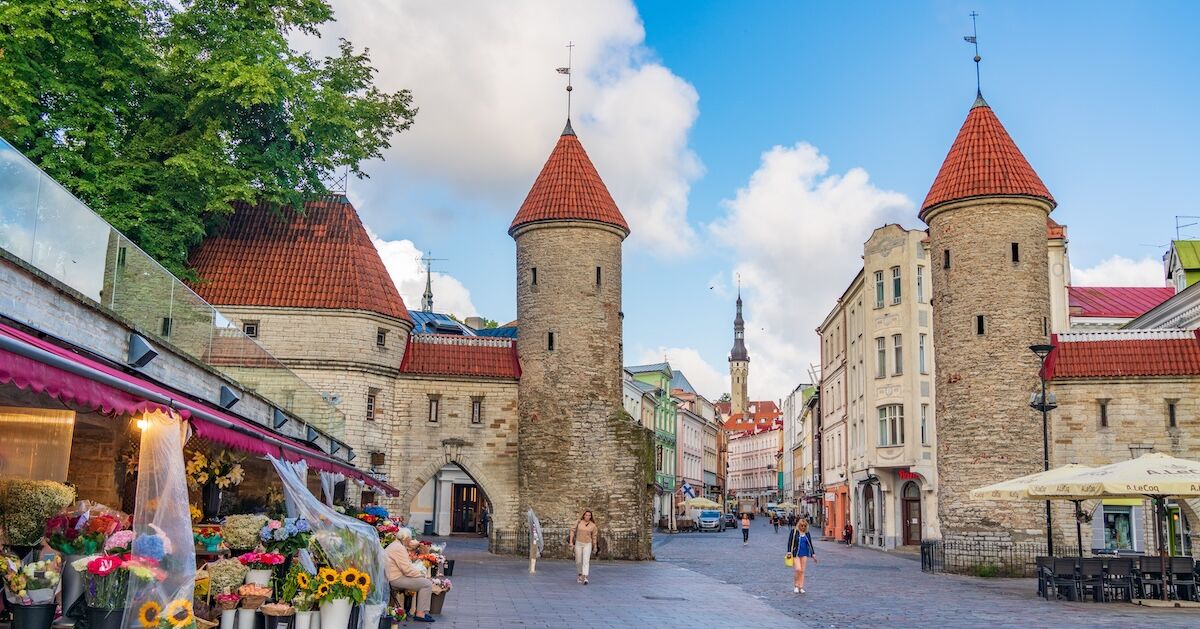
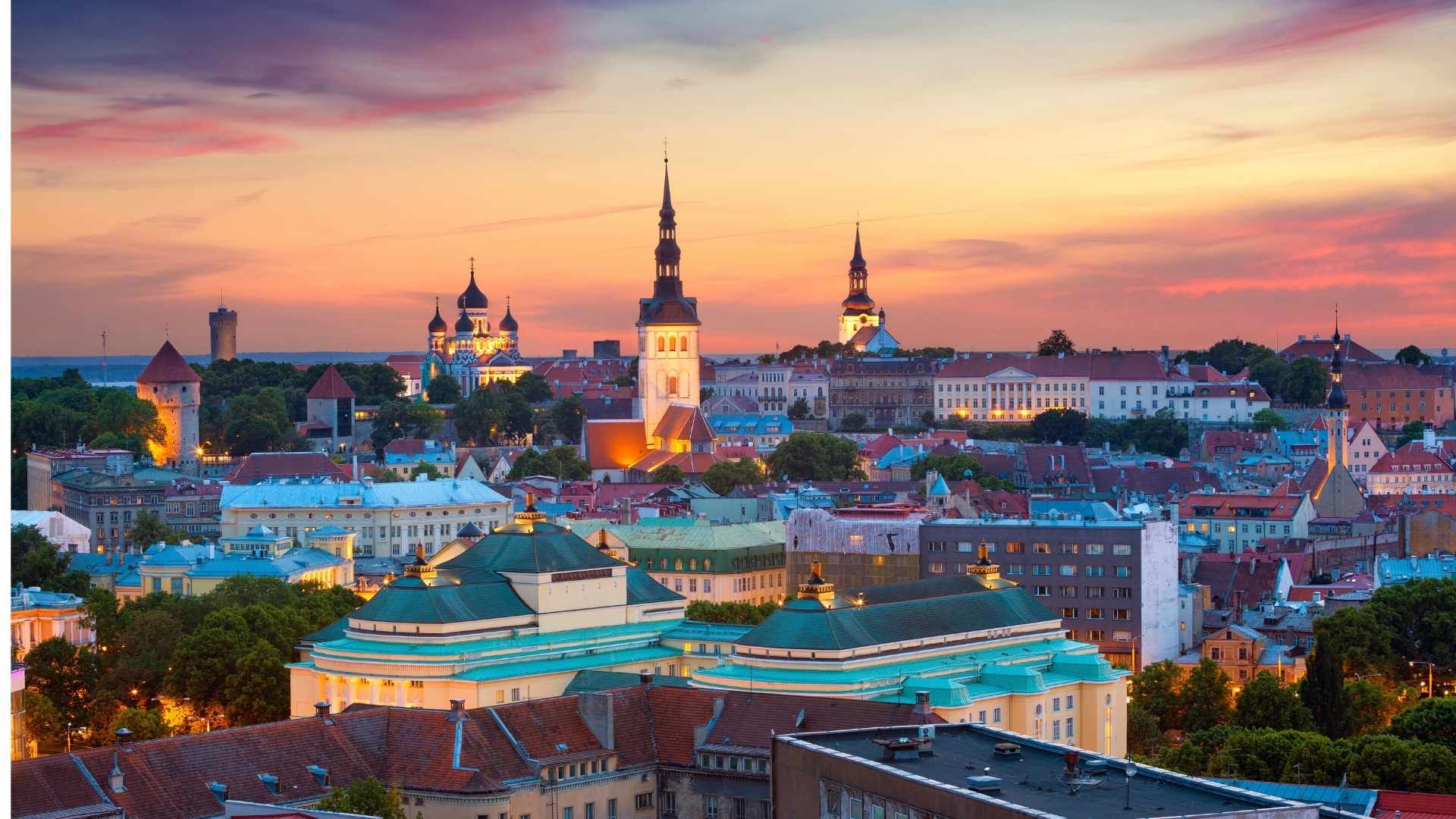
4 months agoI've helped hundreds of Americans move abroadhere are 4 of the easiestcountries to move to in Europe
Several European countries allow applicants to relocate first and complete visa paperwork in-country, making digital nomad moves to Spain and elsewhere easier.
fromForbes
5 months agoNew Zealand Visa-Government Opens New Path To Entice Expats
The new Business Investor Plus visa offers residency for up to 4 years, with a pathway to permanent residence. There is an application fee of NZD $12,380 (about $7,010), and investors can invest NZD $1 million (about $567,300) for a three-year work-to-residency track, or NZD $2 million (about $1,134,480) for an expedited one-year path. In addition to this investment amount, applicants must also prove that they have the money to stay and cover their expenses to the tune of NZD $500,000 (about $283,700)
World news




[ Load more ]