Graphic design
fromApartment Therapy
1 hour agoThis Item Designers Always Buy First at the Flea Market Will Make Your Home Look More Expensive
Designers prioritize art when shopping at flea markets for unique and affordable pieces.
In 1971, Manolo Blahnik created shoes for the designer Ossie Clark's catwalk show in London. Relatively new to shoemaking, the Spanish designer forgot to put steel pins in the heels of the shoes, which meant that models wobbled, unbalanced, down the catwalk.
Anna Holmes defines 'hype aversion' as a reflex against being told what to like, suggesting that popularity can create pressure rather than signal quality. This feeling can lead to a deliberate choice to resist mainstream culture.
ROOM FOR DREAMS becomes a living manifesto for utopian optimism, creative courage, and the power of imagination through a multilayered approach where large scale installations, cinematic storytelling, live conversations, and ritual-driven encounters converge.
Butterfly unfolds across four unique versions of the same song, each exploring different genres and emotional depths while maintaining a cohesive melody and lyrics.
R&B in the 21st century has been in a constant state of flux, tugged between safe traditionalism and blurry attempts at progression. For the last decade-plus that "progression" has seen R&B music become more indebted to trap records and the moody atmospherics of alternative bands like Radiohead, Coldplay, or My Bloody Valentine.
The most effective way to change what people do today is to make them experience what tomorrow can look like. They illustrate details backed by data, science, and facts, allowing their imagined futures to no longer stand as theories but as actionable methods. Where forecasting extends from data, speculative design builds from imagination, supported by research.
Naked mermaids and prancing horses, silk carrots and unshelled peanuts, gilded elephant trunks, drums and masks are just a few of the buttons. The V&A's lavish spring show is a weird and wonderful tumble down the rabbit hole that is Schiaparelli, fashion's house of surrealism.
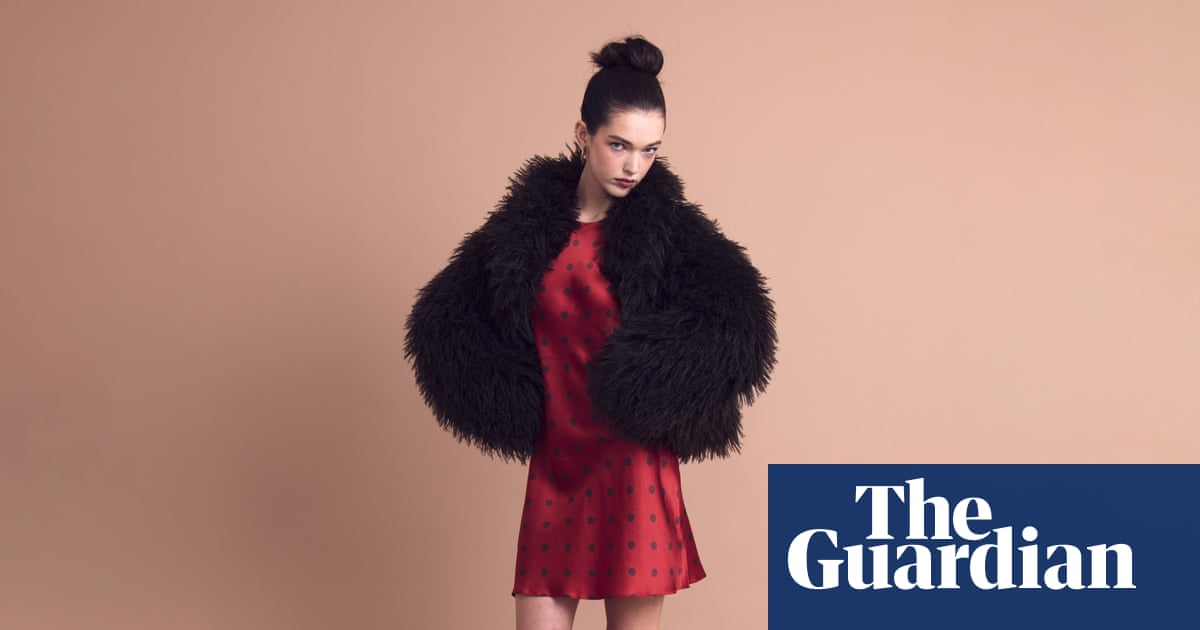
There was an outsider's embrace of French fashion standards in this show, like an open-top omnibus tour at breakneck, gendarme-enraging speed of tailored hooded boleros with sweet bows perched on the noggin like something by Marc Bohan or a young Hubert de Givenchy. There were zip-scarred bodycon dresses that I refuse to accept as anything other than homage to Azzedine Alaïa's seminal 1986 originals.
On Franklin Street in Brooklyn's Greenpoint neighborhood, one non-commercial gallery fosters 'a small, stubbornly human space for friction.' Friction—the ubiquitous buzzword that captures the simultaneous delight and discomfort of doing things the slow way—is at the heart of artists Pap Souleye Fall and Char Jeré's current show at Subtitled NYC. It also reflects the overall spirit of this little exhibition space and of a burgeoning movement to reject our culture of optimization in favor of a bumpier, more intimate, less alienating experience.
What if I took my design lens and built out my essentials capsule for the Everlane customer? I felt like that would be a really amazing opportunity for me to introduce myself as a designer to an audience outside of EB Denim.
CFGNY is having a big spring. The self-proclaimed 'vaguely Asian' art and fashion collective is in a group exhibition about the production and representation of Asian fashion at Pioneer Works, transforming the third floor into a cardboard-lined shipping container filled with studio portraits shot in Ho Chi Minh City, Vietnam, a growing fashion hub.
In the show, "dirty" extends to anything that breaks fashion's pact with propriety. Here are clothes caked in grime, blotted with makeup, stiffened by salt, pieced from trash, frayed, and faded. The garments span decades, from the 1980s through the mid-2000s, when the likes of Vivienne Westwood and Jean Paul Gaultier built their fame on defying convention, to today, when corporatization has made such daring increasingly rare. But forgoing practicality frees certain designers from the demands that the body be polite-and thereby policed.
On May 16, 2026,Iris van Herpen: Sculpting the Senseswill make its North American debut at the museum, showcasing more than 140 haute couture creations alongside contemporary art from artists such as Philip Beesley, Rogan Brown, Casey Curran, Kim Keever, and Nick Knight, in addition to unique design and scientific artifacts. The much-anticipated exhibit, which will run through December 6, 2026, will explore how renowned Dutch fashion designer Iris van Herpen fuses various mediums of expression.
It captures seven different femininities during an all-day pool party, enjoying themselves while revealing their distinctive styles. Creative Direction, Production & Styling by Maria Gkin. Photography by Eliza Poultidou. The models are Vanessa Otilia, Cyka, Alvina Chamberland and Angelica Komninak. The concept examines the thin line between what is seen as acceptable and what has been labelled ugly or immoral, explored through each woman's personal story. Textures, colours, makeup and styling come together, breaking down stereotypes and highlighting fashion as a means of freedom
Embroidery is a historic mainstay of traditional clothing in Asia or the Middle East, as well as Western Haute Couture, but it is increasingly present in Paris, Milan or New York on modern men's shirts, bomber jackets or blazers. Designers at Dior, Dolce Gabbana, Kenzo or Gucci have adopted it in recent runway shows, while Louis Vuitton's celebrity rapper-designer Pharell Williams dedicated his entire June collection to India after visiting the country.