#eduardo-souto-de-moura
#eduardo-souto-de-moura
[ follow ]
#architecture #design #residential-architecture #interior-design #sustainability #contemporary-architecture
Photography
fromArchDaily
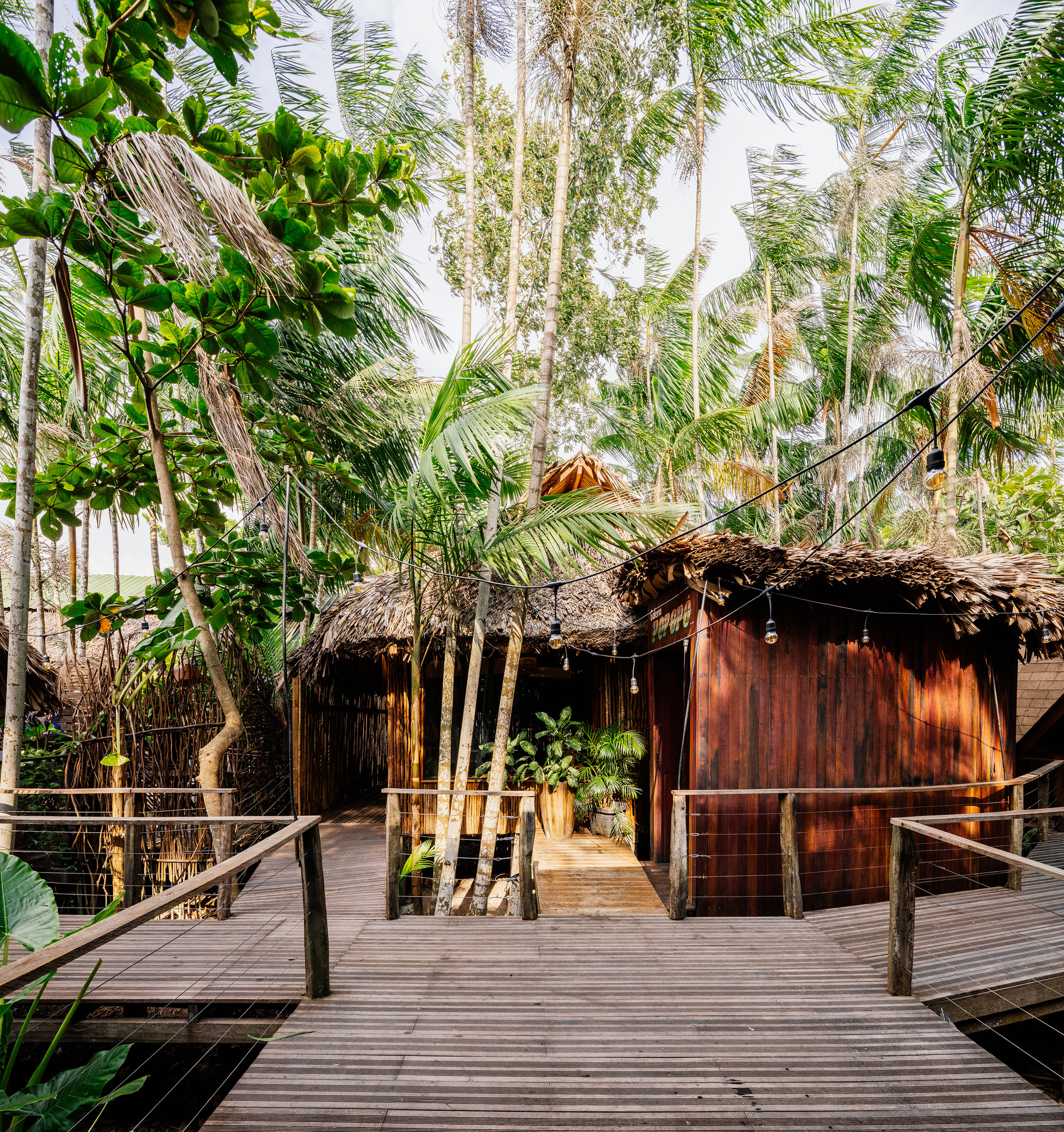
20 hours ago40+ Contemporary Architectural Works Across Ecuador Captured by Francesco Russo and Luca Piffaretti
Photographers document Ecuador's architecture and landscapes, highlighting the country's evolving identity and the interplay between built environments and natural surroundings.
Design
fromYanko Design - Modern Industrial Design News
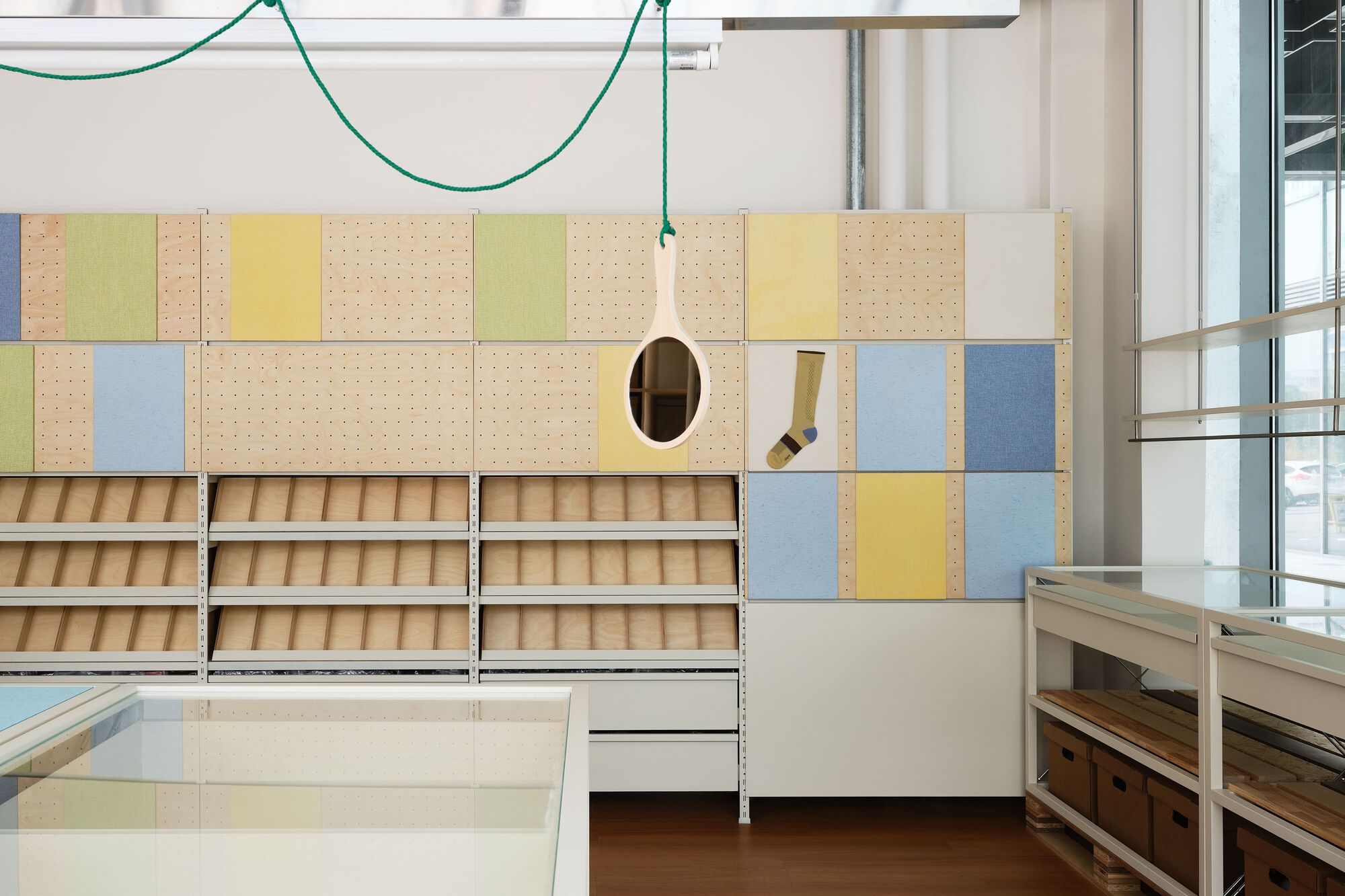
3 hours agoA Transforming Table-Chair That Turns Tradition into Space-Saving Intelligence - Yanko Design
Furniture design adapts to limited spaces by transforming static objects into dynamic systems, enhancing comfort and experience without compromising functionality.
#residential-architecture

Design
fromwww.archdaily.com
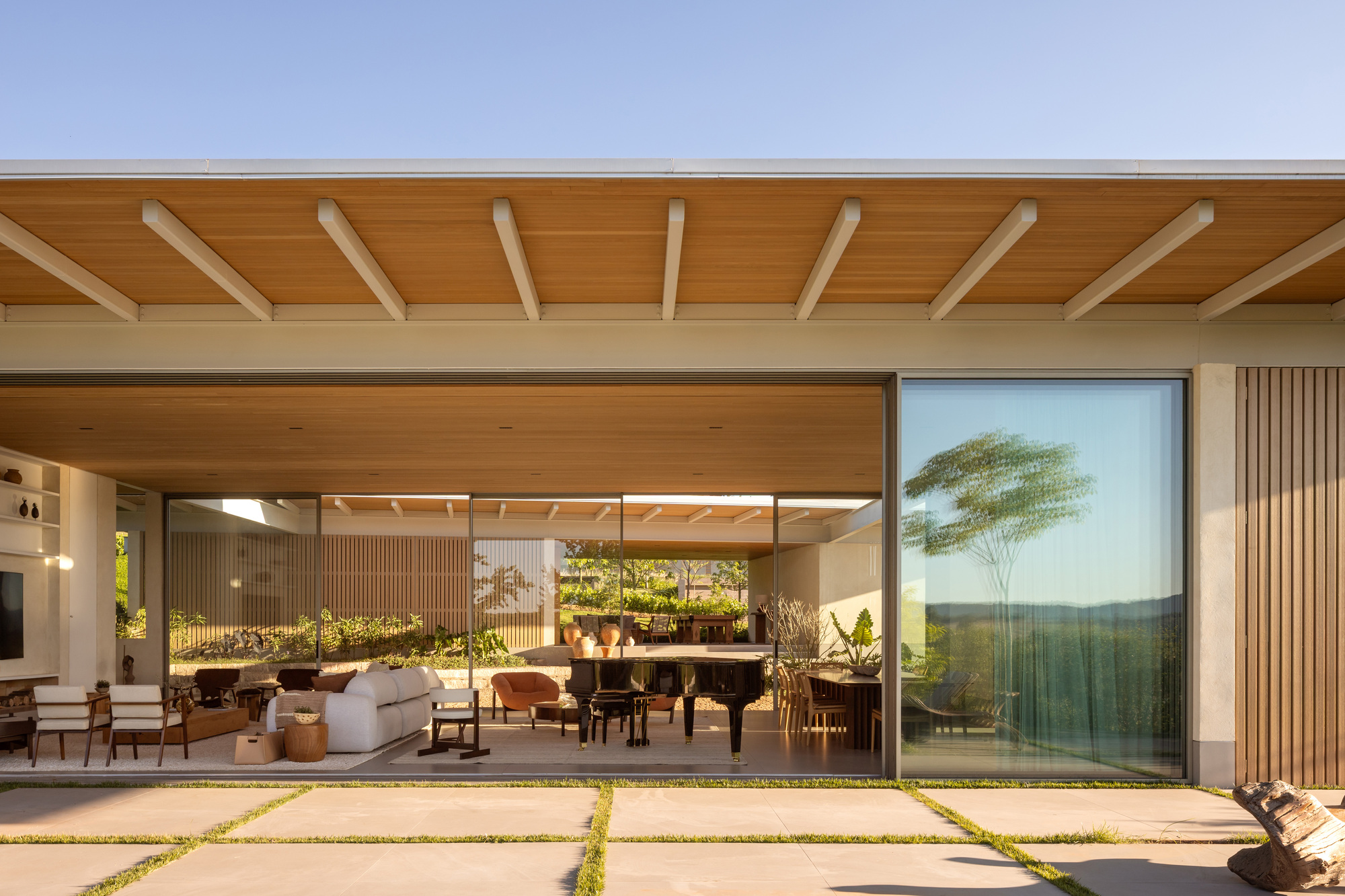
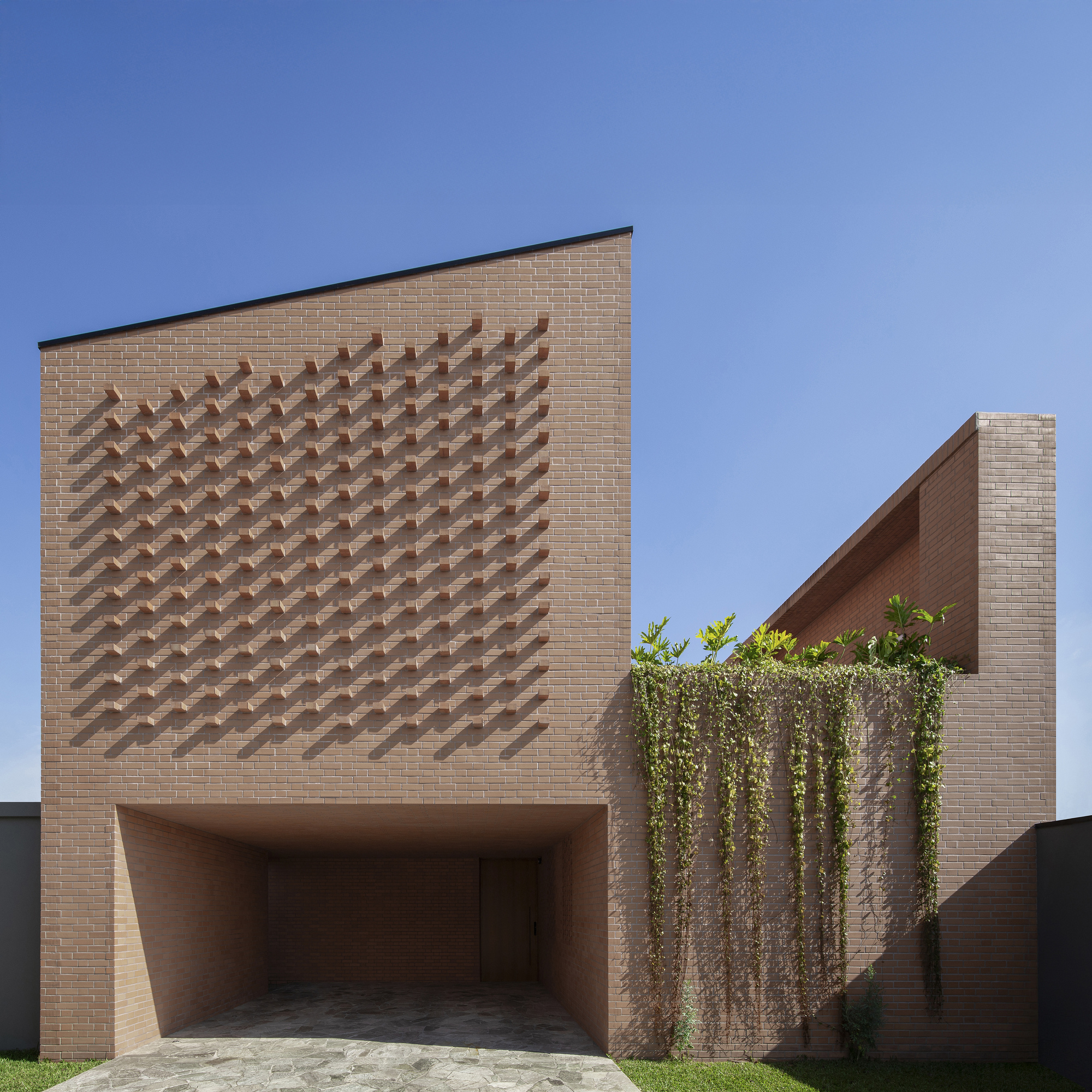
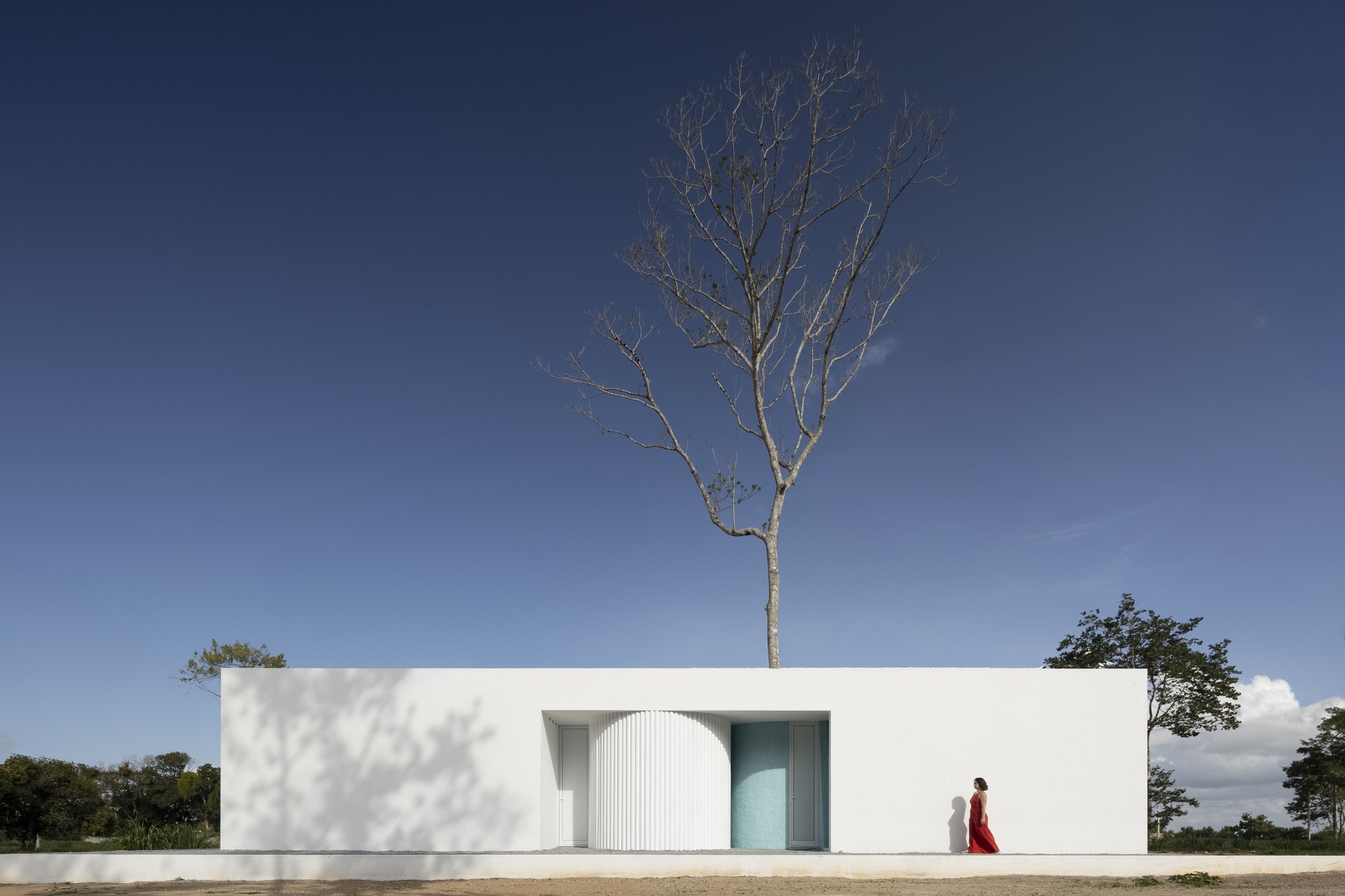
3 weeks agoCasa Branca / NEBR arquitetura
A 150 m² residential project in Pernambuco's Zona da Mata region balances poetic contrast with the Atlantic Forest environment, rejecting conventional formulas while respecting local tradition and revealing new architectural nuances.
Renovation
fromdesignboom | architecture & design magazine
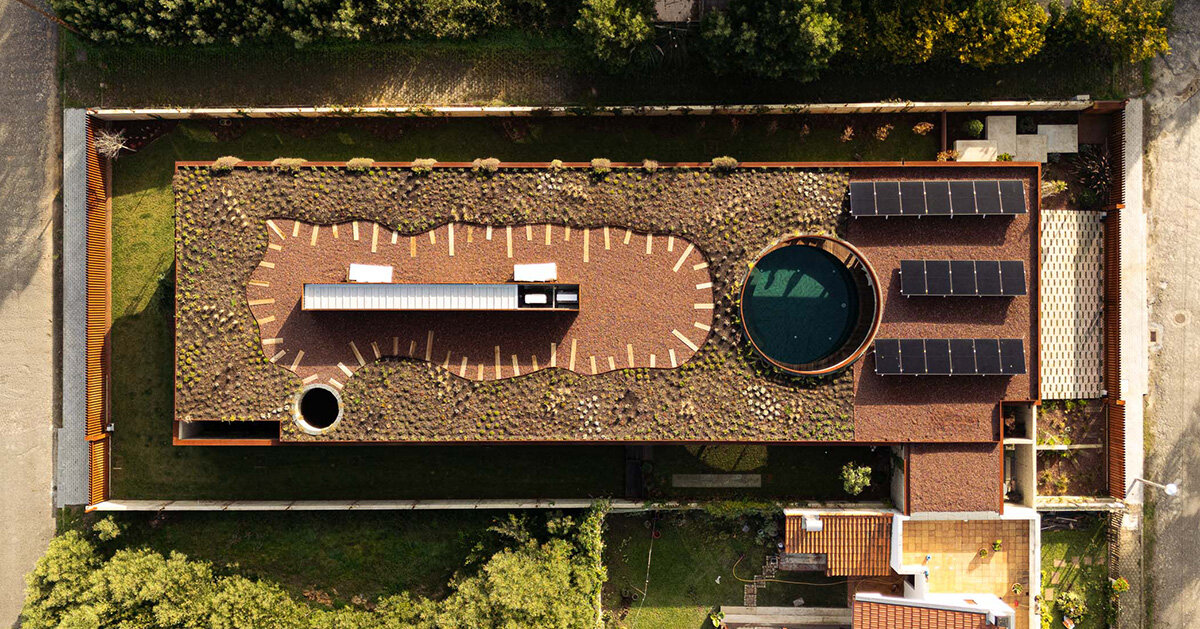
3 weeks agocircular courtyard pool opens house by pedro henrique to sky and light in portugal
Pedro Henrique Arquitecto completes Mimosa House in Portugal, a residence organized around a circular courtyard pool that anchors the home and distributes light and air throughout the interior spaces.
Renovation
fromIndependent
1 day agoMy favourite room: 'The thought of being chosen for Home of the Year went from being a joke to being a great motivator' - Inside Finbarr Collins' Stoneybatter remodel
Finbarr Collins transformed his neglected Dublin home into a contender for Home of the Year after initially tagging the show on Instagram.
Renovation
fromYanko Design - Modern Industrial Design News
1 day agoHow Architects Turned a Postwar London Terrace Into an Open-Plan Home Without Touching the Facade - Yanko Design
Islington houses are redesigned to create open, continuous spaces while maintaining the original facade and architectural integrity.
#sustainable-architecture

Design
fromdesignboom | architecture & design magazine
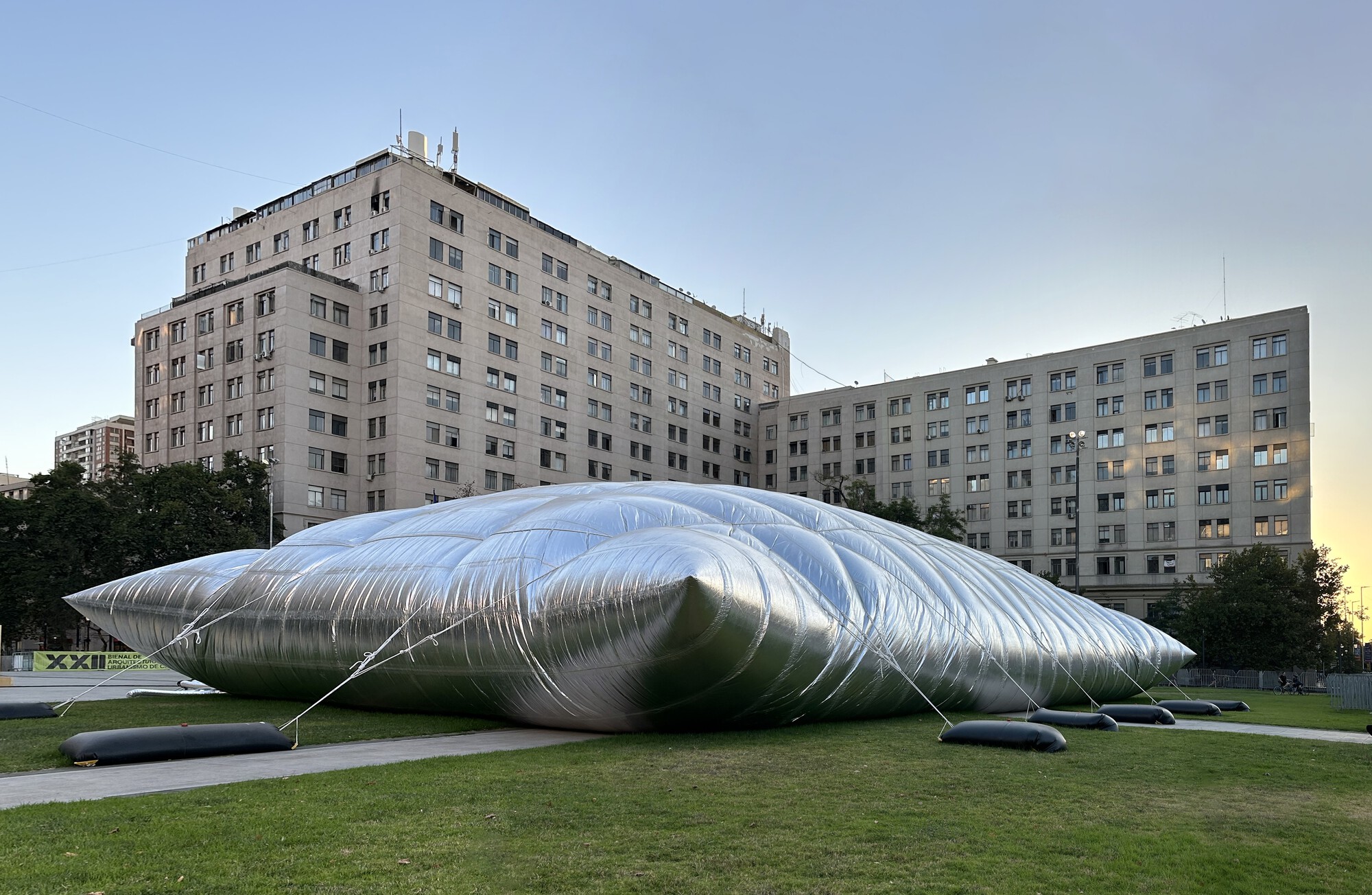
4 days agoreversible cultural pavilion activates public space in frankfurt 2026
Spain's pavilion for World Design Capital 2026 emphasizes reversible cultural infrastructure and sustainable design through innovative materials and construction methods.
fromArchDaily
1 month agoSeven Finalists Announced for the 2026 EU Mies Awards for Contemporary European Architecture
According to the jury chaired by Smiljan Radić, the finalist projects are exemplary contributions to the future of European architecture, demonstrating how the discipline can respond simultaneously to specific local conditions and broader social, cultural, and environmental challenges. The selected works range from interventions in former industrial sites, small villages, and peripheral urban areas to carefully calibrated projects within larger cities.
Miscellaneous
fromArchDaily
1 month agoHouse of Remarks / fala 171
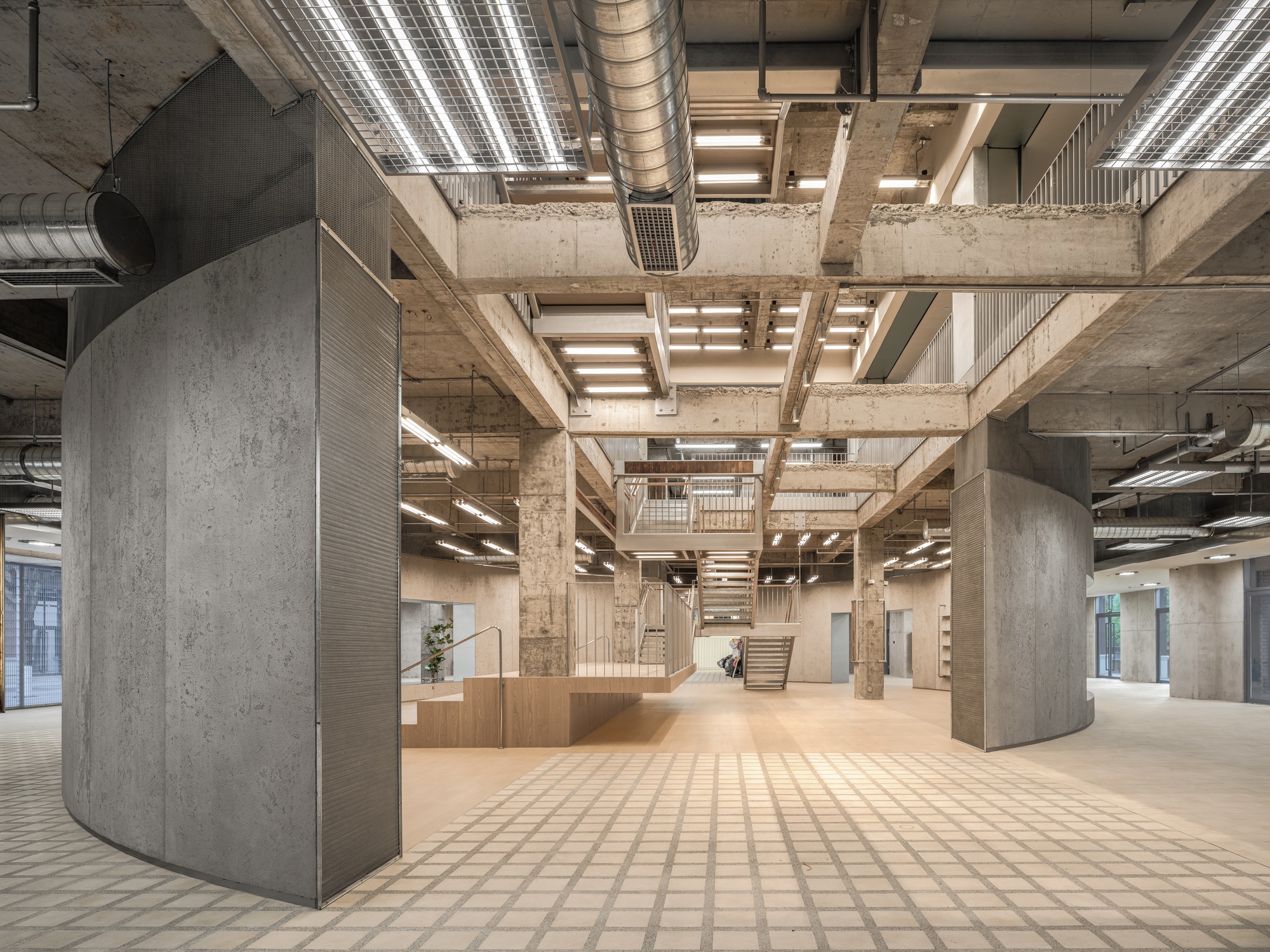
The new structure enters the existing building on its own terms. A row of thin metal poles carries an I-beam stretching from front to back. When needed, beams are interrupted. These cuts are exposed and celebrated. The new elements are painted in bright red and blue. They occupy positions within the space that are deliberately disruptive, blocking doors, windows and passages. Because of that inconvenience the structure becomes visible. It is an active participant of the space.
Remodel
fromArchDaily
2 months ago2026 EU Mies Awards Reveal 40 Shortlisted Works Across 18 Countries
The European Commission and the Fundació Mies van der Rohe have announced the 40 shortlisted works for the 2026 European Union Prize for Contemporary Architecture - Mies van der Rohe Awards, selected from a total of 410 nominations. The shortlist brings together projects from 18 countries and 36 cities, offering an overview of contemporary architectural production across Europe. Among the shortlisted works, France accounts for nine projects, followed by Spain with seven
Miscellaneous
fromDesign Milk
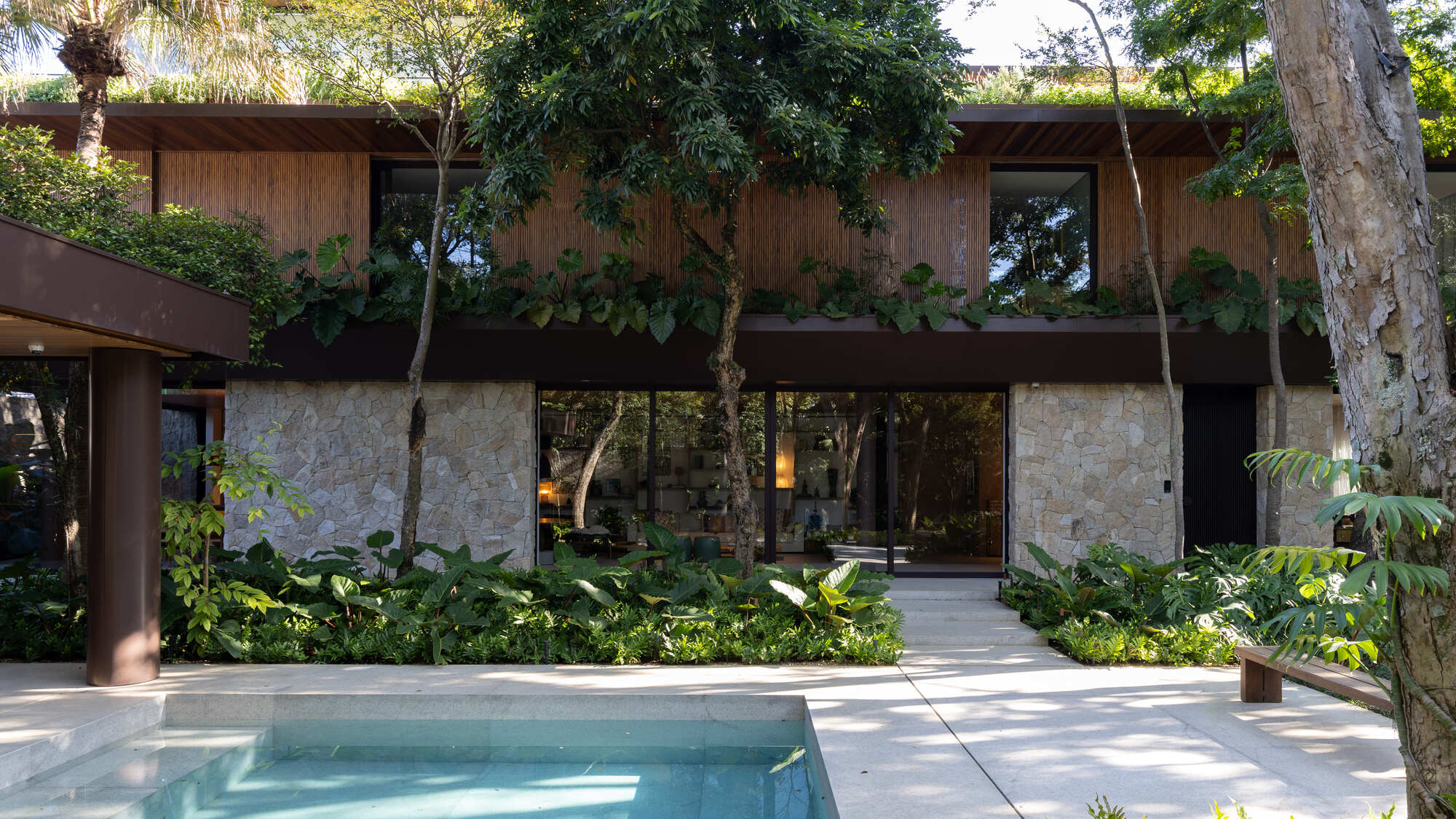
2 months agoUrban Home That Spans Only 13 Feet Wide in Sao Paulo, Brazil
Tucked into a quiet cul-de-sac near São Paulo's Ibirapuera Park, Casa MA, designed by RUA 141 arquitetura, proves that constraint can be a powerful design catalyst. With just 13 feet of frontage and a depth of just under 60 feet, the narrow lot might suggest compromise. Instead, the house unfolds as a layered, light-filled retreat shaped by movement, materials, and nature integration.
Remodel
Design
fromdesignboom | architecture & design magazine
3 weeks agopritzker prize awarded to chilean architect smiljan radic clarke
Smiljan Radić Clarke wins the 2026 Pritzker Architecture Prize for creating deeply personal, site-attentive architecture that emphasizes atmosphere, materials, and discovery.
Design
fromThe Art Newspaper - International art news and events
3 weeks agoSao Paulo pop-up exhibition spotlights spherical home by architect Eduardo Longo
The fifth edition of an annual art, architecture, and design exhibition opens in São Paulo, featuring six galleries, over 50 artists, and newly commissioned works across two landmarks including a spherical home designed by architect Eduardo Longo.
fromwww.archdaily.com
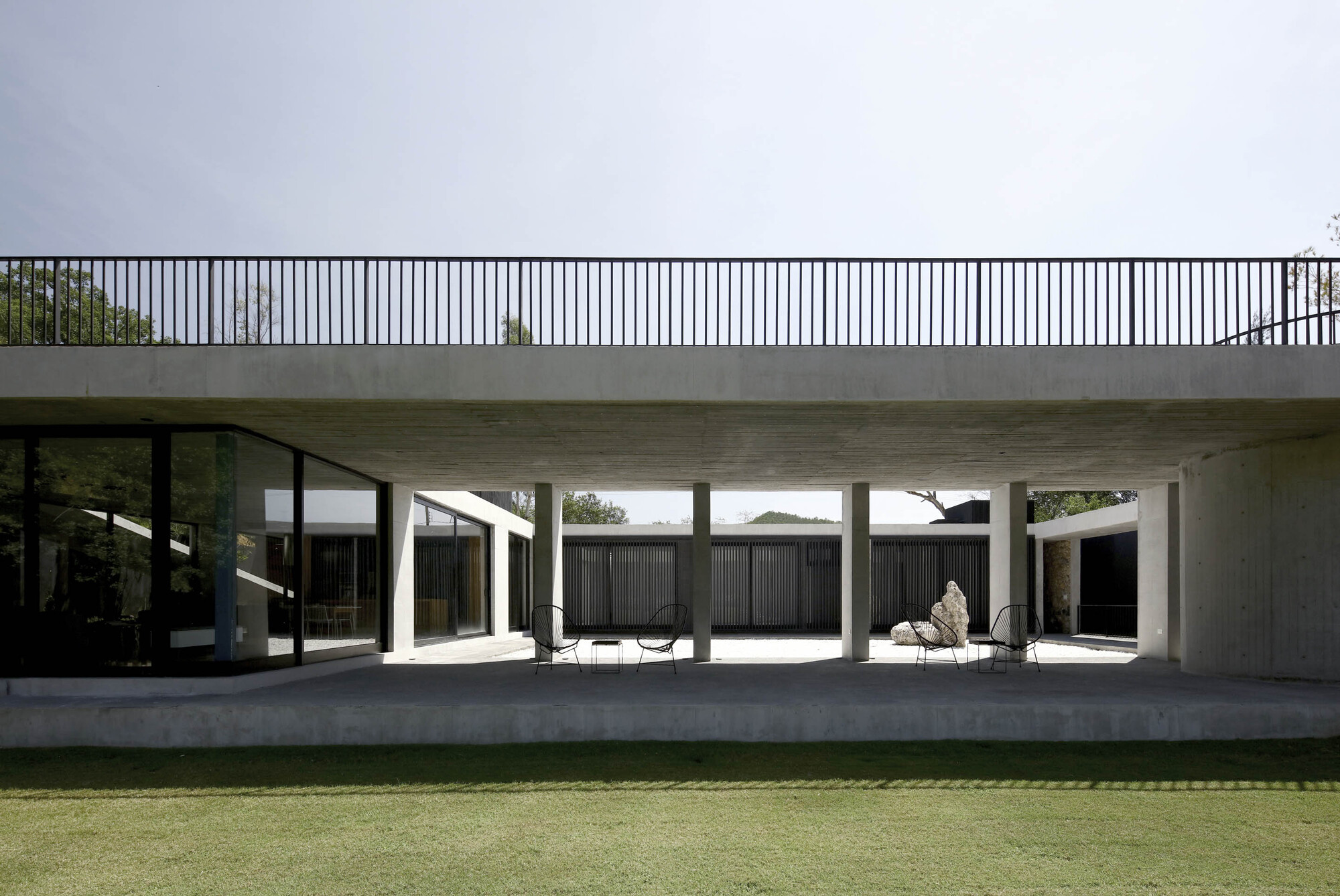
1 month agoBarao Geraldo House / Gil Mello Arquitetura
The expansion project of this residence was carried out with the acquisition of the neighboring lot adjacent to the existing residence, with its original profile and vegetation preserved. Two new buildings were proposed for this lot.
Renovation
Design
fromdesignboom | architecture & design magazine
2 months agoBUREAU assembles fragments of iconic institutions into scenography for garagem sul, lisbon
Exhibition design operates as architecture by exposing construction, reusing materials, and transforming institutional references into adaptable civic space.
fromArchDaily
1 month agoAndre Fernandes Apartment / Joao Marujo + Orlando Naj
The renovation project for this apartment aimed to enhance the spaciousness of the original 1970s floor plan, overcoming certain shortcomings through minor interventions. The scarcity of natural light and the need to expand the living areas prompted a rearrangement of the kitchen, laundry, and living room programs, as well as the connections between them. In this shift, the laundry room was relocated to the apartment's private wing.
Renovation
fromdesignboom | architecture & design magazine
2 months agoSO arquitetos builds coastal 'casa da rocha quebrada' as a grid of framed views
Casa da Rocha Quebrada by SO Arquitetos stands on the southern coast of São Miguel in the Azores, occupying the final open plot along a line of older houses facing the Atlantic. Set against lava rock and open water, the house addresses a landscape shaped by salt and wind, where buildings are designed to endure the coastal elements. The project was conceived for the parents of one of the studio's founders, a circumstance that allowed decisions to remain close to daily use and long-term inhabitation.
Design
[ Load more ]