#residential-architecture
#residential-architecture
[ follow ]
fromwww.archdaily.com
22 hours agoCity Cottage / Sans-Arc Studio
City Cottage is a home shaped by a deep affection for inner-city life - by people who know their neighbours, invest in their local fabric, and believe that cities are built as much through shared meals and conversation as they are through buildings.
Renovation
fromwww.archdaily.com
1 day agoCasa Sota la Mola / TwoBo arquitectura
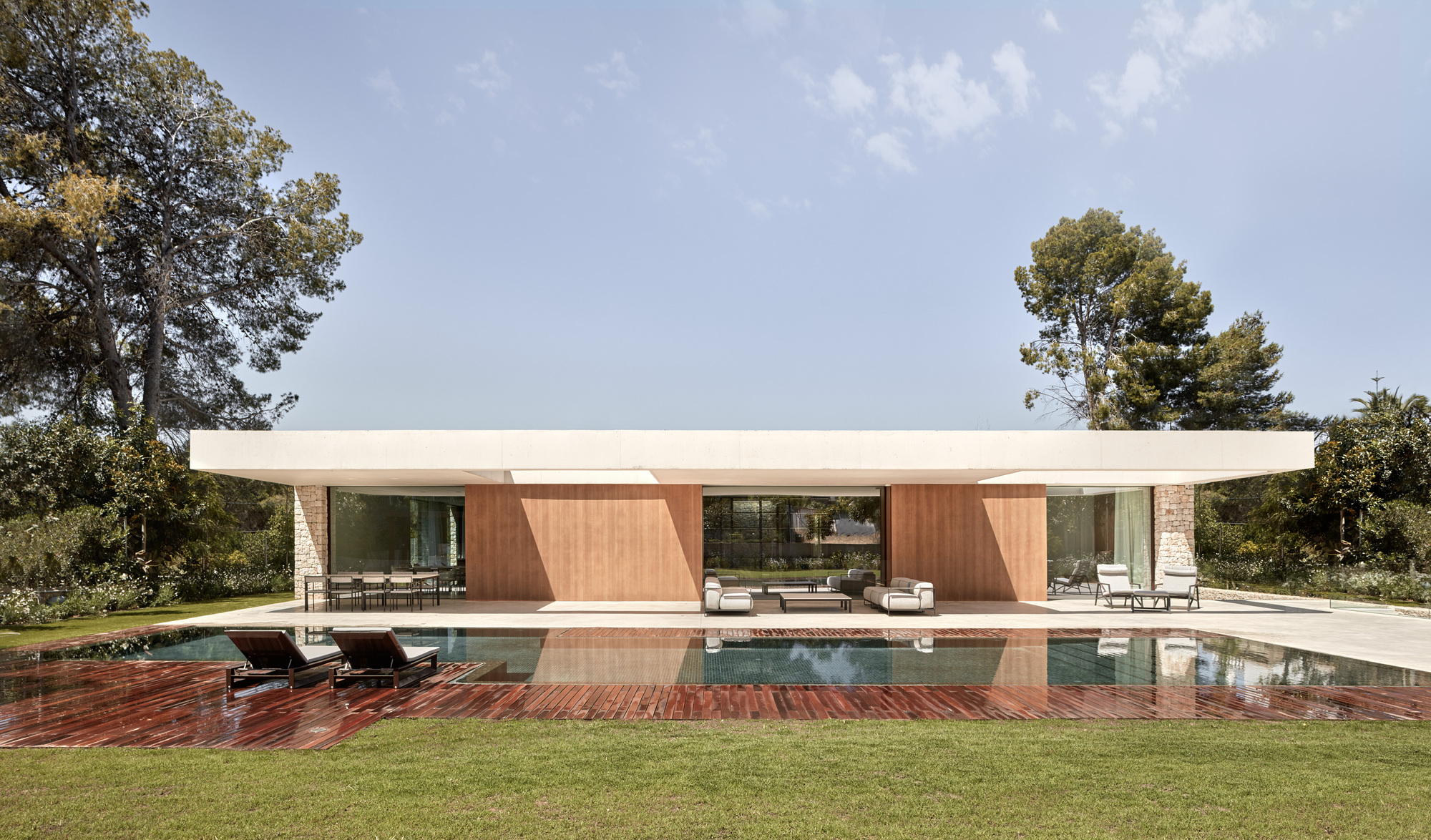
Twobo, formed by Maria Pancorbo, Alberto Twose and Pablo Twose, presents Casa Sota la Mola. Situated in Matadepera, at the foot of the Sant Llorenc del Munt i l'Obac Natural Park in Barcelona, the project is rooted in a careful reading of its surroundings and designed to blend unobtrusively with the characteristic red hues of the landscape.
Barcelona
fromYanko Design - Modern Industrial Design News
3 days agoThis Quebec Home Doesn't Fight the Forest - It Disappears Into It - Yanko Design
“Designed with particular attention to simplicity, functionality, and respect for traditional codes, La Maraude embodies a successful dialogue between contemporary architecture and local traditions,” says Nathalie Thibodeau Architecte.
Renovation
fromwww.archdaily.com
3 days agoVallarta Forest House / Diaz Webster Arquitectura
Located in a residential subdivision to the west of Zapopan, Casa Bosques Vallarta emerges as an exercise in synthesis and functionality, where volumetric sobriety and connection to the outdoors guide the design.
Renovation
Renovation
fromYanko Design - Modern Industrial Design News
3 days agoInside the Log-and-Glass Home Olson Kundig Built for a Builder on Salt Spring Island - Yanko Design
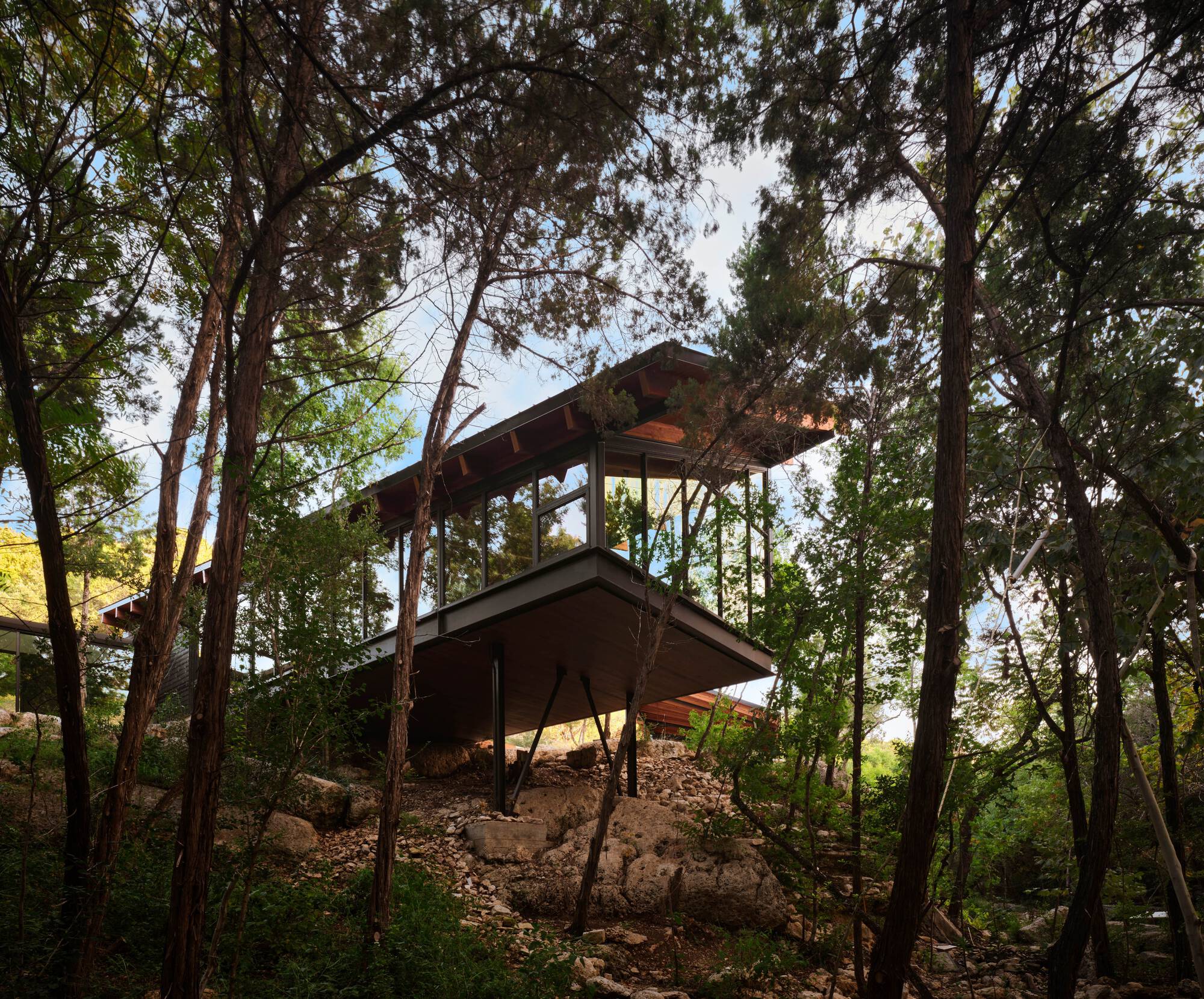
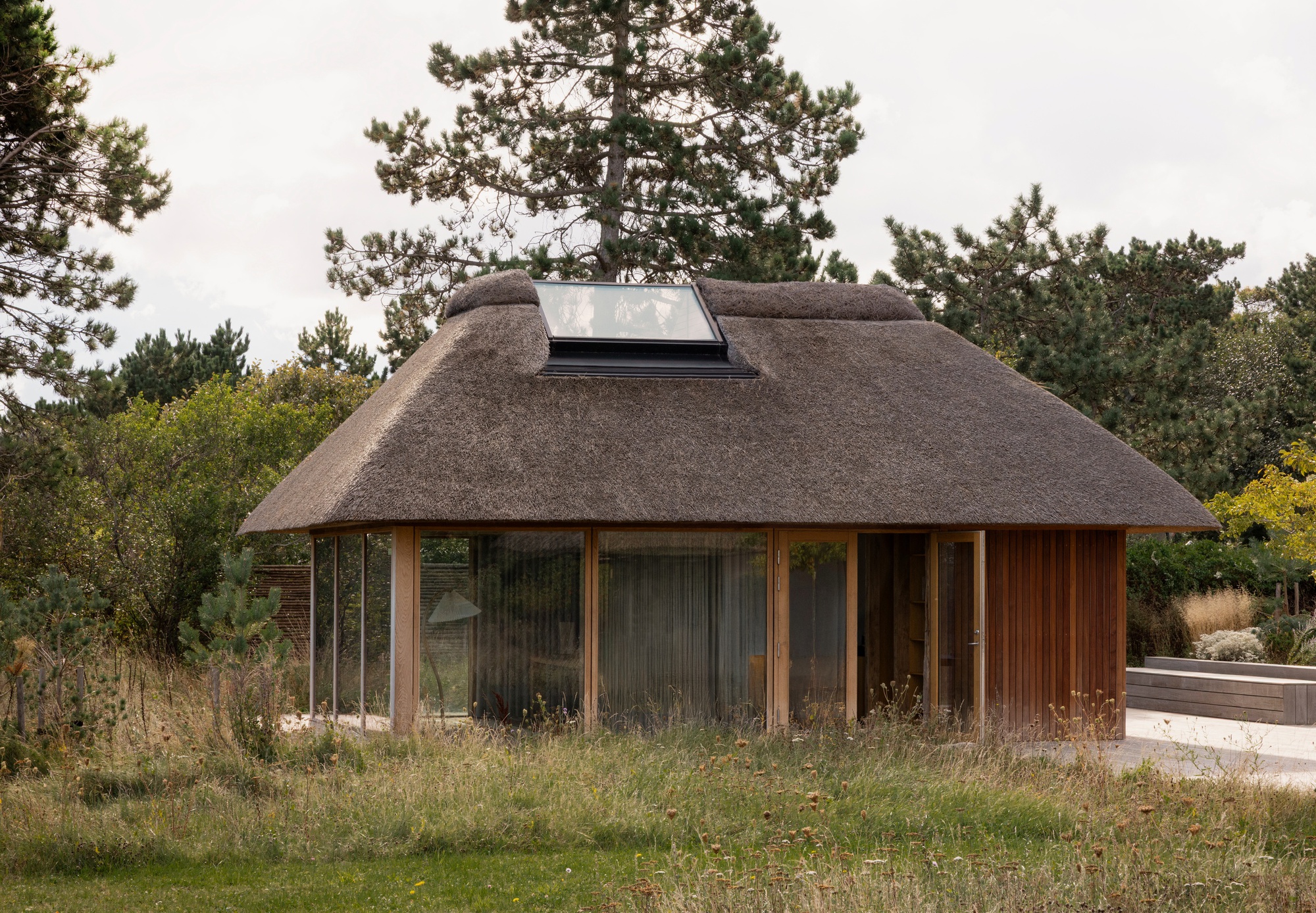
A rugged glass-and-log residence on Salt Spring Island balances privacy and landscape connection through layered materials, cantilevered shelter, and a linear plan.

fromwww.archdaily.com
1 week agoNorthview Point Apartments / Brooks Scarpa Huber
Northview Apartments eschews the typical neighborhood defensive apartment buildings with solid walls and fences in favor of a carved-out central court, a beacon in the neighborhood that celebrates social space by de-emphasizing private space.
Renovation
fromwww.archdaily.com
3 weeks agoPom - Two Residential Buildings Block III / zanderroth
The ensemble of two residential and commercial buildings at Alten Markt enhances the urban landscape, providing a modern architectural solution adjacent to historical landmarks like St. Nicholas' Church and Potsdam City Palace.
Renovation
fromwww.archdaily.com
1 month agoFarmers' Assembly / Lousinha Arquitectos
The former Assembleia da Granja occupies an entire block in the centre of Praia da Granja. Built in the late 19th century, it emerged from the summer life of the time and became a reference point in the social landscape of the place.
Renovation


fromwww.archdaily.com
1 month agoHouse in Tamba / MIDW
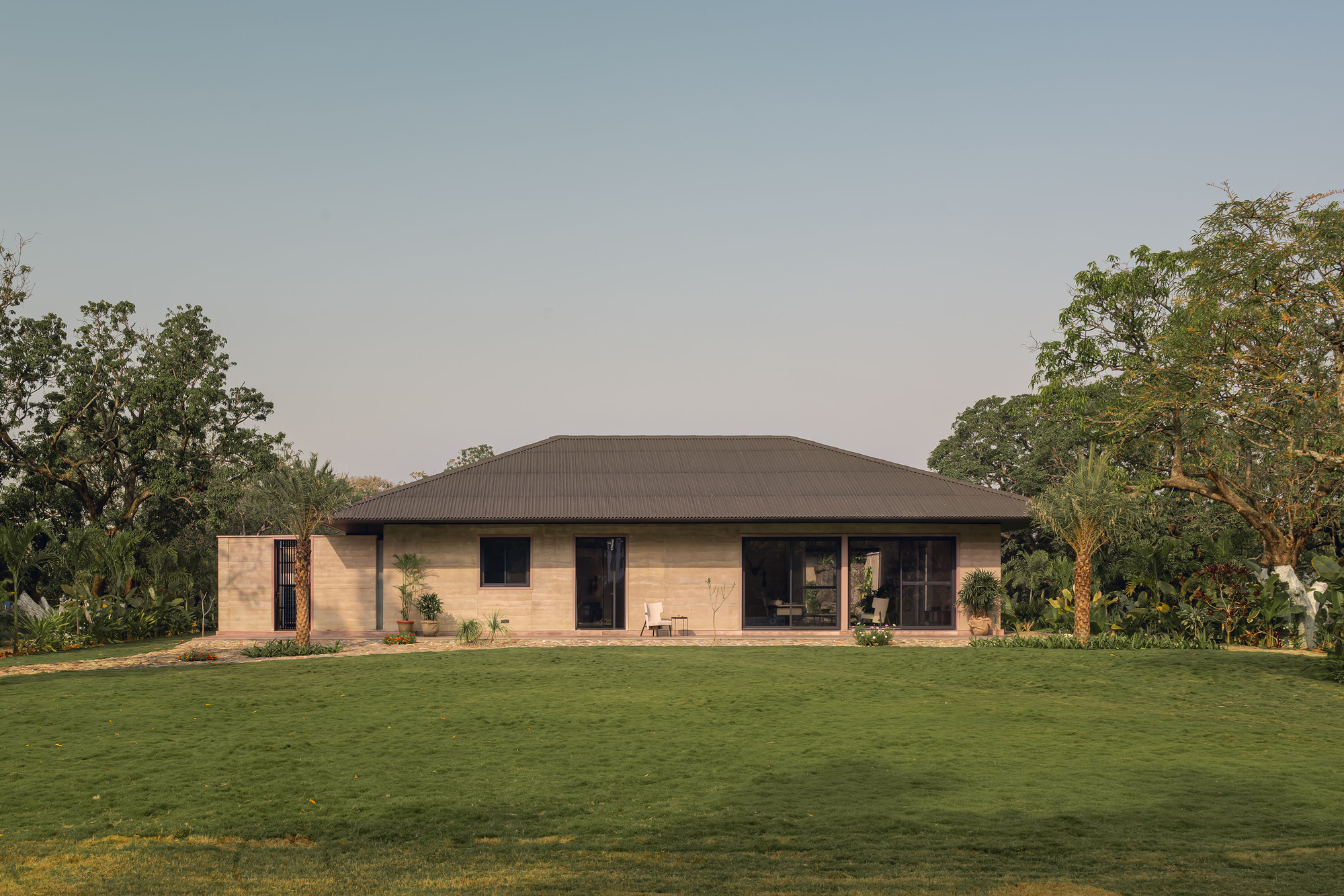
The site lies in a small mountain town. Along its northern edge, a natural slope carved out during land development remains exposed, now overgrown with wild vegetation and supporting a modest ecosystem. Subtle shifts in the site's topography suggest a faint continuity with the distant fields and village landscape.
Renovation
fromwww.archdaily.com
1 month agoLiten Hytte House / Bohlin Cywinski Jackson
Liten Hytte is located on the shore of Lake Michigan, near the Sleeping Bear Dunes National Lakeshore. The area is a popular summer destination, with modest clapboard cabins and cottages within easy walking distance of the pristine beaches and clear waters of the lake.
Renovation
Renovation
fromArchDaily
1 month agoRenovation and Continuity in Japanese Architecture: The Work of 1110 Office for Architecture
1110 Office for Architecture addresses societal and environmental transformation through careful residential renovations and precise spatial interventions that balance change with enduring elements.
fromwww.archdaily.com
1 month agoHouse in Umenoki / Hidekazu Kishi Architects
This is a house for the designer himself and his family. The site is adjacent to a long-established community center on the north side, while the surrounding area is an old settlement where signs of gradual residential development and generational change can be seen.
Renovation
Renovation
fromdesignboom | architecture & design magazine
1 month agowhite perforated cubic facade wraps hybrid home and studio around a tree in brazil
Casa Branca integrates living and working spaces around an existing tree, using local materials and regional design practices within Northeast Brazil's tropical environment.
fromwww.archdaily.com
1 month agoTorrao House / Nommo Arquitetos + Luana Barichello
The human being, while inhabiting, is a being that dwells. The lived house carries the notion of belonging and reveals the essence of those who reside within it. It is here that relationships are built, dreams are projected, and memories and imaginaries are evoked.
Design
Renovation
fromdesignboom | architecture & design magazine
1 month agotwo intersecting volumes of black concrete carve mavra house into the mexican landscape
Casa Mavra in Valle de Bravo features two angular black concrete volumes designed by TAC Taller Alberto Calleja, organized as intersecting forms that connect interior spaces with the surrounding landscape through continuous walls and controlled openings.
Design
fromwww.archdaily.com
1 month agoCasa Branca / NEBR arquitetura
A 150 m² residential project in Pernambuco's Zona da Mata region balances poetic contrast with the Atlantic Forest environment, rejecting conventional formulas while respecting local tradition and revealing new architectural nuances.
Renovation
fromdesignboom | architecture & design magazine
1 month agocircular courtyard pool opens house by pedro henrique to sky and light in portugal
Pedro Henrique Arquitecto completes Mimosa House in Portugal, a residence organized around a circular courtyard pool that anchors the home and distributes light and air throughout the interior spaces.
fromArchitectural Digest
2 months agoThe Insider Sources and Craftspeople Behind Athena Calderone's Home
My ambitions to explore a new era of design were kind of haunting me. I wanted to see what was next for me creatively. And with that, Calderone kicked off a very personal project in Manhattan that sent her deep down the Art Deco rabbit hole.
Renovation
fromwww.archdaily.com
2 months agoNancy Social Housing / ABC Studio
In Maxeville, next door to the eastern French city of Nancy, ABC delivers 20 social housing units for seniors on the Haut-du-Lievre plateau, known for Zehrfuss's once-longest-in-Europe housing block and its panoramic tower, now entering its final winter as Lorraine's tallest.
France news
Renovation
fromColossal
2 months agoIn Paraguay, Architecture Doesn't Come at the Expense of Nature at 'Un Bosque en La Casa'
A contemporary home in Paraguay integrates existing trees as design guides rather than obstacles, creating a harmonious blend of modern architecture and natural forest environment.
#topographic-design
Renovation
fromYanko Design - Modern Industrial Design News
2 months agoA House In Ecuador That Climbs the Land Instead of Changing It - Yanko Design
La Miradora in Ecuador's highlands uses natural terrain to shape its design, with wooden ribs as the primary structural system that adapts to the slope while providing shelter and framing views.
fromwww.archdaily.com
2 months agoMain Ridge House / Porebski Architects
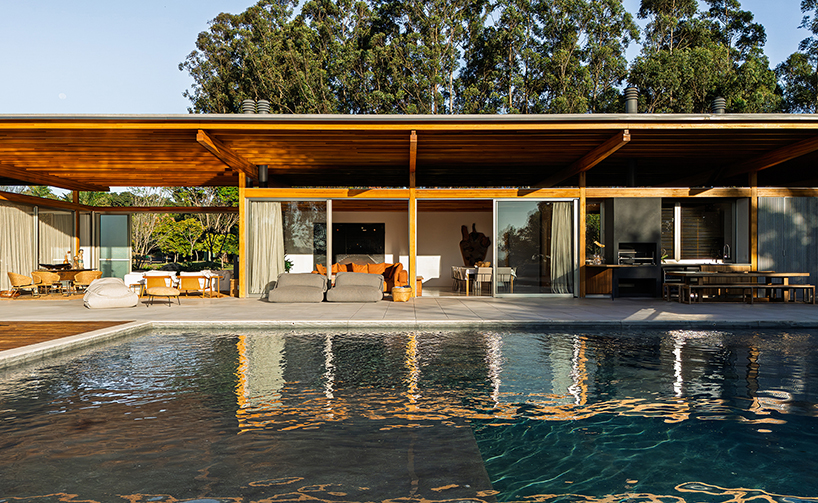
This timber-framed house, designed as a second home for longstanding Sydney clients, complements their newly acquired vineyard at Main Ridge. Rooted in a 20-year relationship, the project is rich in personal connection and shared vision.
Design
Renovation
fromYanko Design - Modern Industrial Design News
2 months agoA Forgotten Modernist's Sonoma Masterpiece Finally Gets the Restoration It Deserved - Yanko Design
A 14-acre Sonoma County estate designed by architect J. Lamont Langworthy exemplifies California Modernism through site-sensitive design that integrates architecture organically with its natural environment.


Renovation
fromArchDaily
2 months agoHeatherwick Studio Unveils Design for Daegyo Apartments Redevelopment in Seoul, South Korea
Heatherwick Studio transforms four 1975 Seoul apartment buildings with nature-inspired undulating rooflines, replacing 576 units with 900 homes while incorporating community facilities and public spaces.
fromwww.archdaily.com
2 months agoLa Montse and Manel's House / OBO Estudi
The building is located on a plot close to the urban center of Sant Esteve de Palautordera, near the Montseny Natural Park. Despite being in a privileged environment, the urban conditions of the area allow for little separation between homes, and the developers request a single-story construction.
Renovation


Silicon Valley real estate
fromLos Angeles Times
31 years agoAT HOME : Charming Coastal Area Packs Them In : Corona del Mar: Despite small lots and high home prices, community of older beach homes is one of the most desirable in Southland.
Corona del Mar's real estate market commands premium prices, with homes in the mid-$700,000s and higher, reflecting Southern California's expensive coastal housing market despite small lot sizes and close proximity to neighbors.
Renovation
fromdesignboom | architecture & design magazine
2 months agoconcrete and timber converse in osaka residence through an interplay of solid and void
An Osaka residence adapts to an irregular three-sided plot through layered volumes and alternating solid-void articulation, balancing street integration with domestic privacy.
LA real estate
fromLos Angeles Times
9 years agoActor Tobey Maguire seeks $3 million for micro-compound in Santa Monica
Tobey Maguire and Jennifer Meyer list their Santa Monica compound for $2.995 million, featuring a renovated 1920s main house, a two-story studio, and a gym on drought-tolerant grounds.
Miscellaneous
fromwww.archdaily.com
2 months agoShahrak Villa / Next OfficeAlireza Taghaboni
A residential villa reinterprets the pitched-roof typology by maintaining visual familiarity while extracting new spatial possibilities through architectural transformation rather than rejection of established conventions.
NYC real estate
fromArchEyes
2 months agoSutton Tower by Thomas Juul-Hansen: 847-Foot Limestone Skyscraper in NYC | ArchEyes
Sutton Tower reconciles contextual preservation with vertical development through bifurcated massing and articulated limestone facade in Manhattan's historically low-rise Sutton Place neighborhood.
fromwww.archdaily.com
2 months agoVilla 1028 / Kanisavaran Office
The building started its growth from the central core, which was a meeting place for common living between nature, building, and people. This construction never caused nature and building to create a border for each other; only the borders in the east and west were created, not to separate from nature but to stay in nature, the borders dictated by the climate.
Miscellaneous
fromwww.archdaily.com
2 months agoValckensteyn - Timber Residential Building / Powerhouse Company
Valckensteyn, the first mass timber residential building in Rotterdam, has been officially delivered. Designed by Powerhouse Company and commissioned by housing corporation Woonstad Rotterdam, the project merges innovative timber construction with a strong social mission: providing 82 affordable rental homes in an iconic post-war district.
Renovation
fromwww.archdaily.com
2 months agoGeorgian Bay Beach House / &Pierre
House on Georgian Bay, a 3,780 sq. ft. (350 m) year-round residence designed to replace a beloved but aging family cottage with a home intended to endure for generations. Grounded in principles of aging in place and long-term livability, the project reinterprets the traditional Georgian Bay cottage through a contemporary architectural lens.
Miscellaneous
Design
fromYanko Design - Modern Industrial Design News
2 months agoThis Iconic Australian Bush House Just Hit the Market for the First Time in Over 40 Years - Yanko Design
The Ball-Eastaway House, a Pritzker Prize-winning architect Glenn Murcutt's first residential use of corrugated iron, is listed for AUD 2.4-2.6 million after 41 years of private ownership.
Design
fromYanko Design - Modern Industrial Design News
2 months agoThis Dark Timber House Disappears Into a Norwegian Forest - Yanko Design
The Solem Forest House demonstrates restrained architectural design that harmonizes with its forest environment through dark timber cladding and a cross-gabled roof that integrates the second floor within its volume.
fromLos Angeles Times
36 years agoSouthland Homes Dominate Judging for 'Best in West'
With 886 entries, the Gold Nugget is the biggest regional competition in the nation, said Pete Mayer, judging chairman and producer of the show. But it was design--not price--that guided the panel of 14 home building and design experts who were judges in the 'Gold Nugget' competition at the annual Pacific Coast Builders Conference.
LA real estate
fromwww.archdaily.com
2 months agoHouse in Santiago / S-AR
La Villa de Santiago is a colonial town located 37 kilometers from the city of Monterrey. Every week a large number of visitors come to enjoy the different natural scenarios held in this part of the Sierra Madre Oriental. Rivers, waterfalls and forests are a perfect place to practice canyoning, climbing and trekking. Traditionally many weekend residences and cottages are located here.
Design
fromwww.archdaily.com
2 months agoSestajovice House / mackovic architecture
Alexandra Timpau + 14 Category: Residential Architecture, Houses Design Team: Cyril Pederencino, Dominika Cizmarova Technical Team: Jakub Killnar, Vaclav Losik Office Lead Architects: Jan Mackovic General Contractor: Rembrandt Homebuilders More SpecsLess Specs Alexandra Timpau Text description provided by the architects. Soft southern light and a carefully considered site
Design
Design
fromdesignboom | architecture & design magazine
2 months agonivan sky gardens by studio symbiosis convert penthouses into vertical forest in hyderabad
Nivan Sky Gardens embeds modular, inhabitable garden terraces into staggered towers to create a self-sustaining, cultivated vertical forest that re-centres nature in high-density living.
Design
fromdesignboom | architecture & design magazine
2 months agonaf architect & design peels back the perimeter of tokyo house to reveal curved inner facade
Wall Ajar House uses a continuous perimeter wall and horseshoe courtyard to connect a compact Tokyo lot with surrounding greenery and bring controlled daylight inside.
fromwww.archdaily.com
2 months agoBeit Hawa / Badie Architects
Beit Hawa, is a residential project in Uptown Cairo shaped by the ethos of morphosis, where the interior architecture functions as an adaptive system rather than a static arrangement. The design moves away from rigid modernist typologies, employing fluid spatial sequences that negotiate transitions between private and public zones. Surfaces and volumes are defined through layered materiality, integrating light, texture, and structural clarity into a coherent spatial syntax. Circulation operates as a generative element, creating smooth shifts that dissolve conventional boundaries between functions.
Remodel
fromwww.archdaily.com
2 months agoIronbark House / Not All Architecture
Set within a coastal bushland landscape, Ironbark House forms a retreat from the complexities of contemporary life. The clients' aspirations focused on connectivity for their busy family of five and a relationship to the landscape. The architecture is intended to assimilate into the landscape's strong presence, the large span openings, and 'as local as possible' materials form this strong connection.
Design
[ Load more ]