#feminist-thriller
#feminist-thriller
[ follow ]
#feminism #literature #identity #social-media #misogyny #queer-cinema #asian-representation #family-dynamics
fromSlate Magazine
1 day agoShe Taught Women How to Orgasm. Decades Later, Her Impact Can Still Be Felt.
Hite learned early on that women walk a sexual tightrope: 'If you had too much sex, you could be shunned like her mother was; if you didn't have enough, you could be deserted like her grandmother.'
Books
fromApaonline
6 days agoOn the Insufficiency of Current Gender Equality Policies in Academia and the Necessity of a Cultural Shift
In 2021, women held only 28% of professorships in higher education and research institutions, even though they comprised 48% of PhD students, according to data gathered from a sample of 900 EU and non-EU institutions.
Philosophy
LGBT
fromInside Higher Ed | Higher Education News, Events and Jobs
2 weeks agoAcknowledgment of Violence Against Black Trans Girls, Women
Legislative actions increasingly target transgender rights, particularly affecting Black women and girls, compounding their vulnerability to violence and discrimination.
Television
fromBustle
4 weeks agoKerry Washington's New Thriller May Have A Shocking Twist
Apple TV's Imperfect Women follows three women navigating an affair and murder, exemplifying the 'good for her' genre where morally gray female characters make questionable choices in response to difficult circumstances.
Higher education
fromNature
4 weeks agoHow I turned online misogyny about my PhD into momentum for my career
A female PhD graduate faced severe online misogyny after celebrating her degree, revealing that women academics are uniquely targeted for sharing professional accomplishments regardless of their field.
Books
fromenglish.elpais.com
2 weeks agoFrankenstein, Jane Eyre and Snow White with a gender-based perspective: The Madwoman in the Attic' and the beginning of feminist literary criticism
The new edition of 'La loca del desvan' revives feminist literary criticism, highlighting the relevance of women's voices in literature today.
Arts
fromwww.jezebel.com
1 month agoThere's Not Enough Women Beheading Men in Art Anymore
Renaissance art frequently depicted women beheading men in biblical scenes, particularly Judith and Holofernes and Salome with John the Baptist's head, representing a powerful artistic tradition largely absent from contemporary art.
Medicine
fromwww.theguardian.com
1 month agoA very paternalistic attitude': why is female desire still not taken seriously?
Flibanserin, a drug treating low female libido, faced regulatory obstacles and societal resistance despite clinical promise, revealing systemic barriers to female sexual health treatment.
fromwww.theguardian.com
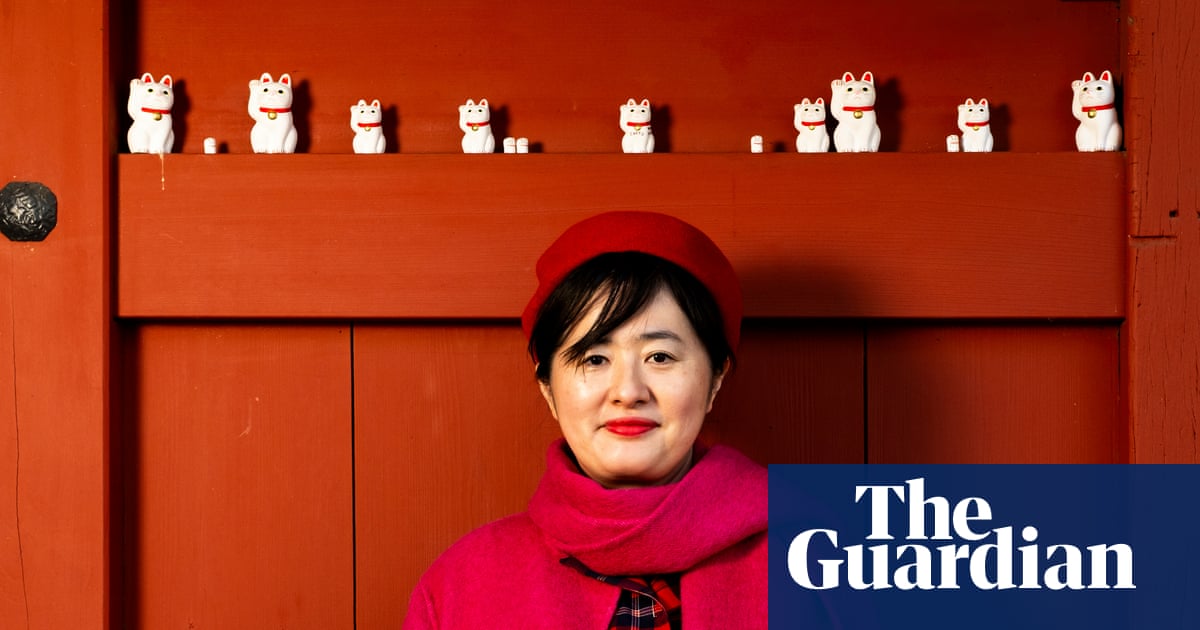
1 month agoWouldn't life be easier if I were white?': inside a provocative race-swap body horror
It was the first time I felt genuinely unsafe here, she says. Alongside a growing fear, childhood memories resurfaced—the internal and external racism and the exhaustion of never quite fitting in. I moved to Australia when I was seven and didn't speak English—it was a tough time for me, she admits. And then there was one particular recurring thought. There were many times when I'd wake up as a teenager and think to myself: Wouldn't life be easier if I were white?
Film
Film
fromwww.theguardian.com
1 month agoWhy Black women playing villains on screen still feels controversial
Teyana Taylor's Golden Globe-winning role as morally ambiguous character Perfidia Beverly Hills in One Battle After Another has sparked debate about representation of Black women in Hollywood, with critics arguing the film reinforces stereotypical portrayals.
Women
fromSilicon Canals
1 month agoPsychology says the true crime audience is overwhelmingly women not because women are morbid but because women are the primary targets of the crimes being described - and learning the patterns isn't entertainment, it's threat intelligence dressed up as a podcast - Silicon Canals
Women's high consumption of true crime content represents threat assessment and safety education rather than morbid entertainment preference.
fromScary Mommy
3 weeks agoWhy Do Women Love Romance Tropes That Would Be Red Flags IRL? Experts Explain
On the page, we have total control - we see what's happening inside the character's mind, the narrative is designed to have a safe outcome, and there are no real-world repercussions. This allows us to safely explore strong emotions such as danger, obsession, or dominance. Often, these scenarios present these actions with emotional intensity, vulnerability, or chemistry, which can make them feel incredibly exciting and romantically charged, even though intellectually, we understand that these scenarios would not be appropriate.
Books
Women in technology
fromFast Company
1 month agoWhy 'bringing your whole self to work' is a trap, especially for women
Workplace 'whole self' culture celebrates authenticity rhetorically while rewarding conformity behaviorally, creating contradictions that disproportionately disadvantage women and people of color within systems shaped by masculine, white, middle-class norms.
fromwww.theguardian.com
2 months agoThe best recent crime and thrillers review roundup
Obnoxious jewellery dealer Rodney Manderson has been killed outside the Bowery auction rooms, stabbed through the eye with the Victorian hatpin that his boss, Rose Bowery, has brandished in front of the nation on Bargain Hunt. As she discussed the pin's virtues as a deadly weapon as well as its millinerial uses, the fiercely loyal Rilke decides while feeling grateful to have skipped lunch and trying not to think of jelly to remove it before calling the police.
LGBT
fromBuzzFeed
1 month ago26 Social Burdens Women Shoulder That Are Completely Exhausting
Putting on makeup. Like, we're supposed to disguise ourselves; otherwise, people think we didn't take this outing seriously, didn't care enough, or didn't act professionally. In some ways, beauty standards are social obligations. Keeping up with nails, clothes, hair, etc., that's almost an expectation in some relationships.
Women
Books
fromwww.theguardian.com
1 month agoSusan Choi and Katie Kitamura among authors longlisted for Women's prize for fiction
Sixteen authors including Katie Kitamura, Susan Choi, Kit de Waal, and Lily King are longlisted for the Women's Prize for Fiction, a prestigious annual award worth £30,000 recognizing excellence in women's writing.

fromKqed
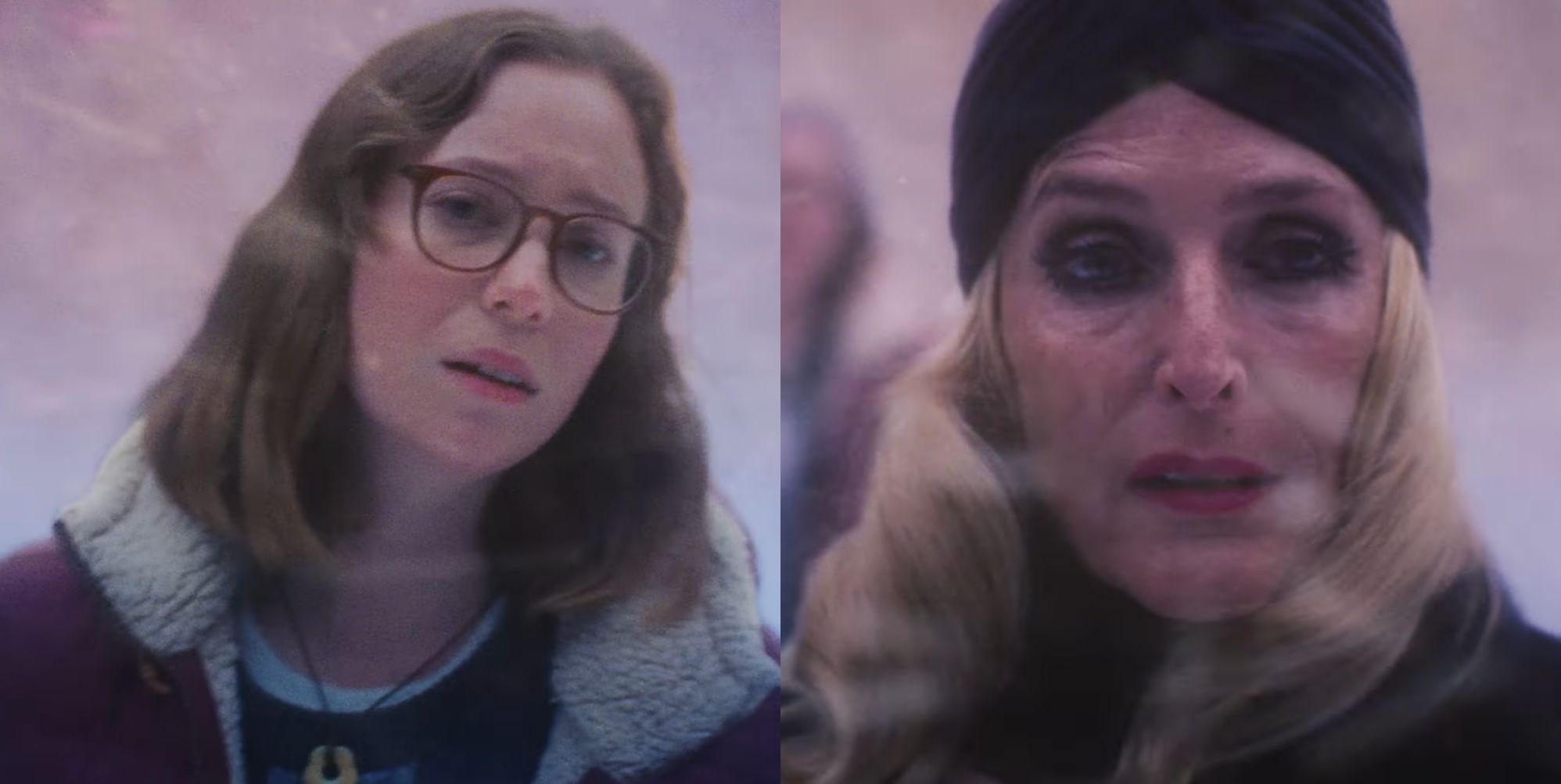
1 month agoA Novel Tracks the Fallout of Free Love, and the Girls Who 'Went Away'
In 1968, a "good girl" is squeaky clean. She studies hard, follows the rules, gets into college and doesn't embarrass her parents. She doesn't lie or drink or do drugs. She doesn't participate in the Summer of Love or experiment with any of its alternative ways of living. She definitely doesn't have premarital sex, get pregnant and upend everyone's meticulously laid plans for her future.
Books
fromwww.theguardian.com
2 months agoWhat We Hide review opioid-crisis thriller sees sisters pick up the piece and hide their mother's dead body
A fatally overdosed mother called Jacey is unceremoniously bundled into a trunk at the start of this southern US-set drama; the uncredited actor who plays her should probably have a word with her agent, as the role is surely in contention for a world record as the least likely to boost your career. Jacey is just one of the drug casualties littering director Dan Kay's underpowered film about the US's super-strength opioid crisis, as her two bereaved daughters desperately tread water in the aftermath.
Film
Books
fromJezebel
1 month agoCross Ballerina Farm with 'Rosemary's Baby' and You Get the New Novel 'Trad Wife'
Saratoga Schaefer's novel reimagines forced pregnancy horror by having the protagonist actually birth and parent demon spawn, subverting traditional tropes while exploring reproductive autonomy through a supernatural lens.
Books
fromThe Atlantic
1 month agoWhen Did Literature Get Less Dirty?
Philip Roth's Zuckerman Unbound functioned as a response to the controversial reception of Portnoy's Complaint, with Roth's protagonist expressing regret over writing sexually explicit material that drew accusations of anti-Semitism and misogyny.
fromMedium
4 years agobell hooks saved me
bell hooks saved me. I say that in all sincerity. At a critical time in my life, when I was at my lowest point, it was bell hooks, through her books, who pulled me out of a hole of profound depression and set me on a path of self-renewal on which I have remained ever since. Newly divorced with two very young sons, I was determined to give a better fatherhood experience than the one I had.
[ Load more ]