#gardening-metaphor
#gardening-metaphor
[ follow ]
#gardening #sustainability #plant-care #gardening-tips #urban-gardening #home-gardening #mental-health

fromArchitectural Digest
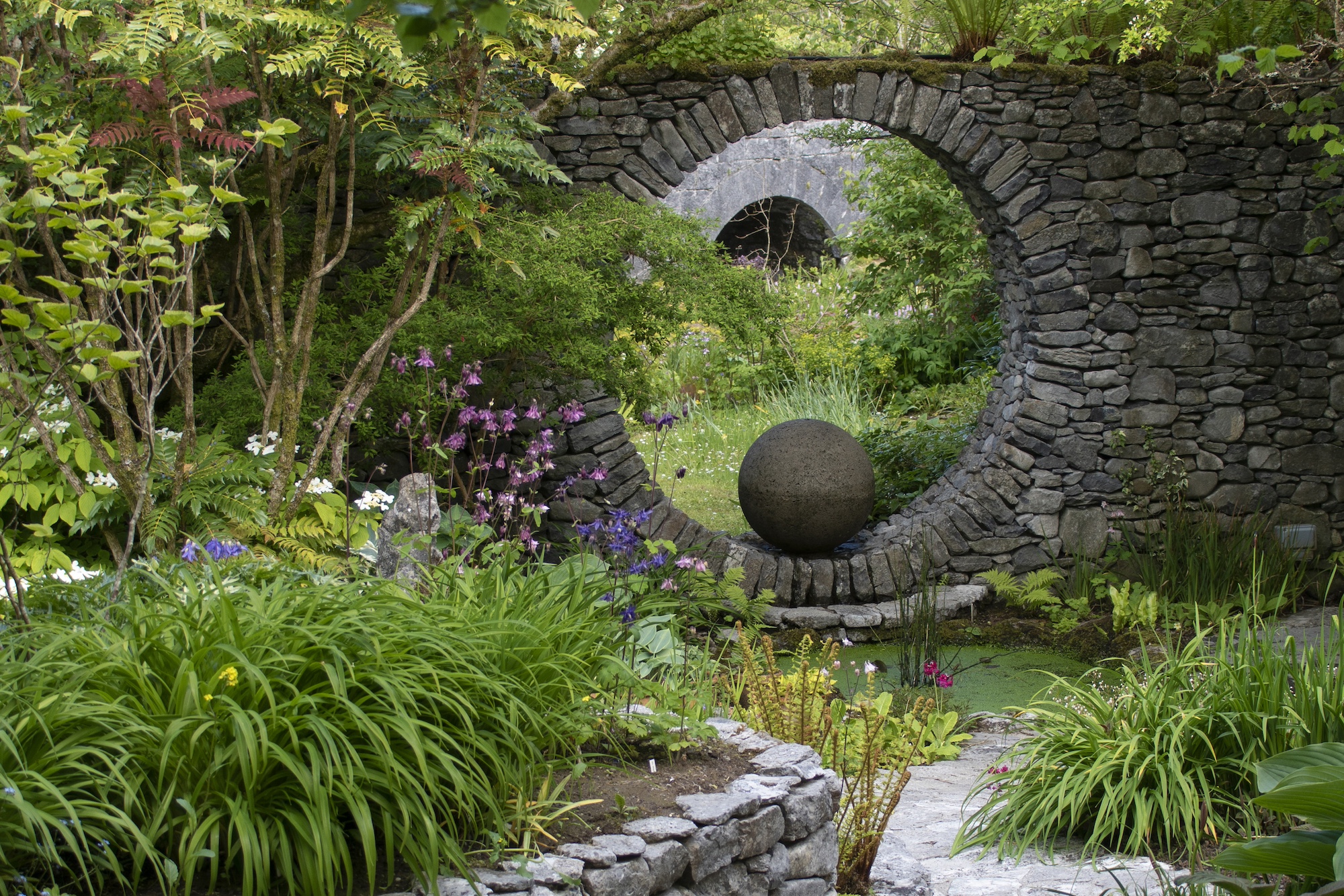
3 years ago51 Landscaping Ideas to Give Your Backyard a Summer Refresh
"There's no one size fits all," says Nate Fox, cofounder-along with his brother Justin-of Santa Ana, California-based luxury landscape architecture firm Foxterra Design. "Do you want a swimming pool? Do you entertain? Do you want to create a sanctuary? It all hinges on understanding how you live."
Remodel



fromBig Think
1 week agoEverything you eat is sunlight. Scientists want to cut out the middleman.
To fuel our bodies, we must eat other living things, killing them in the process. However, most plants and algae are autotrophs. They bootstrap their biomass without the barbarism of eating others: using photosynthesis, turning sunlight, water, and carbon into energy.
Philosophy
fromTasting Table
1 week ago10 Cheapest Fruits To Grow In Your Garden This Year - Tasting Table
When considering the cheapest fruit to grow, you want something that's high-yielding, low-maintenance, and ideally fast-growing. Cheap can also be relative - if a fruit is generally affordable and available in stores, it's probably not worth the effort and garden space to grow it yourself.
Agriculture
fromwww.theguardian.com
2 weeks agoA messy garden is a glorious garden. We need to stop tidying, titivating and paving them over | Emma Beddington
The industrious buzz of bees tackling the dregs of cherry blossom was lawnmower-loud, accompanied by back off peeps from blackbirds nesting in the ivy.
London politics
fromwww.theguardian.com
6 days agoCountry diary: The quiet vitality of a well-managed churchyard | Phil Gates
Helen Whittaker's vibrant stained glass Paradise window celebrates the quest of the Irish traveller St Brandon, better known as St Brendan, who spent a lifetime searching for an earthly Garden of Eden.
Renovation
fromwww.theguardian.com
3 weeks agoHouseplant hacks: do eggshells deter fungus gnats from laying eggs?
Crushed clean, dry eggshells, when scattered over the soil, are intended to stop adult gnats from laying eggs and potentially add natural fertilizer. However, they merely sit on the surface, collecting dust, while the gnats remain attracted to the damp compost.
Renovation
fromwww.theguardian.com
1 month agoSmall changes in how we garden can make a big difference to birds | Letter
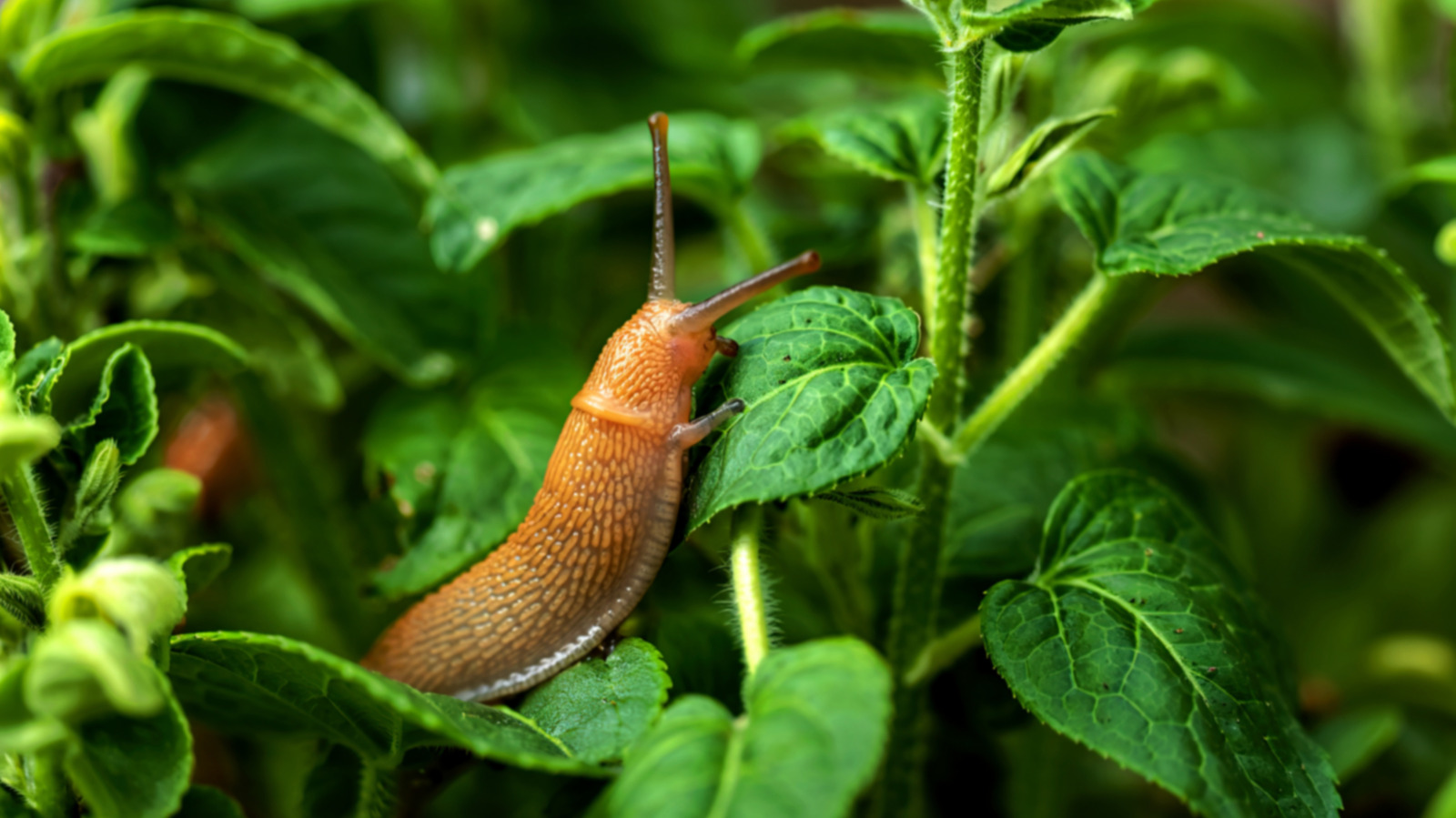
Around a third of UK gardeners use pesticides, and our studies found that house sparrow numbers, for example, were nearly 40% lower in gardens where the pesticide metaldehyde was used. By reducing pesticide use, you can actively encourage birds back into your outdoor spaces, as they rely on invertebrates such as slugs and snails as natural prey.
Pets
Agriculture
fromTasting Table
1 month agoCan You Grow A Garden From Grocery Store Produce Seeds? - Tasting Table
Growing vegetables from store-bought seeds is possible but results vary based on produce type, growing method, and post-harvest treatment, with hybrid plants producing different crops than their parent plants.
fromTasting Table
1 month agoThis Self-Seeding Herb Practically Grows Itself Once Established In Your Garden - Tasting Table
Garden angelica, Angelica archangelica, belongs to the Apiaceae family, the same botanical group as carrots, celery, fennel, and parsley. Like its relatives, it produces a large, distinctively umbrella-shaped inflorescence, or flower cluster, called umbels. In its first year, the plant forms a lower mound of bright green leaves. In the second, a thick, hollow stem shoots upward and unfurls the broad green flower heads that resemble wild carrot or Queen Anne's Lace.
Agriculture
Agriculture
fromArchitectural Digest
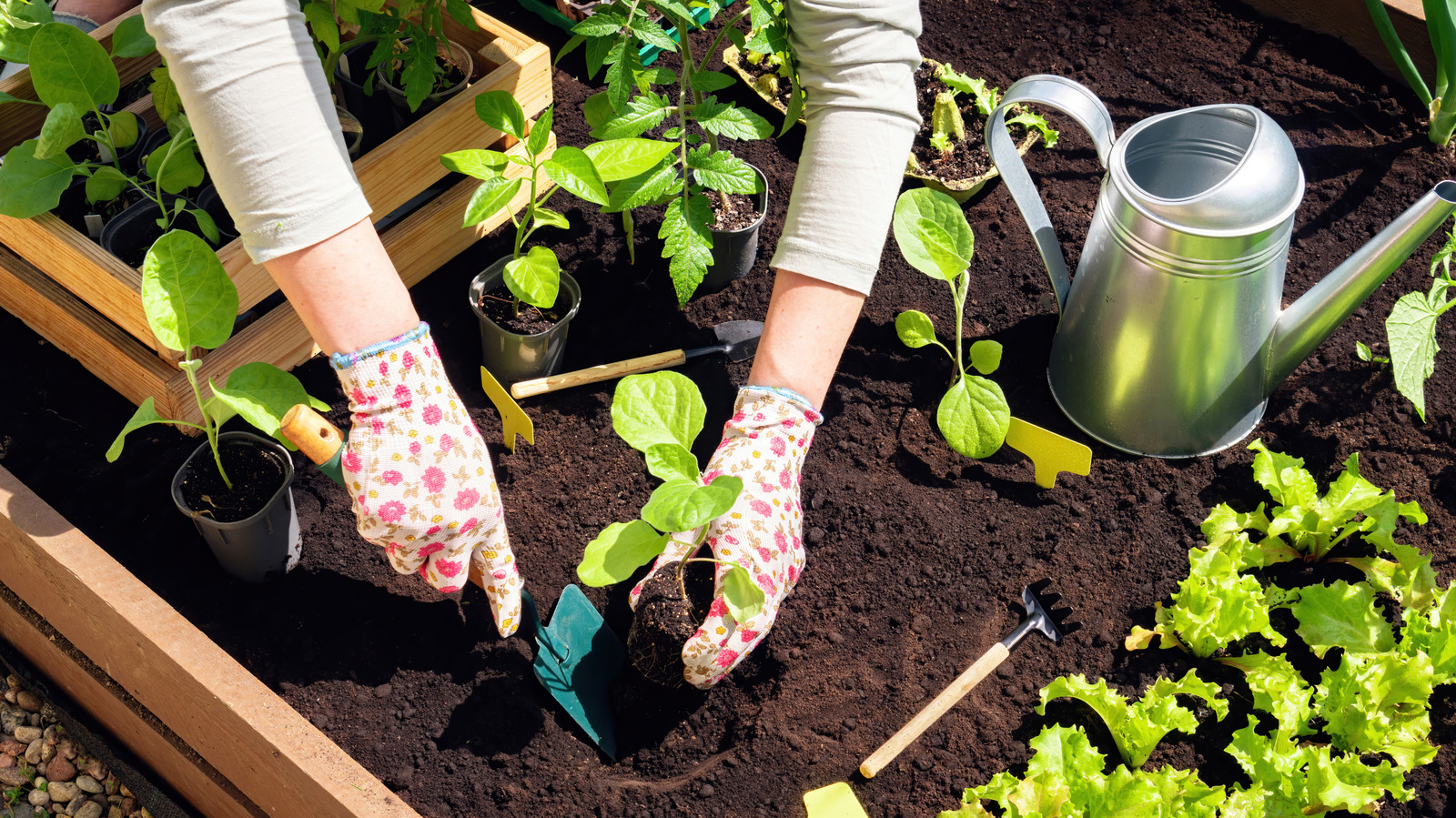
2 years ago13 Raised Garden Bed Ideas to Elevate Your Backyard This Spring
Raised beds allow gardeners to engineer ideal soil conditions, improve ergonomics, protect crops from pests, and enable faster soil warming and easier watering compared to ground-level gardening.
fromwww.theguardian.com
2 months agoWhen it comes to preparing seeds for your garden, you'll reap what you sow
To an unimaginable eye, a seed looks inert. Yet they are packed with genetic information and biological processes poised to unfold. All it takes is the right configuration of signals and stimuli from the environment to let them know it's time to dare to grow.
Agriculture
[ Load more ]