#geopolitical-risks
#geopolitical-risks
[ follow ]
#inflation #oil-prices #federal-reserve #sp-500 #market-trends #strait-of-hormuz #investment-strategy
#european-equities
Europe news
fromLondon Business News | Londonlovesbusiness.com
2 weeks agoCaution replaces exuberance as companies count the cost of war - London Business News | Londonlovesbusiness.com
European equities showed caution amid geopolitical risks and mixed market sentiment, with luxury stocks particularly affected by declining sales in key regions.
Europe news
fromLondon Business News | Londonlovesbusiness.com
3 weeks agoEuropean stocks surge on Middle East ceasefire and oil price drop - London Business News | Londonlovesbusiness.com
European equities surged due to a ceasefire in the Middle East, easing energy supply concerns and lowering oil prices.



#gold-market
Business
fromLondon Business News | Londonlovesbusiness.com
5 days agoGold cools after approaching the 4,900 level - London Business News | Londonlovesbusiness.com
Gold has entered a corrective phase, influenced by rising U.S. Treasury yields and opposing forces of geopolitical risks and inflation expectations.
Business
fromSilicon Canals
1 month agoGold crossed $5,300 the same week three central banks quietly dumped $47B in US Treasuries. That's not coincidence - it's coordination - Silicon Canals
Gold's price surge is driven by strategic positioning of central banks, not just fear, as they reduce US Treasury holdings amid geopolitical tensions.

Business
fromLondon Business News | Londonlovesbusiness.com
5 days agoGold cools after approaching the 4,900 level - London Business News | Londonlovesbusiness.com
Gold has entered a corrective phase, influenced by rising U.S. Treasury yields and opposing forces of geopolitical risks and inflation expectations.
Business
fromSilicon Canals
1 month agoGold crossed $5,300 the same week three central banks quietly dumped $47B in US Treasuries. That's not coincidence - it's coordination - Silicon Canals
Gold's price surge is driven by strategic positioning of central banks, not just fear, as they reduce US Treasury holdings amid geopolitical tensions.
World news
fromLondon Business News | Londonlovesbusiness.com
6 days agoGold consolidates amid conflicting signals - London Business News | Londonlovesbusiness.com
Gold remains steady amid US-Iran negotiation uncertainties, supported by a softer dollar but limited by geopolitical tensions and inflation concerns.
fromFortune
1 week agoThe Iran War just made the clean energy transition non-negotiable | Fortune
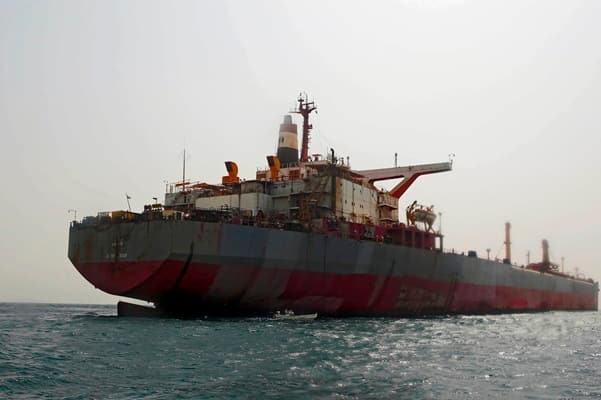
Roughly 20 million barrels per day of oil moved through Hormuz in 2024, equivalent to about one-fifth of global petroleum liquids consumption. When that waterway closed, oil prices spiked to $126 per barrel in what the U.S. Energy Information Administration has described as the largest supply disruption in global oil market history.
Environment


#crude-oil
World news
fromLondon Business News | Londonlovesbusiness.com
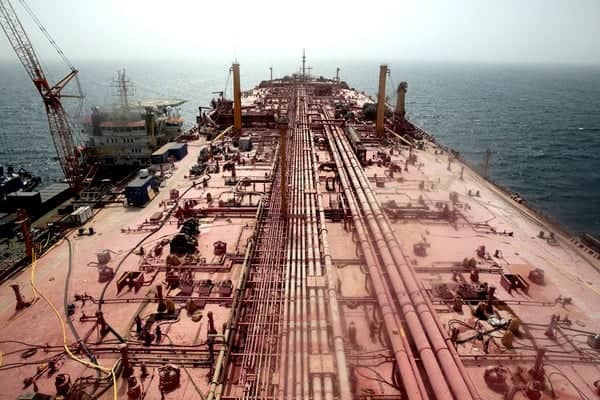
2 weeks agoOil futures plunge further below amid growing ceasefire narrative - London Business News | Londonlovesbusiness.com
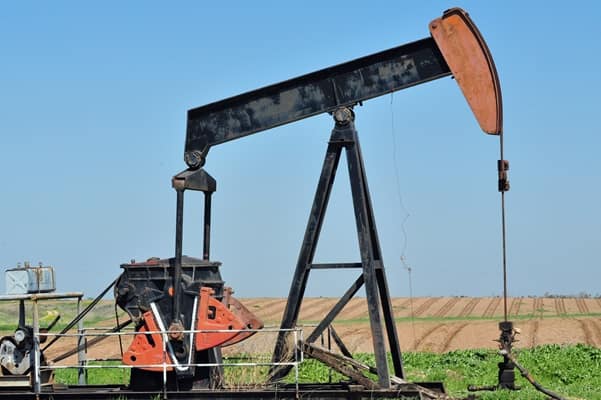
Crude oil prices are stabilizing as geopolitical risks diminish, with potential diplomatic solutions emerging from Iran and the U.S.
World news
fromLondon Business News | Londonlovesbusiness.com
2 weeks agoOil futures plunge further below amid growing ceasefire narrative - London Business News | Londonlovesbusiness.com
Crude oil prices are stabilizing as geopolitical risks diminish, with potential diplomatic solutions emerging from Iran and the U.S.
#sp-500
Business
fromLondon Business News | Londonlovesbusiness.com
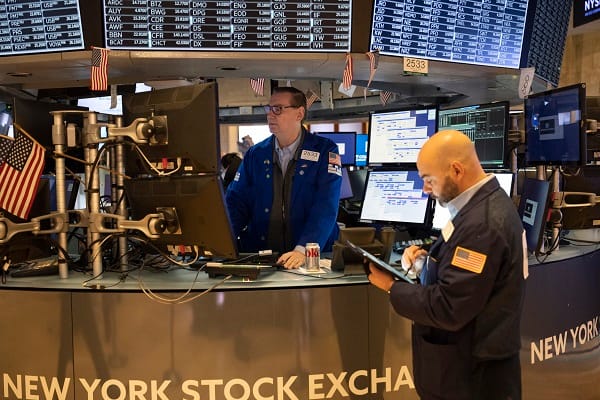
2 weeks agoS&P 500 rebounds nearly 9% from its lows - London Business News | Londonlovesbusiness.com
The S&P 500 is recovering, driven by strong earnings growth expectations and improved market sentiment, despite ongoing geopolitical risks and high inflation.

Business
fromLondon Business News | Londonlovesbusiness.com
2 weeks agoS&P 500 rebounds nearly 9% from its lows - London Business News | Londonlovesbusiness.com
The S&P 500 is recovering, driven by strong earnings growth expectations and improved market sentiment, despite ongoing geopolitical risks and high inflation.
fromLondon Business News | Londonlovesbusiness.com
2 weeks agoUltra-wealthy line up major portfolio shifts as Iran shock drives global reset - London Business News | Londonlovesbusiness.com
"This is a system shock," says Nigel Green, CEO of deVere Group. "You have a material energy supply disruption and a structural shift toward fragmentation."
World news
Europe news
fromLondon Business News | Londonlovesbusiness.com
3 weeks agodeVere CEO warns markets' relief rally on US-Iran ceasefire is 'misplaced' - London Business News | Londonlovesbusiness.com
Markets are reacting optimistically to a temporary US-Iran ceasefire, but this optimism is cautioned against due to ongoing regional tensions.
Business
fromLondon Business News | Londonlovesbusiness.com
3 weeks agoNasdaq 100 extends to a five-session rebound - London Business News | Londonlovesbusiness.com
The Nasdaq 100 gained 0.04%, driven by improved investor sentiment and strong performances in technology stocks amid easing geopolitical risks.
fromwww.mediaite.com
3 weeks agoJamie Dimon Warns Trump's Iran War Will Harden Inflation and Risks a Recession
The challenges we all face are significant. The list is long but at the top are the terrible ongoing war and violence in Ukraine, the current war in Iran and the broader hostilities in the Middle East, terrorist activity and growing geopolitical tensions, importantly with China.
World politics
UK news
fromLondon Business News | Londonlovesbusiness.com
1 month agoCautious recovery for the British pound after consecutive losses near $1.31 - London Business News | Londonlovesbusiness.com
Geopolitical risks now dominate GBP/USD movements, overshadowing traditional economic factors and creating volatility in the currency pair.
Artificial intelligence
fromwww.theguardian.com
2 months agoTrump is using AI to fight his wars this is a dangerous turning point | Chris Stokel-Walker
AI militarization poses significant risks, with recent reports showing AI tools used in military operations affecting regime change and causing casualties in Venezuela and Iran.


fromLondon Business News | Londonlovesbusiness.com
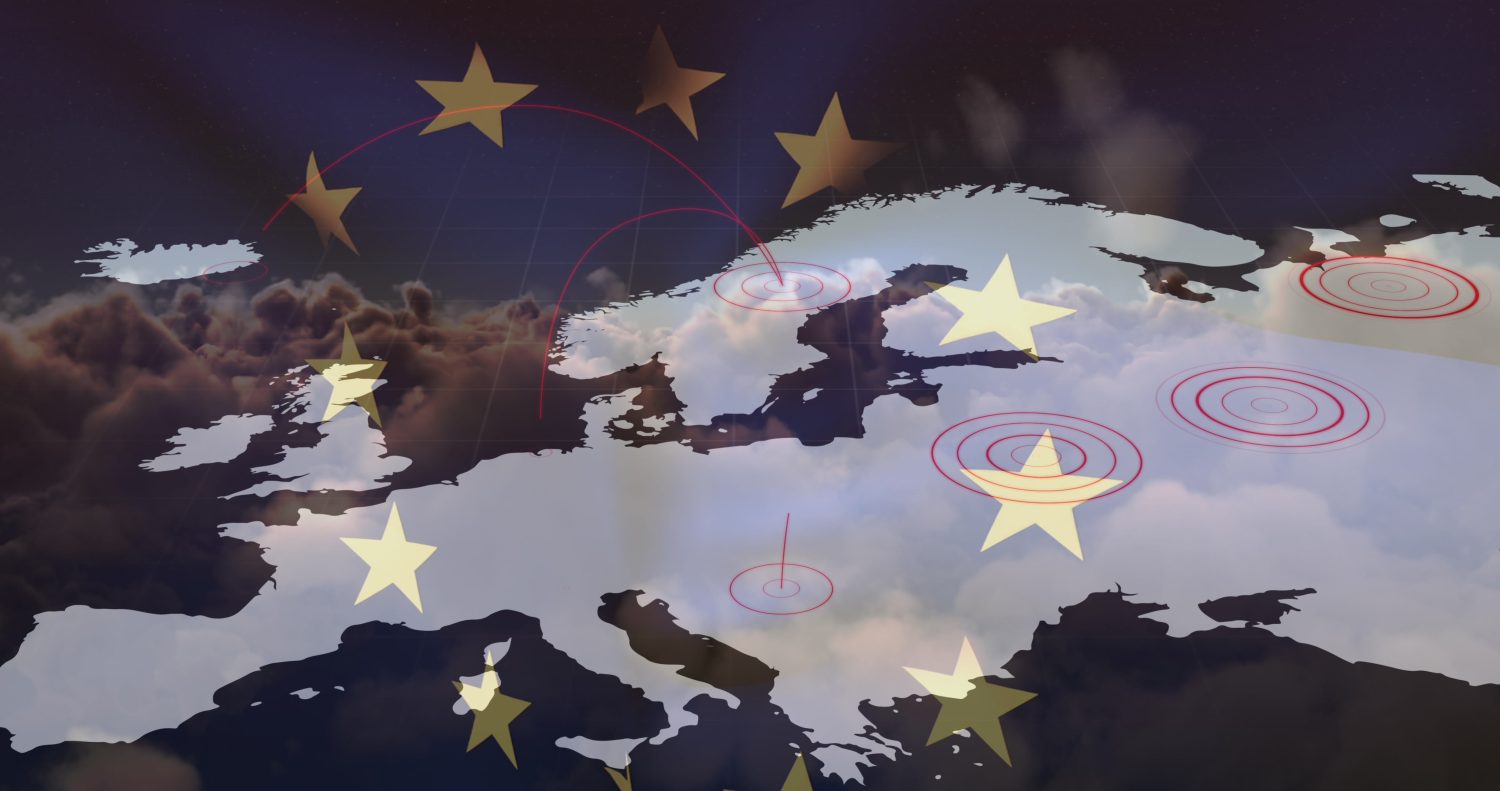
9 months agoS&P 500 maintains its uptrend despite growing caution amid geopolitical risk - London Business News | Londonlovesbusiness.com
June's Consumer Price Index (CPI) rose by 0.3% month-over-month and 2.7% year-over-year-higher than expected-while the Producer Price Index (PPI) unexpectedly stalled at 0.0%. These figures suggest that while price pressures remain on the consumer end, they may be easing on the production side.
US politics
Venture
fromLondon Business News | Londonlovesbusiness.com
9 months agoFamily offices shift their strategic focus 'expressing a pessimistic global outlook' - London Business News | Londonlovesbusiness.com
Family offices are increasingly focusing on alternative assets like private credit and infrastructure, spurred by geopolitical and economic uncertainties.
UK news
fromLondon Business News | Londonlovesbusiness.com
11 months agoThe 'warning signs aren't subtle' and the UK could pay the price, the bank should have 'gone bigger' - London Business News | Londonlovesbusiness.com
The Bank of England should implement larger rate cuts to effectively combat economic uncertainties and declining growth.
[ Load more ]