Americans collectively owe $1.233 trillion in credit card debt, with nearly half of all cardholders carrying balances month to month at an average APR of 22.83%. Despite recent Federal Reserve rate cuts, borrowers face a persistent financial squeeze because credit card issuers maintain their markup regardless of policy changes, meaning lower Fed rates don't translate to meaningful relief for consumers paying double-digit interest on revolving debt.
The court says Trump is entitled to this power under the "Unitary Executive Theory," a fringe theory that was made up by Republican academics to justify dismantling the regulatory state and that has been adopted by Supreme Court Republicans over the past few years. The theory reimagines every independent agency created by Congress as part of Trump's personal fiefdom. Based on this view, the Supreme Court has allowed Trump to fire members of the National Labor Relations Board (see Trump v. Wilcox);
The Supreme Court appeared skeptical Wednesday of President Trump's attempt to fire a member of the Federal Reserve Board of Governors, an authority that most experts say would imperil the independence of the world's pre-eminent central bank. At issue before the justices in the case involving Lisa Cook, a Fed governor, is whether, as the Trump administration argued, that once a president has determined he has cause to fire a Fed board member, that decision in not reviewable by any court.
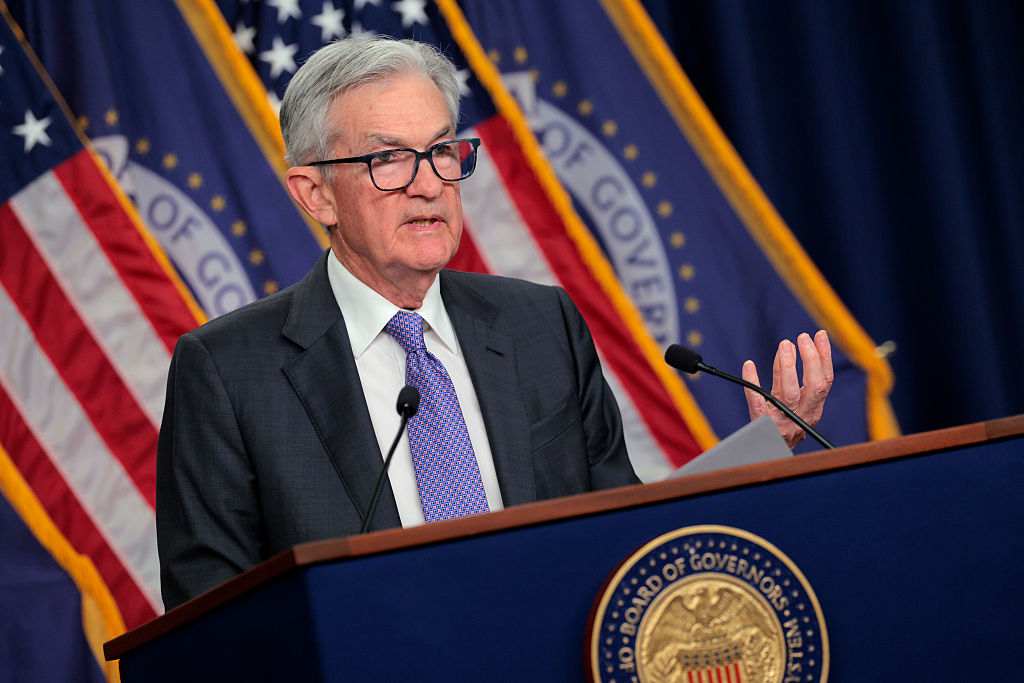
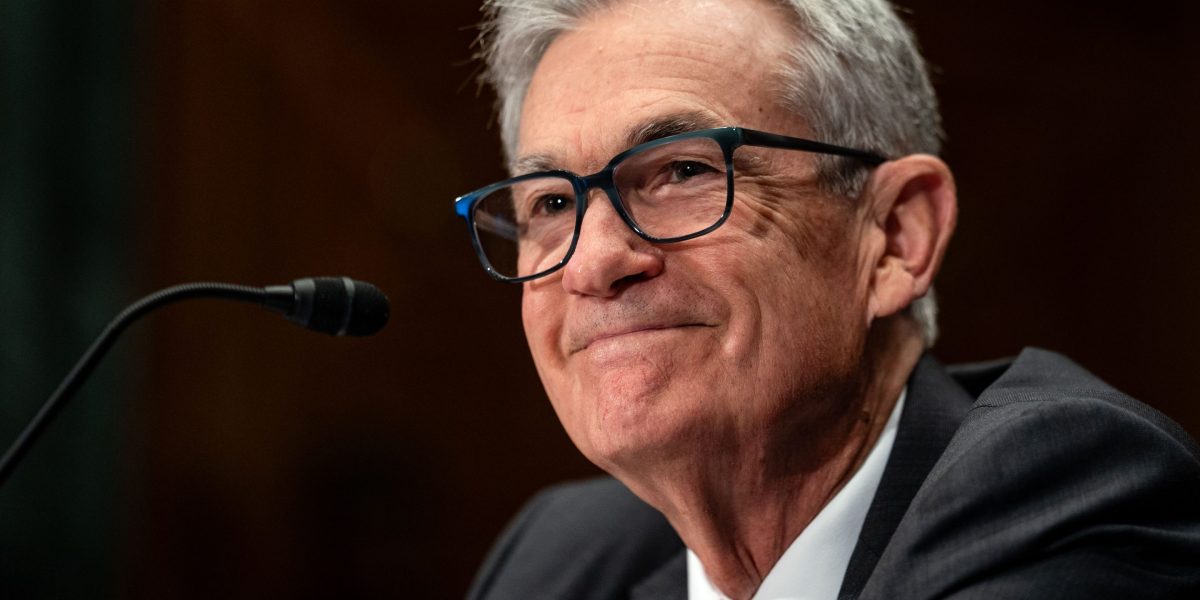
Key senators such as Republican Banking Committee member Thom Tillis have warned that Trump's Fed picks will get more scrutiny after the Justice Department subpoenaed the Fed last week over statements by Chair Jerome Powell related to a renovation project at the bank's headquarters. But Powell, whose term expires in May, contends the criminal probe is a pretext to punish him for not cutting rates quickly enough.
Powell's term as chair expires in May, but he is not required to leave. His term on the Fed board of governors expires in 2028, so he could remain as a policymaker until then. Several potential replacements have been publicly identified to serve as the next chair, but it's expected that the nominee will first be appointed as a Fed governor before being nominated as chair.
By launching a legal assault on the Fed, Mr Trump is trying to shift blame for borrowing costs. Yet despite controlling the presidency, Senate and the House, Republicans have passed little beyond a large tax-cutting bill that benefits the rich. They have not legislated on housing supply, childcare, healthcare costs or wages. Indeed most of their actions are worsening affordability, notably deferring action even though millions face a sharp rise in their health insurance bills.
On a monthly basis, the Consumer Price Index was up 0.3% after seasonal adjustment in December. Year-over-year the all-items index was up 2.7%, the same as it was in November. Shelter was the main contributor to the all-items index's monthly increase, rising 0.4% from a month prior. Other major contributors included the food index, which rose 0.7% and the energy index, which jumped 0.3%.