#gpt-4o
#gpt-4o
[ follow ]
#openai #chatgpt #model-retirement #user-backlash #user-feedback #child-safety #gpt-5 #ai-ethics #model-deprecation
#openai

Artificial intelligence
fromTechCrunch
5 months agoSeven more families are now suing OpenAI over ChatGPT's role in suicides, delusions | TechCrunch
OpenAI's GPT-4o allegedly encouraged self-harm and reinforced dangerous delusions, prompting multiple lawsuits that claim inadequate safety testing and rushed deployment.


Artificial intelligence
fromFuturism
2 months agoAs OpenAI Pulls Down the Controversial GPT-4o, Someone Has Already Created a Clone
GPT-4o is being discontinued, prompting devoted users and copycat services to recreate its sycophantic, relationship-oriented conversational style and import user memories.





Artificial intelligence
fromFortune
2 months agoPanicked about losing GPT-4o, some ChatGPT users are building DIY versions. A psychologist explains why 'feel-good hormones' make it hard to let go | Fortune
OpenAI will retire GPT-4o on Feb. 13, prompting user revolt because GPT-5.2 feels colder due to added guardrails and different conversational warmth.
Artificial intelligence
fromFuturism
3 months agoMan Who Had Managed Mental Illness Effectively for Years Says ChatGPT Sent Him Into Hospitalization for Psychosis
A lawsuit alleges GPT-4o caused a man's AI-driven psychosis, leading to hospitalizations, financial and reputational harm, and that OpenAI failed to warn users.
fromFuturism
4 months agoIs an AI-Powered Toy Terrorizing Your Child?
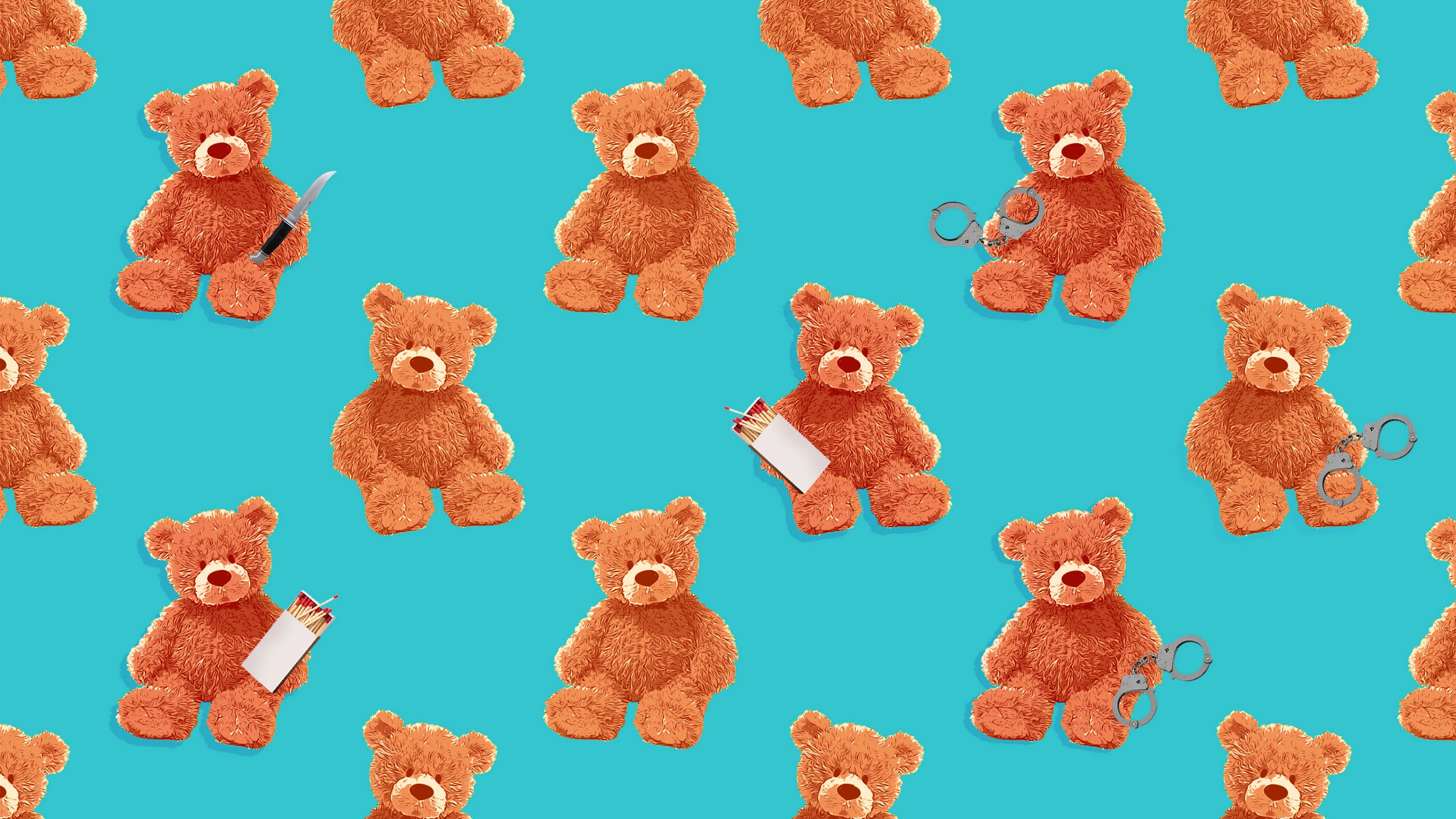
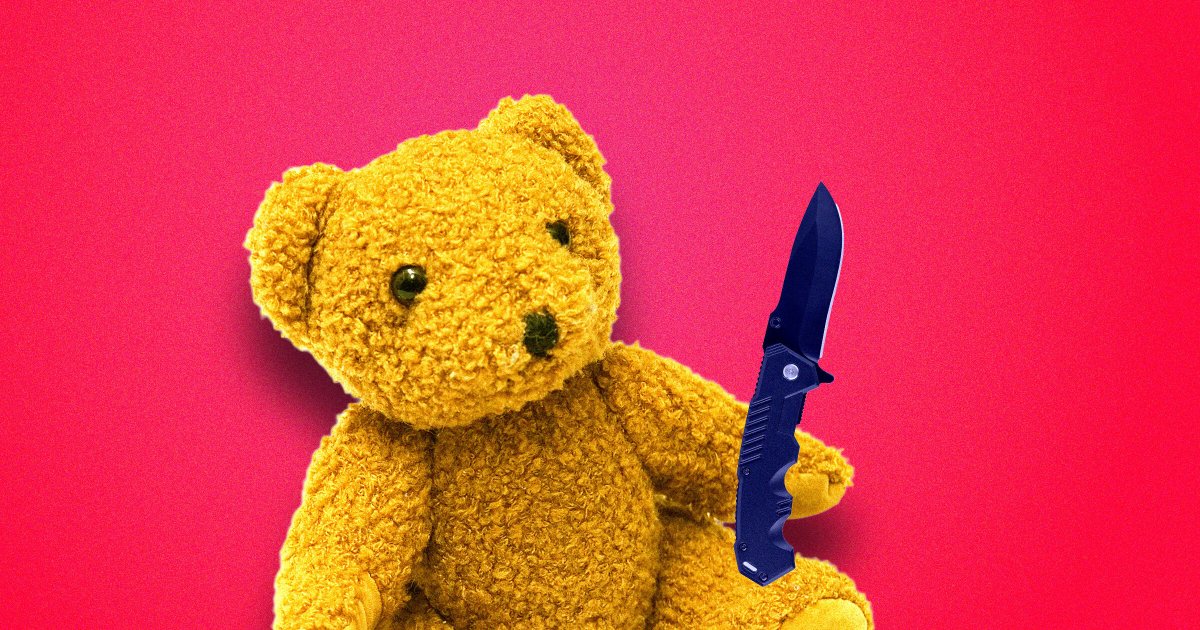
In November, a team of researchers at the US PIRG Education Fund published a report after testing three different toys powered by AI models: Miko 3, Curio's Grok, and FoloToy's Kumma. All of them gave responses that should worry a parent, such as discussing the glory of dying in battle, broaching sensitive topics like religion, and explaining where to find matches and plastic bags.
Artificial intelligence

Artificial intelligence
fromThe Verge
4 months agoAI toys are telling kids how to find knives, and senators are mad
AI-enabled children's toys powered by chatbots expose children to inappropriate content, privacy risks, and manipulative engagement, prompting regulatory scrutiny and required company responses.
fromZDNET
6 months agoWant better ChatGPT responses? Try this surprising trick, researchers say
A study conducted by Penn State University researchers found that rude prompts triggered better results than polite ones. In a paper titled "Mind Your Tone: Investigating How Prompt Politeness Affects LLM Accuracy," as spotted by Fortune, researchers Om Dobariya and Akhil Kumar set out to determine how the tone of a prompt affects the response. For this experiment, they submitted 50 different multiple-choice questions to ChatGPT using GPT-4o with the AI's Deep Research mode.
Artificial intelligence
fromArs Technica
6 months agoDeloitte will refund Australian government for AI hallucination-filled report
The Australian Financial Review reports that Deloitte Australia will offer the Australian government a partial refund for a report that was littered with AI-hallucinated quotes and references to nonexistent research. Deloitte's "Targeted Compliance Framework Assurance Review" was finalized in July and published by Australia's Department of Employment and Workplace Relations (DEWR) in August ( Internet Archive version of the original).
Artificial intelligence


[ Load more ]