#openai
#openai
[ follow ]
#chatgpt #advertising #anthropic #openclaw #privacy #open-source #ai-safety #content-moderation #ai-agents #gpt-4o
#chatgpt



Artificial intelligence
fromFuturism
4 weeks agoOpenAI Flagged a Mass Shooter's Troubling Conversations With ChatGPT Before the Incident, Decided Not to Warn Police
OpenAI's automated review system flagged violent ChatGPT conversations by an 18-year-old, but leadership did not alert police; she later killed eight and injured 25.
Artificial intelligence
fromTechCrunch
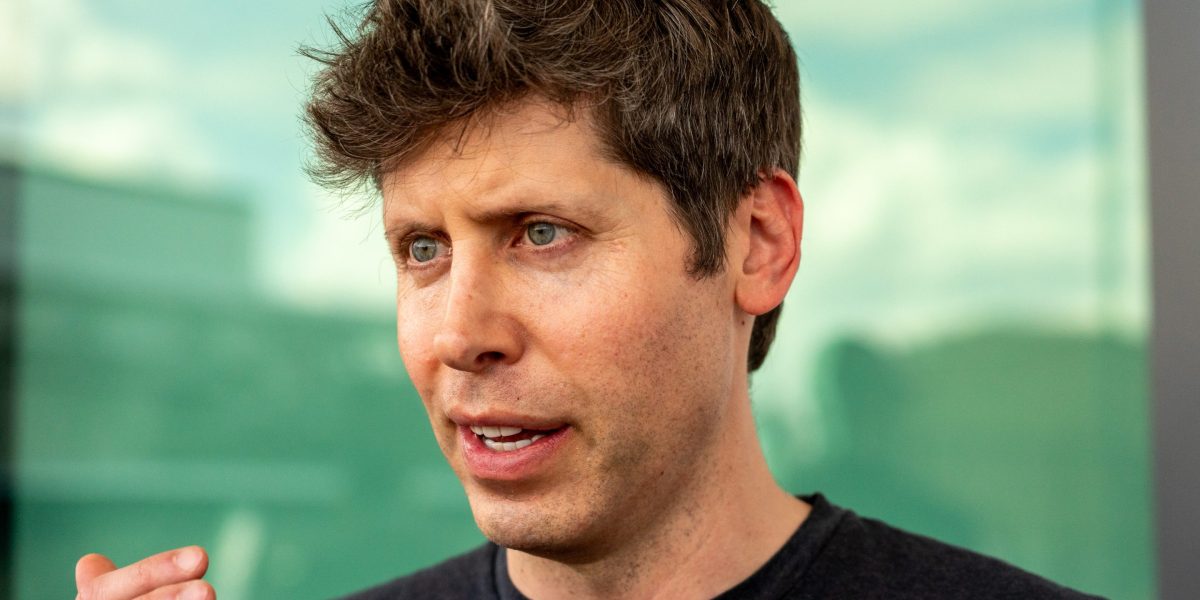
1 week agoOpenAI delays ChatGPT's 'adult mode' again | TechCrunch
OpenAI has delayed its adult mode feature for ChatGPT, which would provide verified adults access to erotica and adult content, to prioritize core chatbot improvements like intelligence and personality.


#ai-safety
Artificial intelligence
fromEngadget
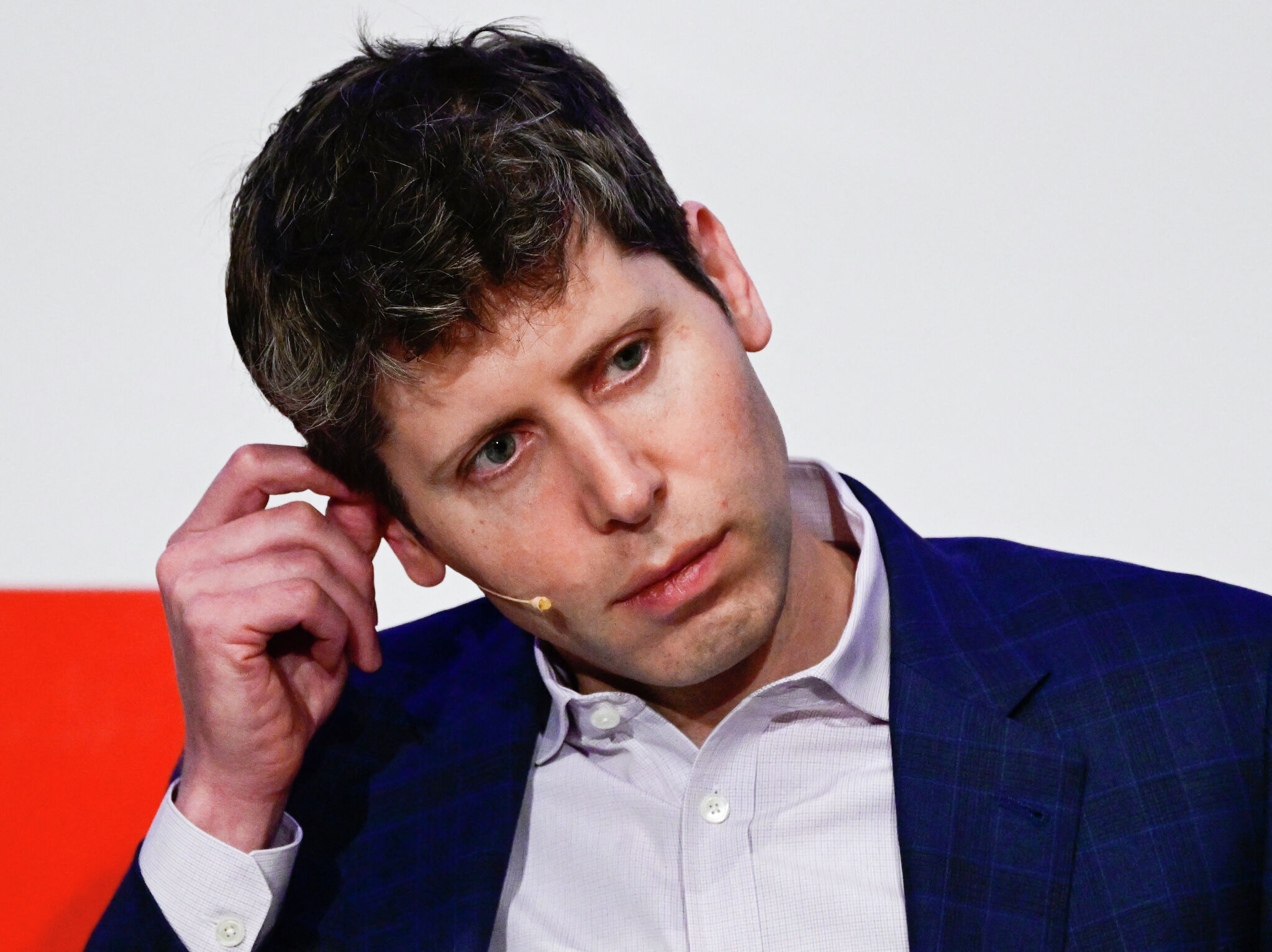
4 days agoOpenAI's adult mode reportedly won't generate pornographic audio, images or video
OpenAI is developing an 'adult mode' for ChatGPT allowing erotic text conversations despite unanimous warnings from its wellbeing council about psychological dependence risks and underage access vulnerabilities.

Artificial intelligence
fromEngadget
4 days agoOpenAI's adult mode reportedly won't generate pornographic audio, images or video
OpenAI is developing an 'adult mode' for ChatGPT allowing erotic text conversations despite unanimous warnings from its wellbeing council about psychological dependence risks and underage access vulnerabilities.
Privacy professionals
fromElectronic Frontier Foundation
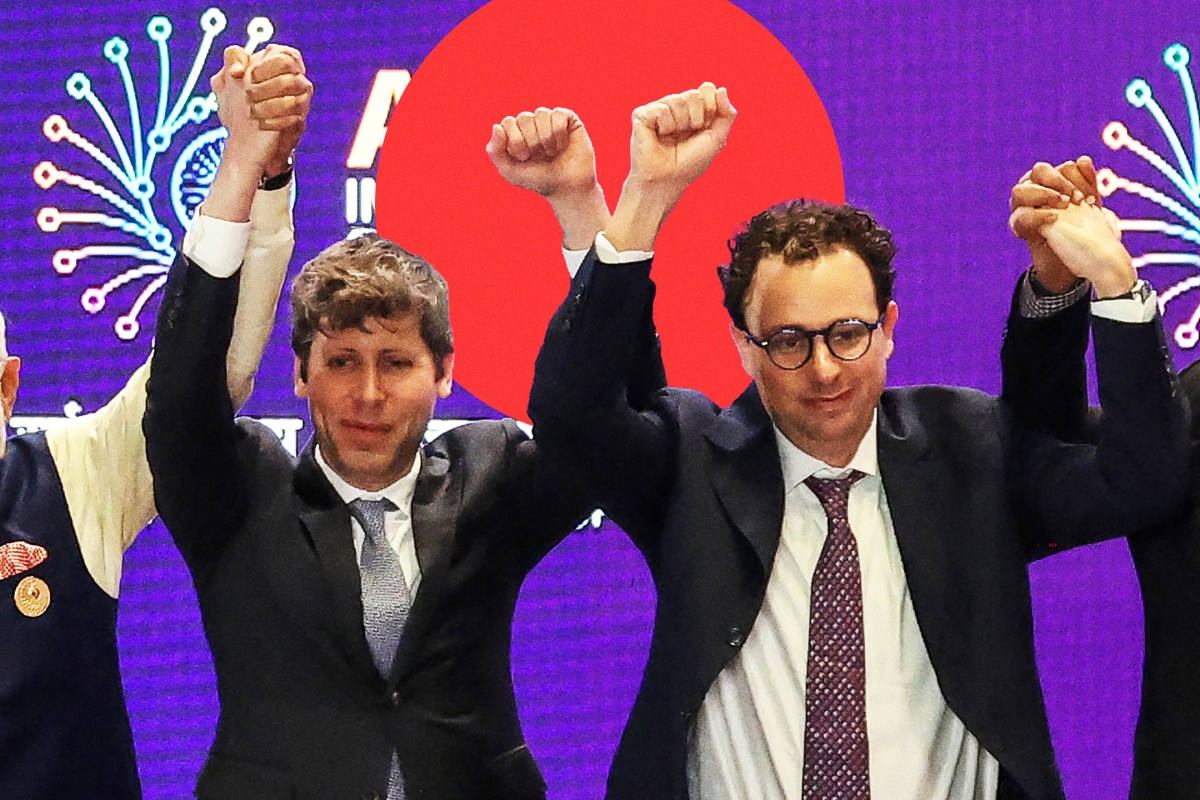
2 weeks agoWeasel Words: OpenAI's Pentagon Deal Won't Stop AIPowered Surveillance
OpenAI faced criticism for a DoD deal allowing AI use in surveillance and weapons, leading to widespread backlash and uninstalls before the company added restrictive clauses to the agreement.

#ai-regulation

Artificial intelligence
fromsfist.com
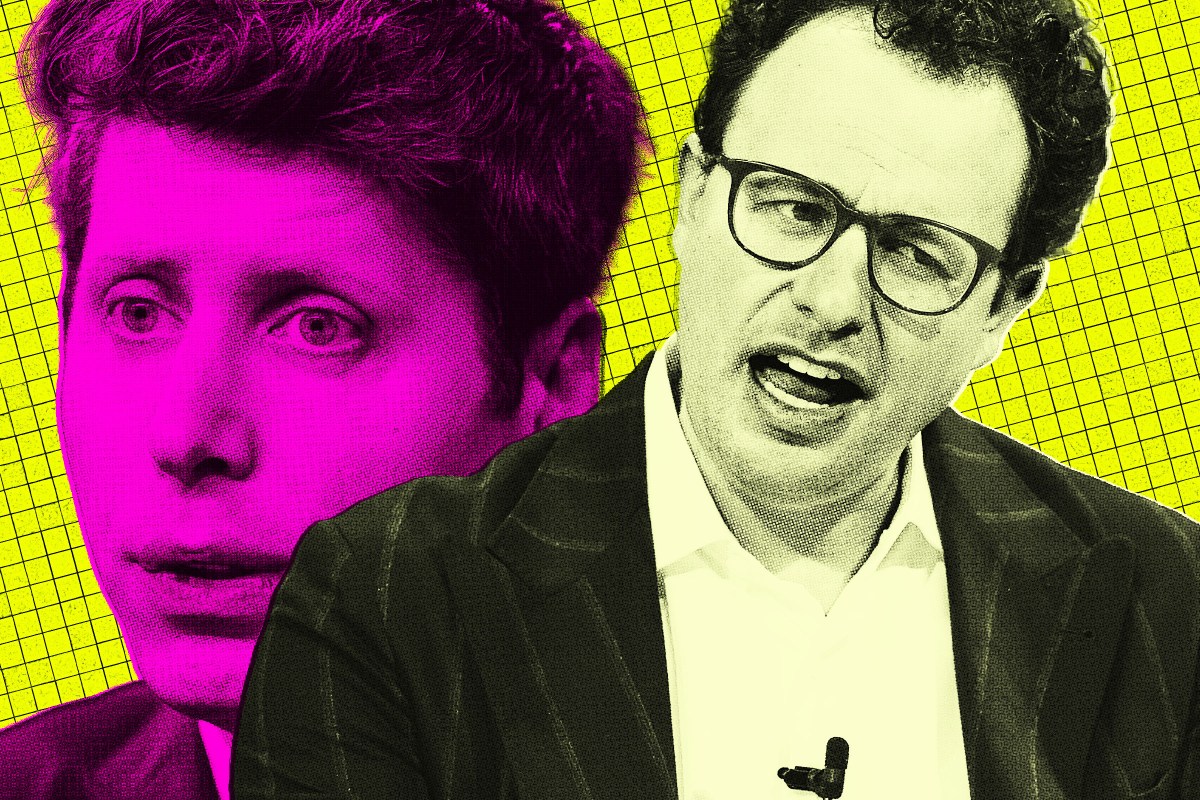
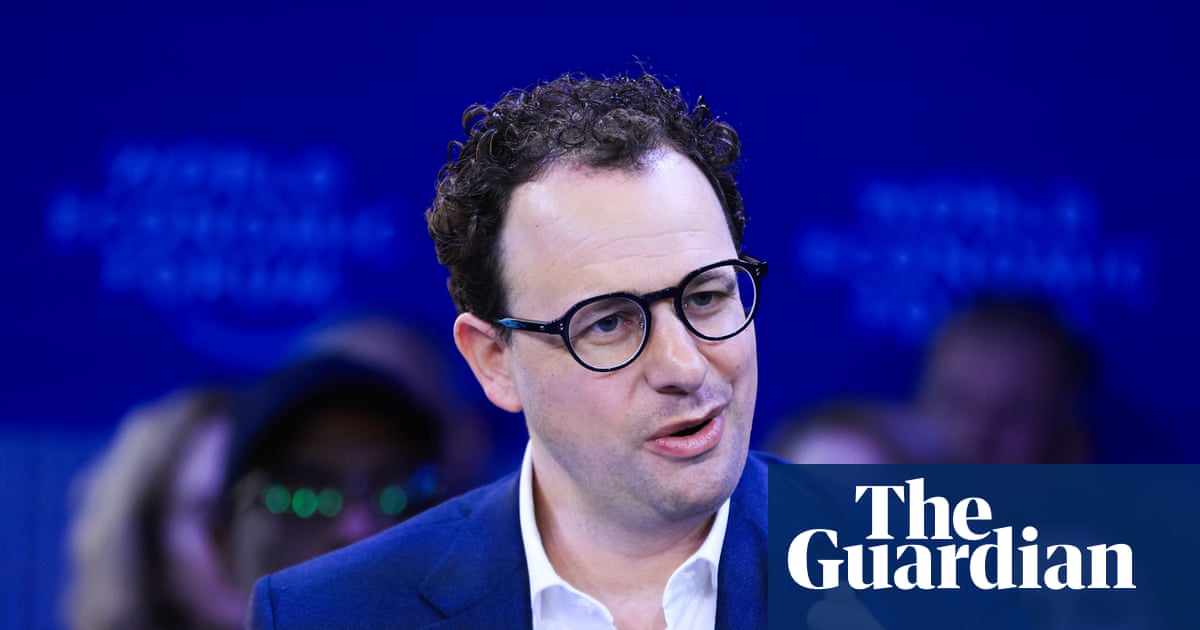
2 weeks agoEast Bay Man Scraps Ballot Measures Due to Pressure from OpenAI, Says He Was Naive' for Trying
An East Bay man claims OpenAI pressured him to withdraw two AI ballot measures proposing stricter regulations after his connection to an Anthropic senior employee was discovered.
fromwww.aljazeera.com
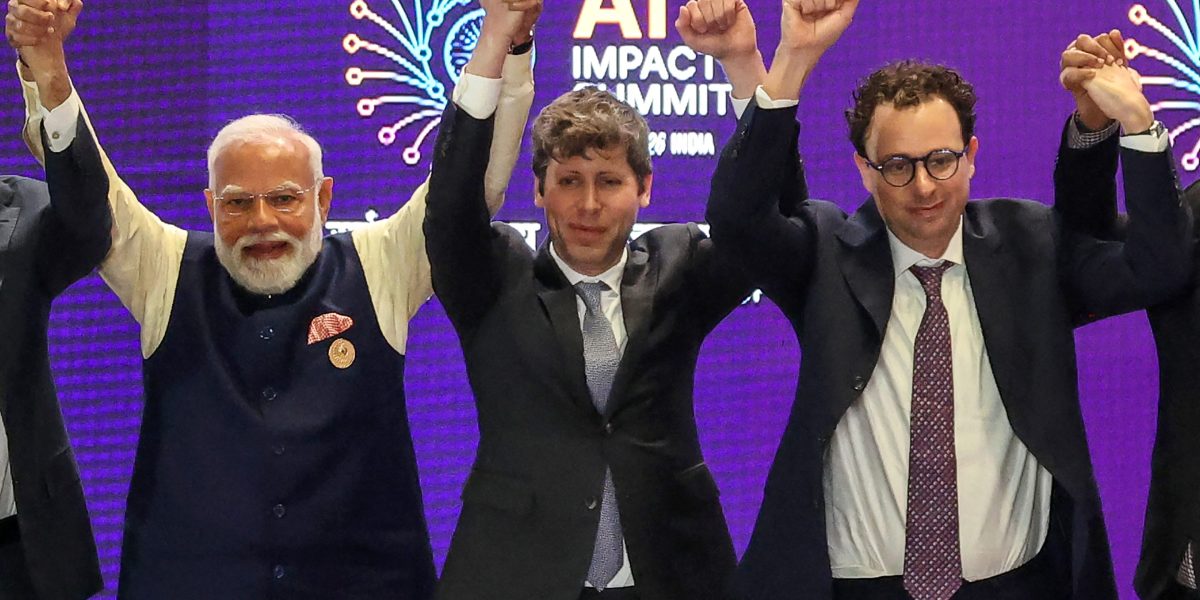
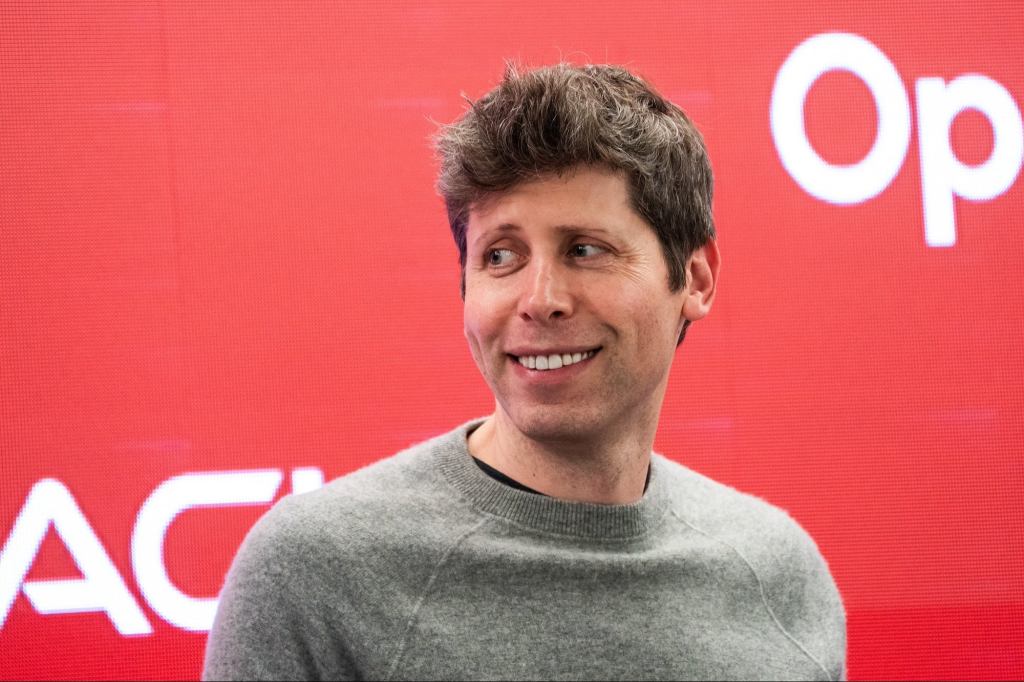
2 weeks agoOpenAI strikes deal with Pentagon to use tech in classified network'
Altman said the Pentagon agreed with his company's principles that OpenAI's technology would not be used for domestic mass surveillance or for autonomous weapon systems, affirming that humans would take responsibility for the use of force.
Artificial intelligence



Artificial intelligence
fromFortune
3 weeks agoMicrosoft CEO Satya Nadella says Bill Gates told him his big bet on OpenAI would be a flop: 'Yeah, you're going to burn this billion dollars' | Fortune
A $1 billion early investment in OpenAI led Microsoft to invest $13 billion, gain a 27% stake, and significantly boost Azure-driven revenue.


Startup companies
fromBusiness Insider
4 weeks agoOpenAI just hired another employee from Mira Murati's Thinking Machines Lab. Find out who it is.
Thinking Machines Lab is experiencing multiple senior departures, including Jolene Parish rejoining OpenAI amid high-profile poaching and prior cofounder exits.
fromThe Verge
4 weeks agoOpenAI's first ChatGPT gadget could be a smart speaker with a camera
OpenAI's first hardware release will be a smart speaker with a camera that will probably cost between $200 and $300, according to The Information. The device will be able to recognize things like "items on a nearby table or conversations people are having in the vicinity," The Information says, and it will have a Face ID-like facial recognition system so that people can purchase things. OpenAI acquired Jony Ive's hardware company last May in a deal worth nearly $6.5 billion.
Gadgets



fromBusiness Insider
4 weeks agoOpenAI's new hire has his work cut out for him with Hollywood celebrities.
From helping Beyoncé figure out how to launch an album exclusively on social media to onboarding Pope Francis to Instagram (he held my hands and asked me to pray for him) to watching creators become the next generation of entrepreneurs, the impact on culture that me and the team have been able to have is something that I take great pride in.
Artificial intelligence
Artificial intelligence
fromFortune
1 month agoJake Paul says a chance meeting with Sam Altman at Trump's inauguration led to an OpenAI investment and a crash course in ruthless 15-minute meetings | Fortune
A chance meeting with Sam Altman led Jake Paul to invest in OpenAI, collaborate on Sora2, and adopt Altman's highly efficient, short-meeting approach.

fromBusiness Insider
1 month agoElon Musk and OpenAI posture over pizza as the AI talent war heats up
The rivalry between xAI and OpenAI is heating up again - this time, over wood-fired pizza. Over the weekend, Elon Musk and an OpenAI engineer jockeyed on X about wood-fired crusts, dough fermentation, and campus chefs. On its face, it was a lighthearted back-and-forth about free pizza for lunch. Underneath, it encapsulates a trend playing out in Silicon Valley: rival AI companies are publicly pitching culture - and perks like free lunch - in the talent war for top engineers.
Artificial intelligence



fromBusiness Insider
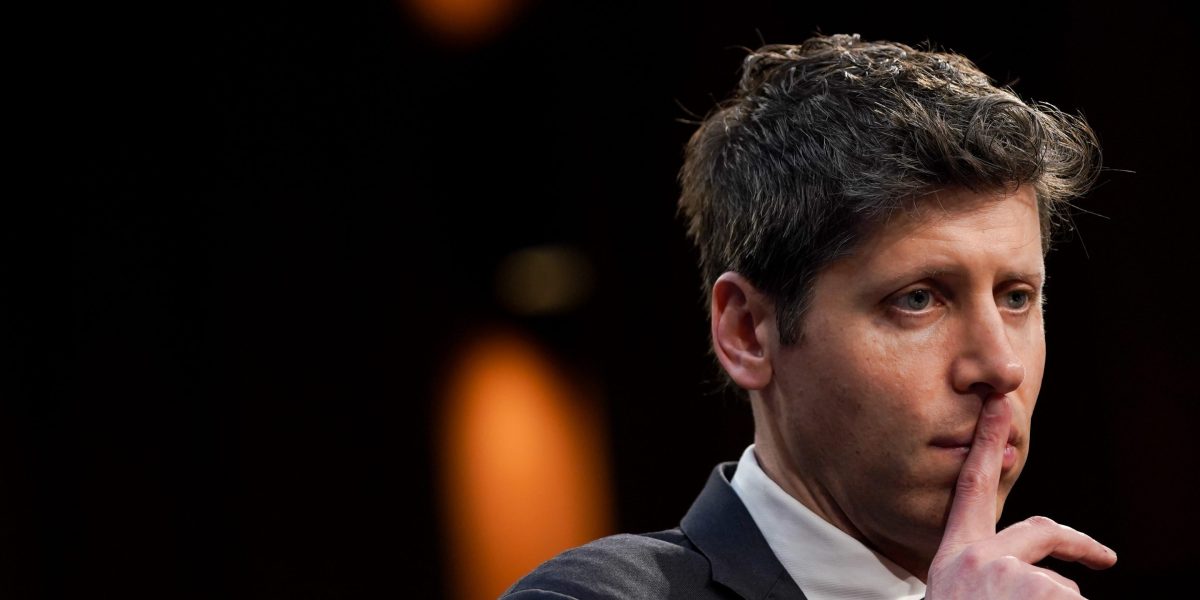
1 month agoOpenAI's OpenClaw hire sparks praise, memes, and rivalry chatter
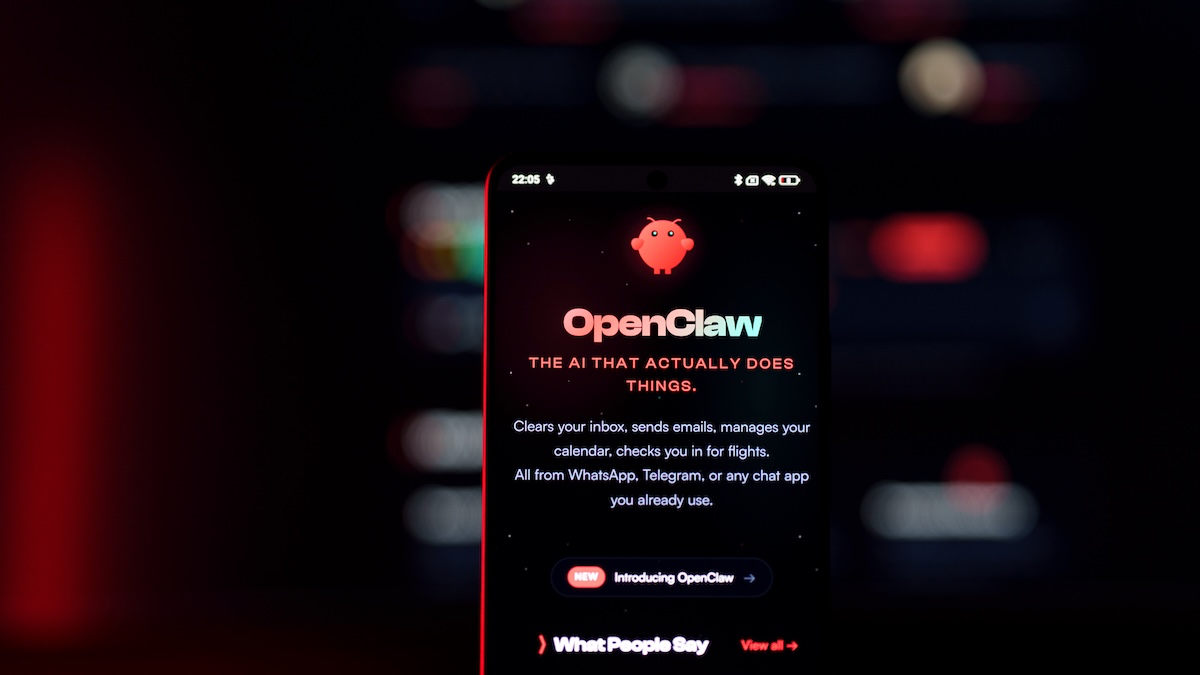
Peter Steinberger is joining OpenAI to drive the next generation of personal agents. He is a genius with a lot of amazing ideas about the future of very smart agents interacting with each other to do very useful things for people. We expect this will quickly become core to our...- Sam Altman (@sama) February 15, 2026
Artificial intelligence



fromFuturism
1 month agoCampaign Urges Users to Quit ChatGPT Over OpenAI's Support for Trump and ICE
Now that obsequiousness could be coming back to haunt them. As reported by MIT Technology Review, activists critical of the Trump administration and the actions of Immigration and Customs Enforcement have started a campaign called QuitGPT, urging regular users to ditch OpenAI's chatbot for good. So far, the campaign boasts over 700,000 supporters of the boycott. The QuitGPT website lists a few different ways to participate: quitting ChatGPT outright, cancelling paid subscriptions, and spreading the word about the boycott with others on social media.
US politics
fromTechzine Global
1 month agoOpenAI accuses DeepSeek of misusing AI models
According to the company behind ChatGPT, DeepSeek is systematically attempting to extract knowledge from leading American AI systems in order to improve its own models. In the memo, which OpenAI sent to the U.S. House Select Committee on Strategic Competition between the U.S. and the Chinese Communist Party, OpenAI outlines attempts to circumvent technical and access restrictions. The company claims that accounts linked to DeepSeek employees have developed methods to access AI models via external, obfuscated network routes.
Artificial intelligence
fromTechCrunch
1 month agoOpenAI disbands mission alignment team, which focused on 'safe' and 'trustworthy' AI development | TechCrunch
OpenAI has disbanded a team that focused on - as the company itself described - ensuring that its AI systems are "safe, trustworthy, and consistently aligned with human values." At the same time, the team's former leader has been given a new role as the company's "chief futurist." OpenAI confirmed to TechCrunch that the team's members have now been assigned to other roles. The news was first reported by Platformer.
Artificial intelligence
fromTechRepublic
1 month agoOpenAI Drops 'io' Branding for Planned AI Hardware - TechRepublic
In the court record, OpenAI vice president and general manager Peter Welinder said the company reassessed its naming plan and decided it would not use "io" (or "IYO," in any capitalization) in connection with the naming, advertising, marketing, or sale of AI-enabled hardware products, Wired reported. The dispute stems from a trademark lawsuit filed following OpenAI's acquisition of Jony Ive's startup io. OpenAI said it plans to move forward with a new name and will share it later.
Artificial intelligence
fromAxios
1 month agoSay goodbye to free ChatGPT with no ads
" Our goal is for ads to support broader access to more powerful ChatGPT features while maintaining the trust people place in ChatGPT for important and personal tasks," an OpenAI spokesperson told Axios. The company says ads will not influence ChatGPT's answers, which it says will remain focused on what is "most helpful." If a user asks about recipe ideas, the answer may be followed by a grocery delivery service ad, for example.
Artificial intelligence
[ Load more ]