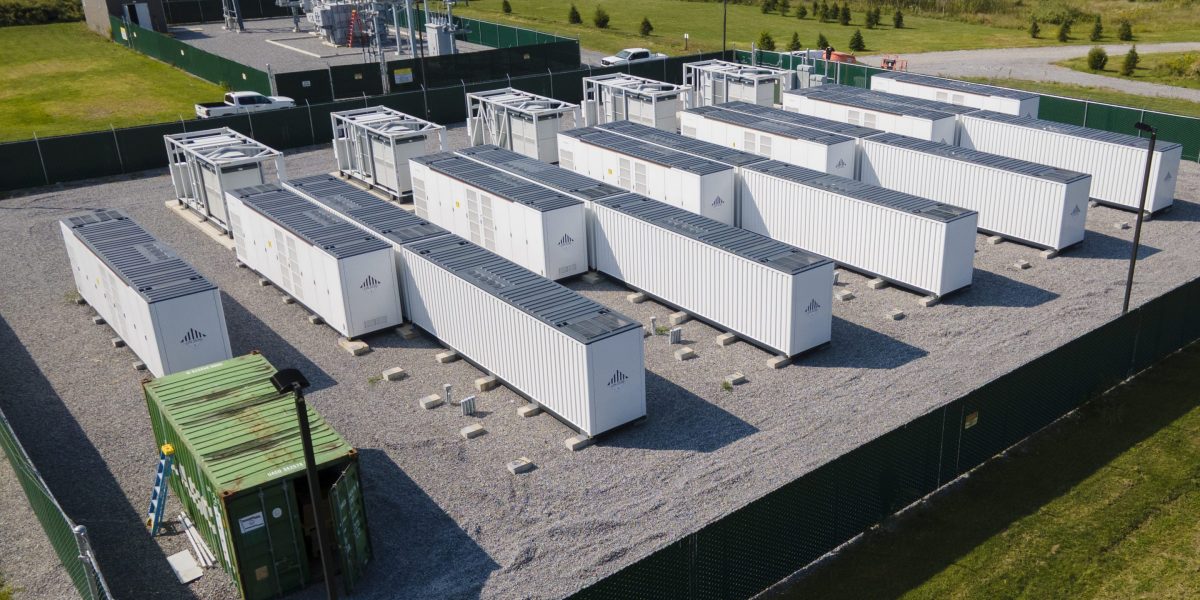
We can estimate how much electricity each solar panel and wind turbine will produce, and when they'll produce it. Then we can plug those numbers into a computer, along with green advocates' optimistic projections of future electricity demand, to see how supply and demand match up on an hourly and seasonal basis. Even with vastly expanded battery storage capacity to smooth things out, the match is poor.
In a complaint filed on November 25 with the Federal Energy Regulatory Commission, Monitoring Analytics, LLC, an independent market monitor for PJM, requested that the regulator mandate that the energy wholesaler only add large data centers to its system if all customers can be reliably served. "PJM is currently proposing to allow the interconnection of large new data center loads that it cannot serve reliably and that will require load curtailments (black outs) of the data centers or of other customers at times," the complaint read.
From reproductive rights to climate change to Big Tech, The Independent is on the ground when the story is developing. Whether it's investigating the financials of Elon Musk's pro-Trump PAC or producing our latest documentary, 'The A Word', which shines a light on the American women fighting for reproductive rights, we know how important it is to parse out the facts from the messaging. At such a critical moment in US history, we need reporters on the ground.
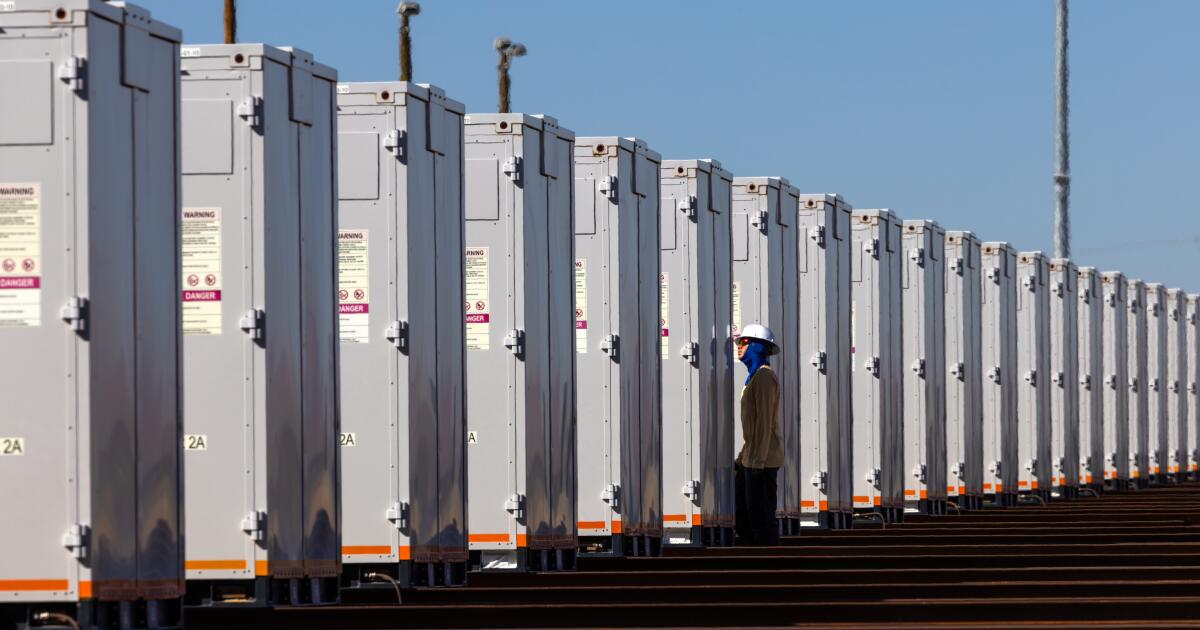
PG&E's Elkhorn battery storage system, comprising 256 Tesla megapack batteries, automatically disconnected from the electrical grid when the nearby Vistra battery storage system ignited in January. The Elkhorn system remained inactive until June, when Tesla, which maintains the system, began a series of operational and safety checks in hopes of resuming operations that month. During its tests, a clamp failure in one of the megapacks caused a coolant leak.