Higher education
fromInside Higher Ed | Higher Education News, Events and Jobs
3 days agoWhat if We Admit We're Not Perfect?
Honesty in self-assessment may be detrimental; a more inflated self-presentation is often expected in academia.
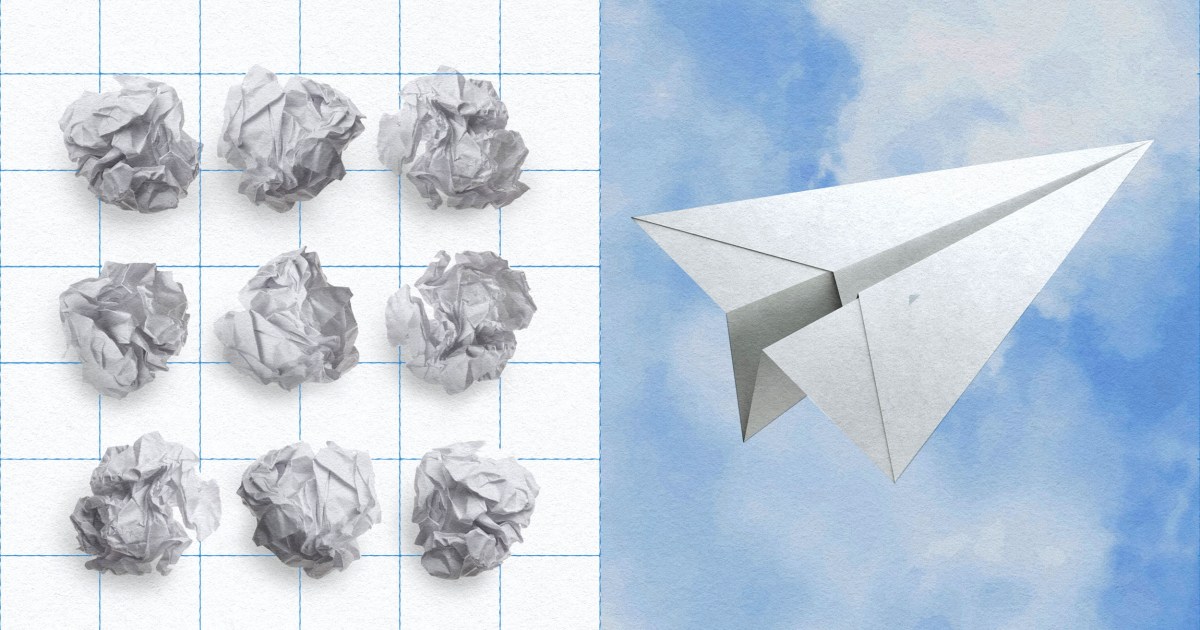
Henry Ford famously noted, "Whether you think you can do it or not, you are usually right." His point was that beliefs, especially about our talents, performance, and even luck, can be self-fulfilling. Irrespective of whether they are right or wrong, they will become true by influencing objective success outcomes. Ford was hardly alone. Along the same lines, decades of psychological research show that beliefs matter, often profoundly so.
Creative confidence, or creative self-efficacy, is a belief that we can successfully complete tasks in the creative process, from coming up with original and valuable ideas, to judging which are the best and most feasible ones, to taking action to develop them into performances or products. Research that jointly analyzed results from 41 studies with more than 17,000 participants shows that those who have greater creative confidence tend to do better on tests of creative thinking and be more creative in what they do,
In conversations I've had with hundreds of college students and social media followers, I've noticed a stubborn myth surrounding the idea of sexual compatibility. People love to romanticize it as if it's some kind of cosmic spark. You meet someone, sparks fly, and voilà, you either "have it" or you don't. But the truth is, sexual compatibility isn't magic. It's not about destiny. It's about dynamics, and yes, it can evolve and deepen over time.
The basic idea behind this is that students can have either a "fixed mindset" about their abilities (thinking they are born with a certain level of intelligence which cannot be changed over the course of their life) or a "growth mindset" (thinking their intelligence can be improved by hard work). It is assumed that having a growth mindset has a positive effect on academic achievement.
In the changing media landscape, I found that it's best to be a multimedia journalist who can tell stories in any form of media - print, audio, and video.