#h-2a-visas
#h-2a-visas
[ follow ]

fromThe Nation
6 months agoTrump the Drops Hammer on Farmworkers
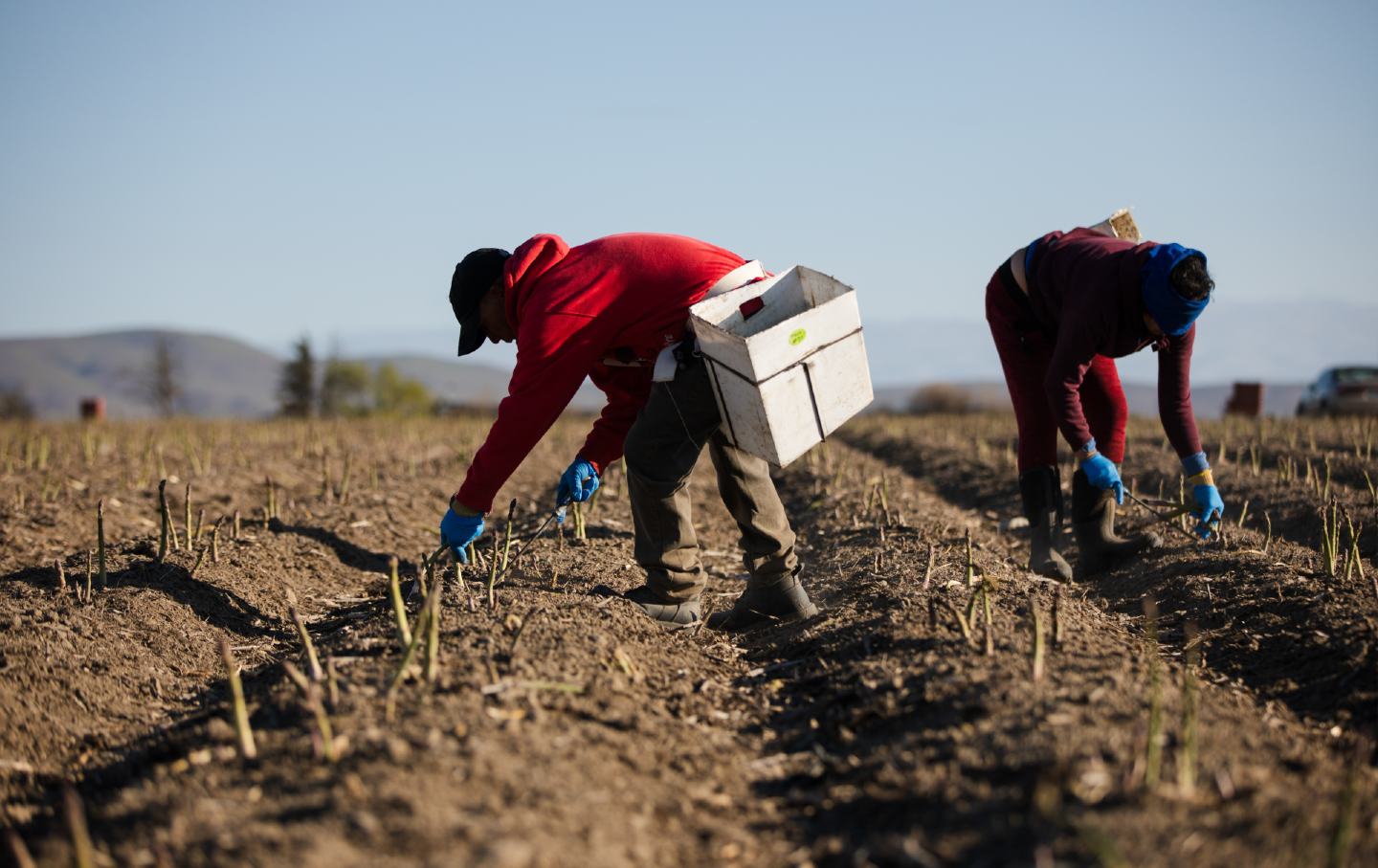
H-2A workers are very vulnerable to pressure from their employers. They can only work for the growers who recruit them, who can legally impose production quotas and fire workers for not meeting them. Recruiters are legally allowed to refuse to hire women, and almost all H-2A workers are young men. They can be fired for protesting, organizing, or simply working too slowly. They then lose their visas and usually find themselves on a blacklist, unable to return to work in subsequent seasons.
US politics
fromTruthout
7 months agoFor Mexican Workers, Temporary Farmwork Visas Facilitate Abuse and Exploitation
to the consulate in Monterrey, an industrial epicenter in the northeastern state of Nuevo León. Like millions of Mexican workers who came before her, Isabella's consulate visit in 2020 was the final hurdle before the U.S. government granted what felt like a small miracle: a coveted H-2A visa that allows workers, the vast majority of whom are from Mexico, to traverse the border for lawful employment in the U.S. as seasonal agricultural workers.
Agriculture
[ Load more ]