#hivaids-education
#hivaids-education
[ follow ]
#public-health #hiv #hivaids #antiretroviral-therapy #global-health #hiv-disparities #pepfar #africa #hiv-prevention



fromenglish.elpais.com
2 days agoFollowing the initial trials in Africa of the groundbreaking drug that could put an end to AIDS
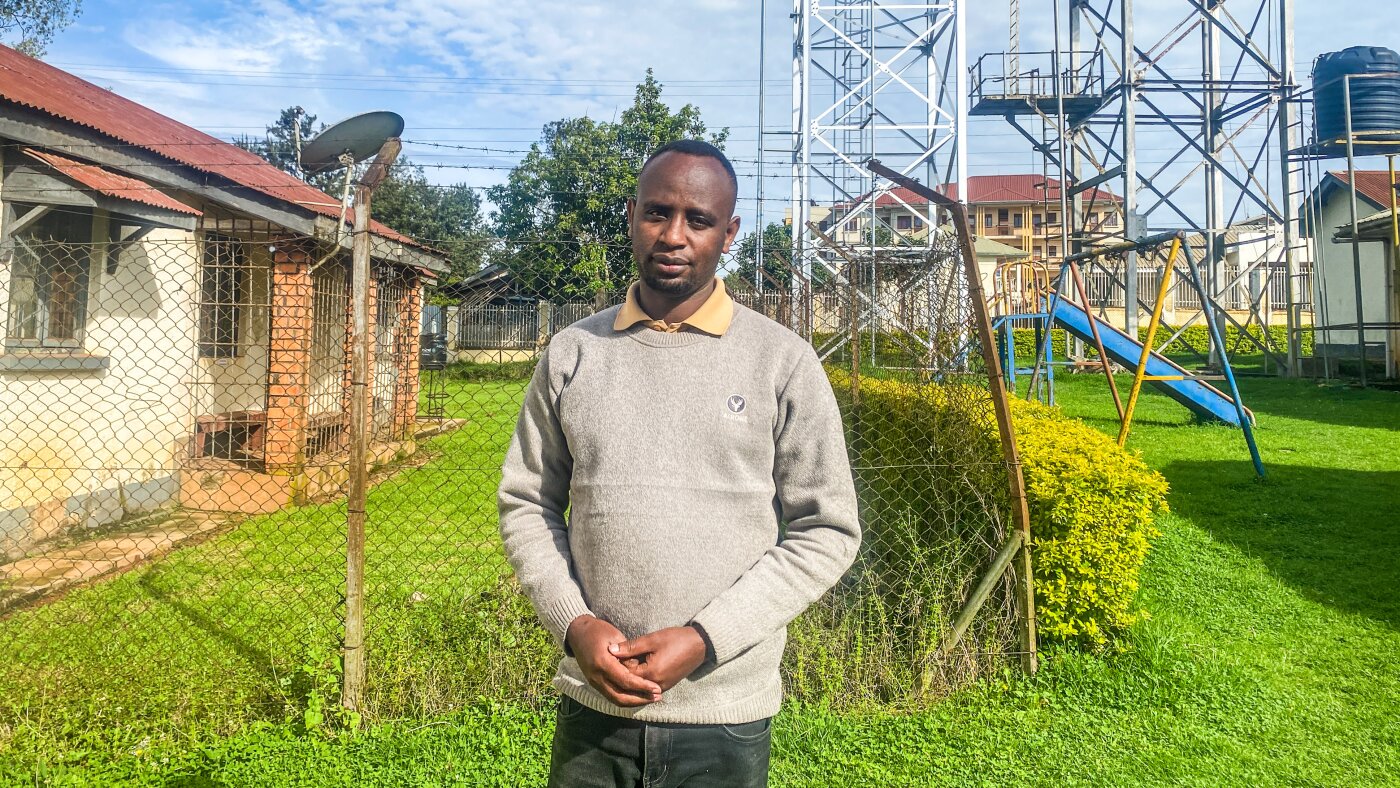
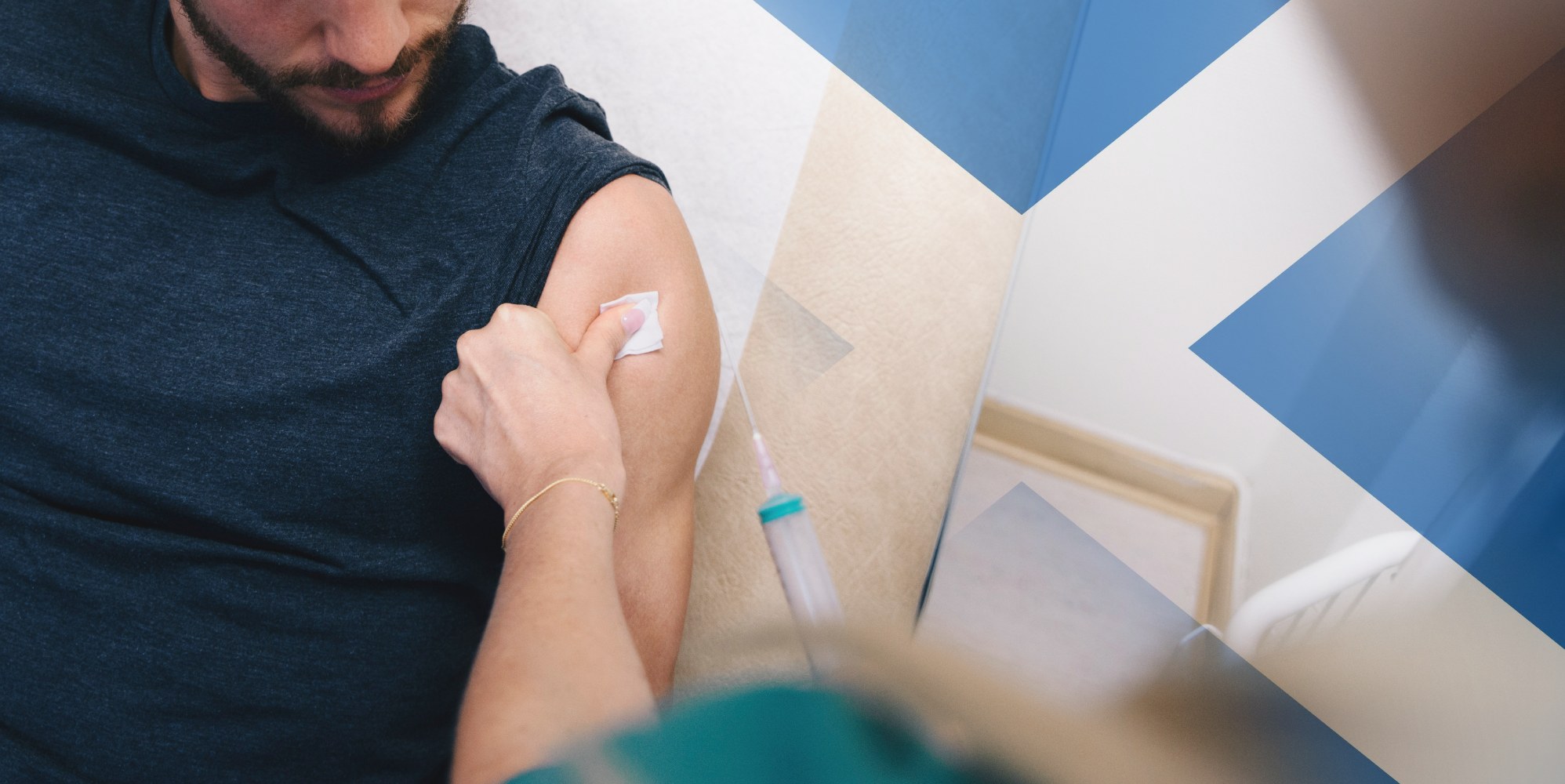
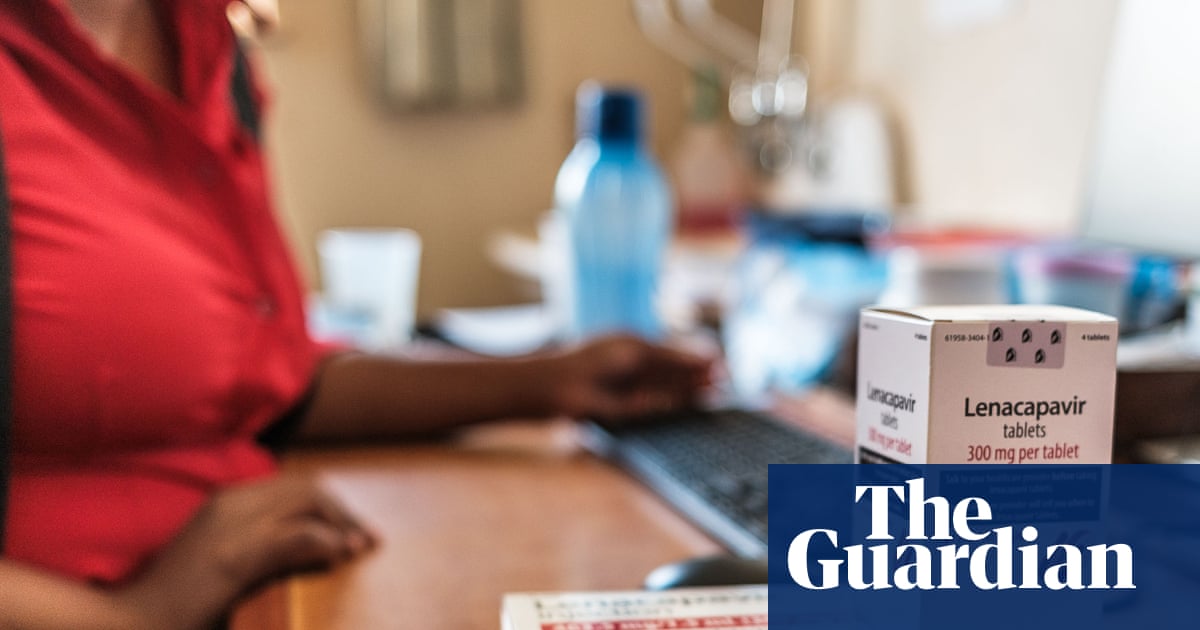
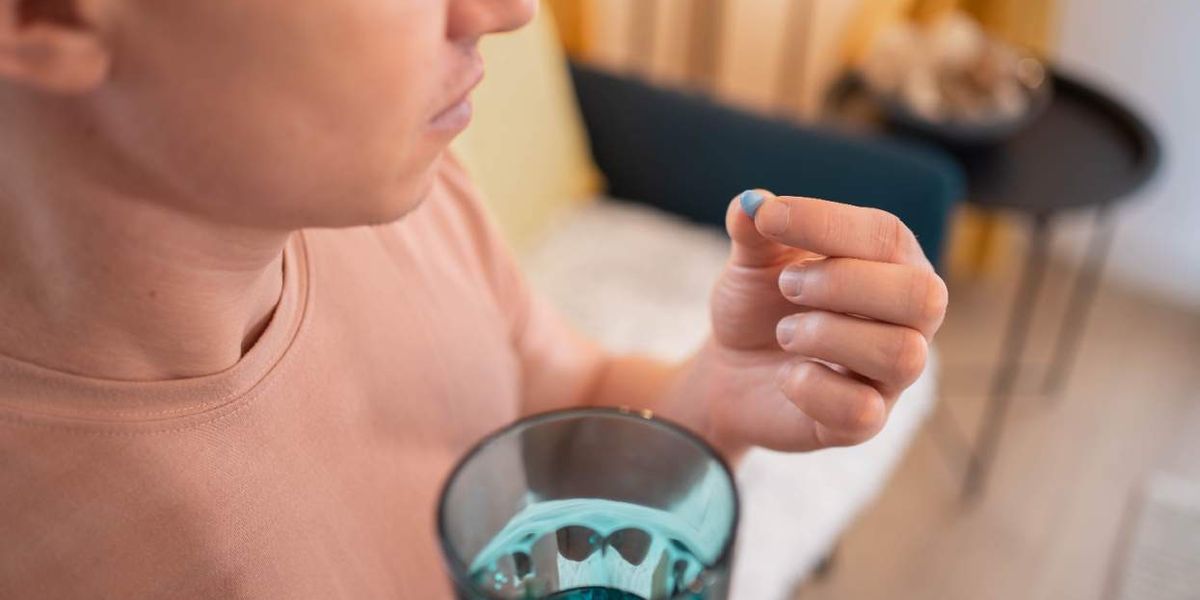
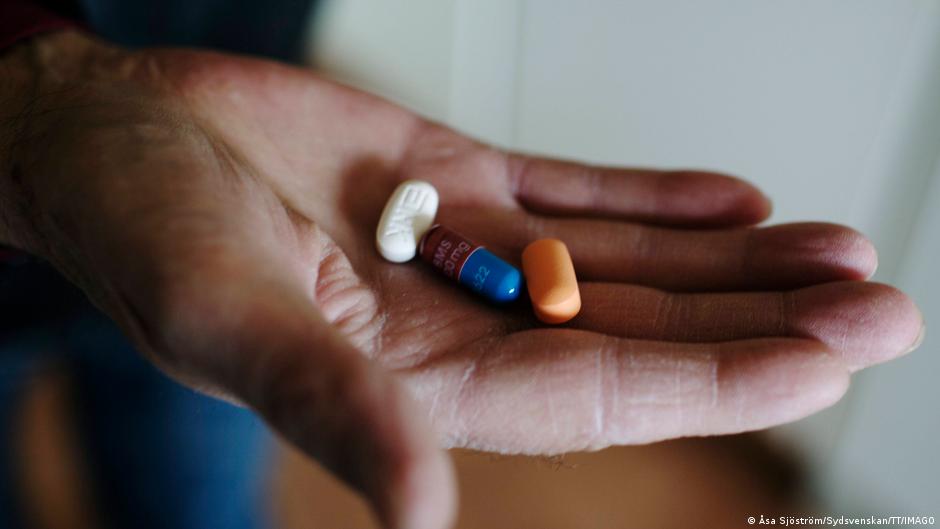
On that sunny March morning, in a small health center in Lobamba, a rural area of Eswatini, this 32-year-old sex worker has just become one of the first people in the world to receive lenacapavir, a drug that, administered twice a year, offers nearly 100% protection against HIV.
Medicine

#hiv-funding
NYC LGBT
fromSan Francisco Bay Times
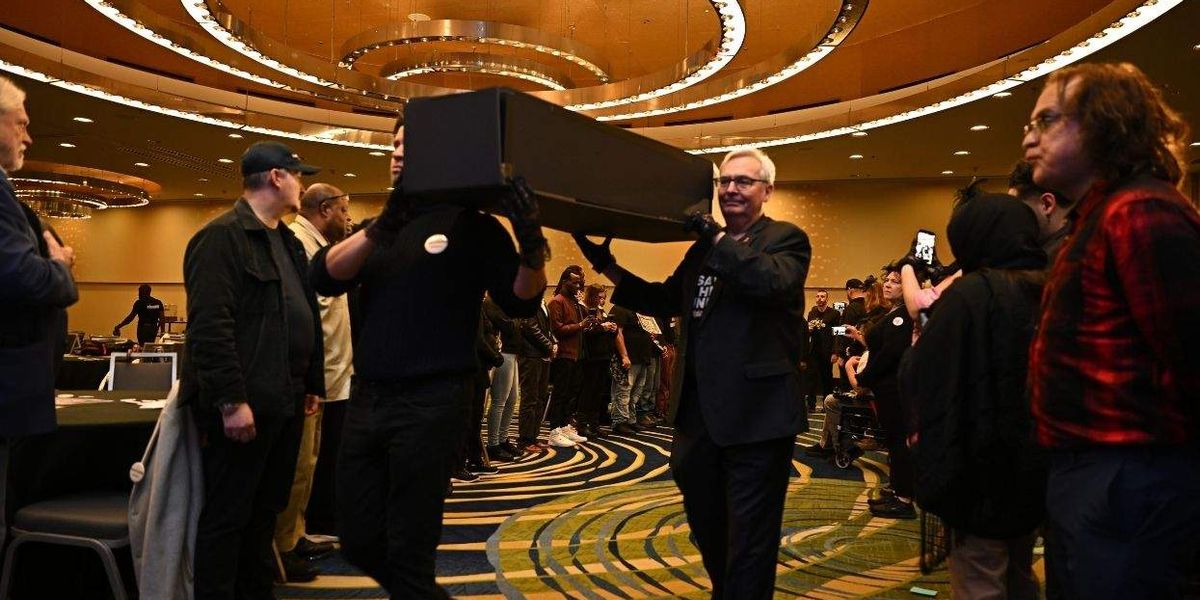
1 week agoProtest Held in Washington, D.C., by the Save HIV Funding Campaign - San Francisco Bay Times
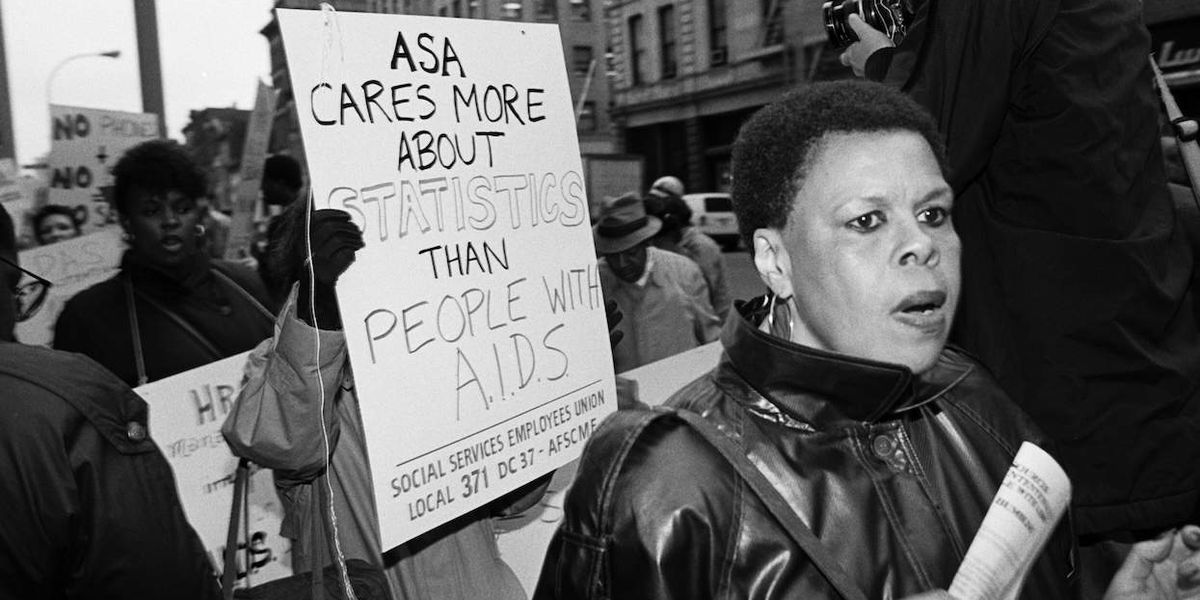
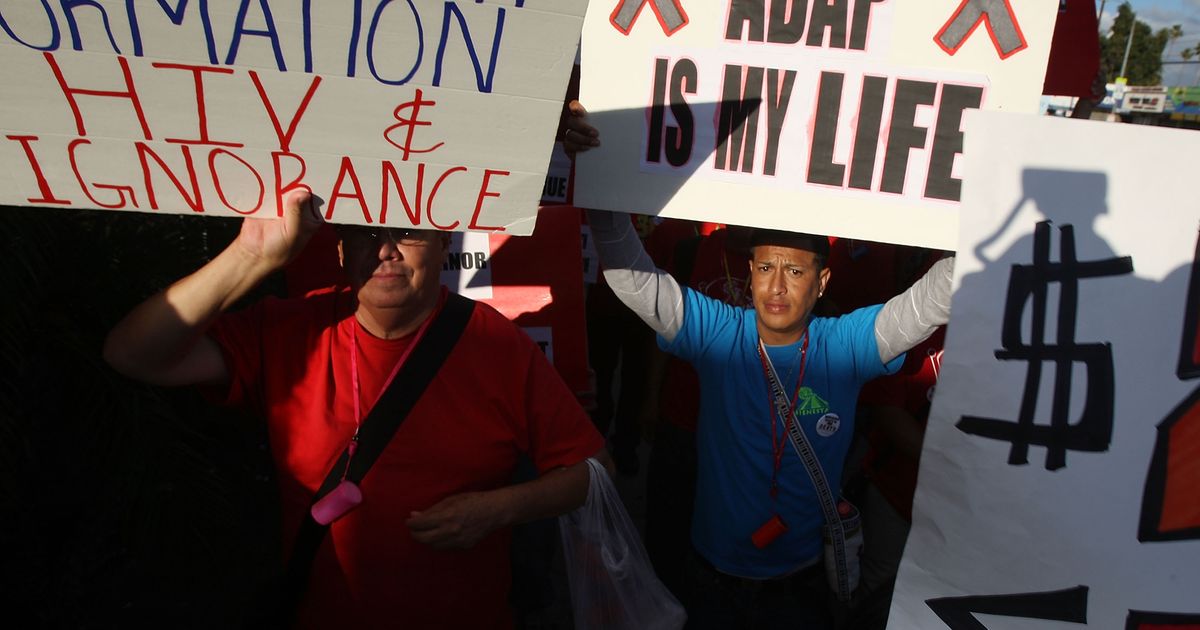
Long-term HIV survivors and advocates protested funding instability in HIV prevention and care, highlighting risks to vulnerable communities and public health infrastructure.
NYC LGBT
fromSan Francisco Bay Times
1 week agoProtest Held in Washington, D.C., by the Save HIV Funding Campaign - San Francisco Bay Times
Long-term HIV survivors and advocates protested funding instability in HIV prevention and care, highlighting risks to vulnerable communities and public health infrastructure.
fromNews Center
2 days agoPolicy Intervention Linked to Increase in Kidney Transplants in Black Patients - News Center
"This argues for the need to sustain such policies and shows that it is possible to right the wrongs retroactively, which is a powerful idea," said Kenneth Michelson, MD, MPH, associate professor of Pediatrics in the Division of Emergency Medicine and a co-author of the study.
Medicine
fromLGBTQ Nation
1 week agoGay men couldn't donate blood during the AIDS crisis. These lesbians stepped up & made history. - LGBTQ Nation
Vick thought about a private blood fund run by one of her former employers and the many conversations she's had with other club members about how to support people with AIDS. A new thought emerged: What if Vick and her peers organized their own blood drive and created a fund for folks with AIDS to ensure their continued access?
SF LGBT
fromwww.aljazeera.com
2 weeks agoI have fought for the life of this child many, many times'
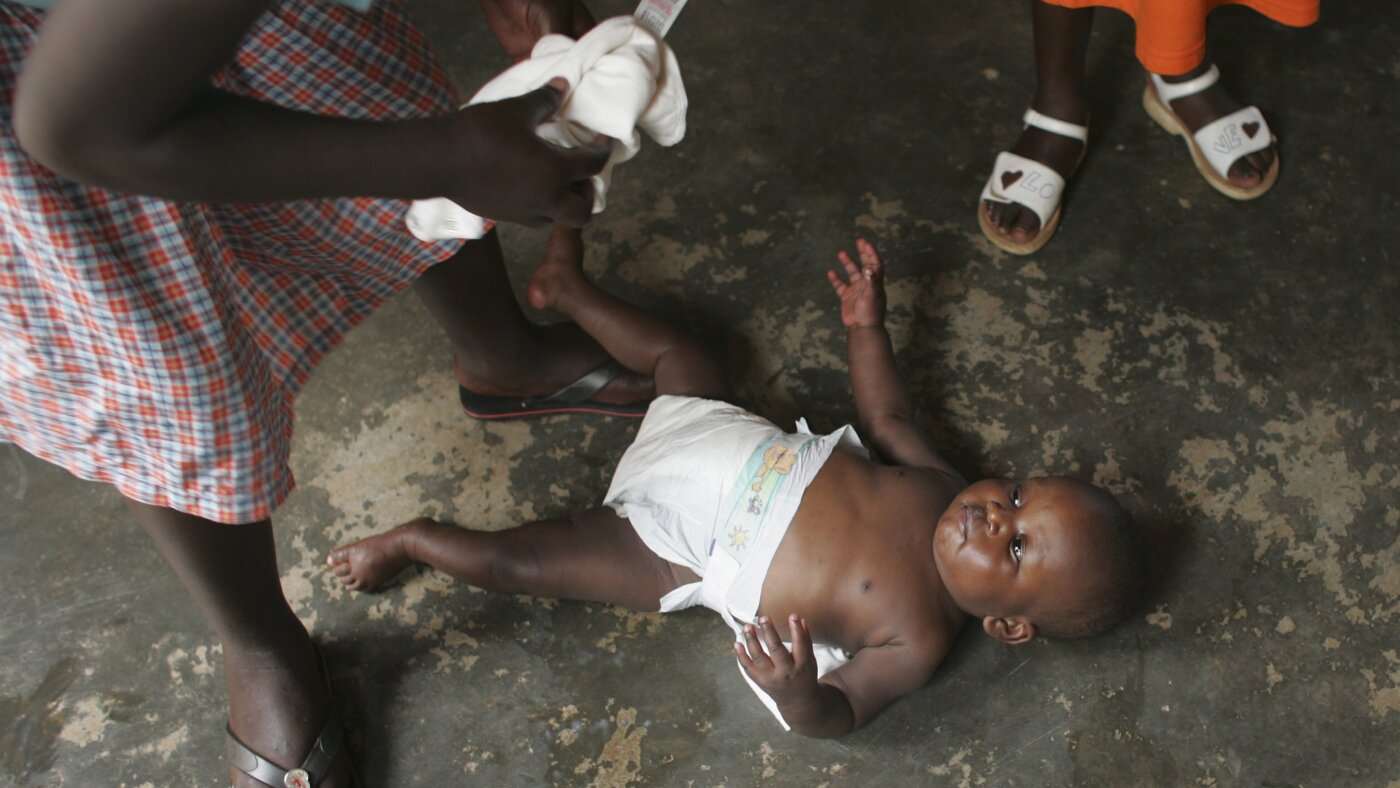
Martha carries her son Aaron, who is unable to walk or talk, while she works in the fields. She states, 'Aaron is so weak, so I have to carry him from the house and lay him somewhere so I can work.' This highlights the daily struggles she faces in balancing her responsibilities as a mother and a worker.
Parenting
fromwww.npr.org
2 weeks agoInside a rare lab that's blazing a bold trail as it hunts for new drugs
Kelly Chibale describes the drug discovery process as a fairy-tale quest, stating, 'It doesn't mean that there aren't surprises or miracles. They do happen, but you have to kiss many frogs before you meet the prince.' This metaphor illustrates the challenges and unpredictability in finding effective medicines.
US news
#hiv-funding-cuts
SF LGBT
fromPinkNews | Latest lesbian, gay, bi and trans news | LGBTQ+ news
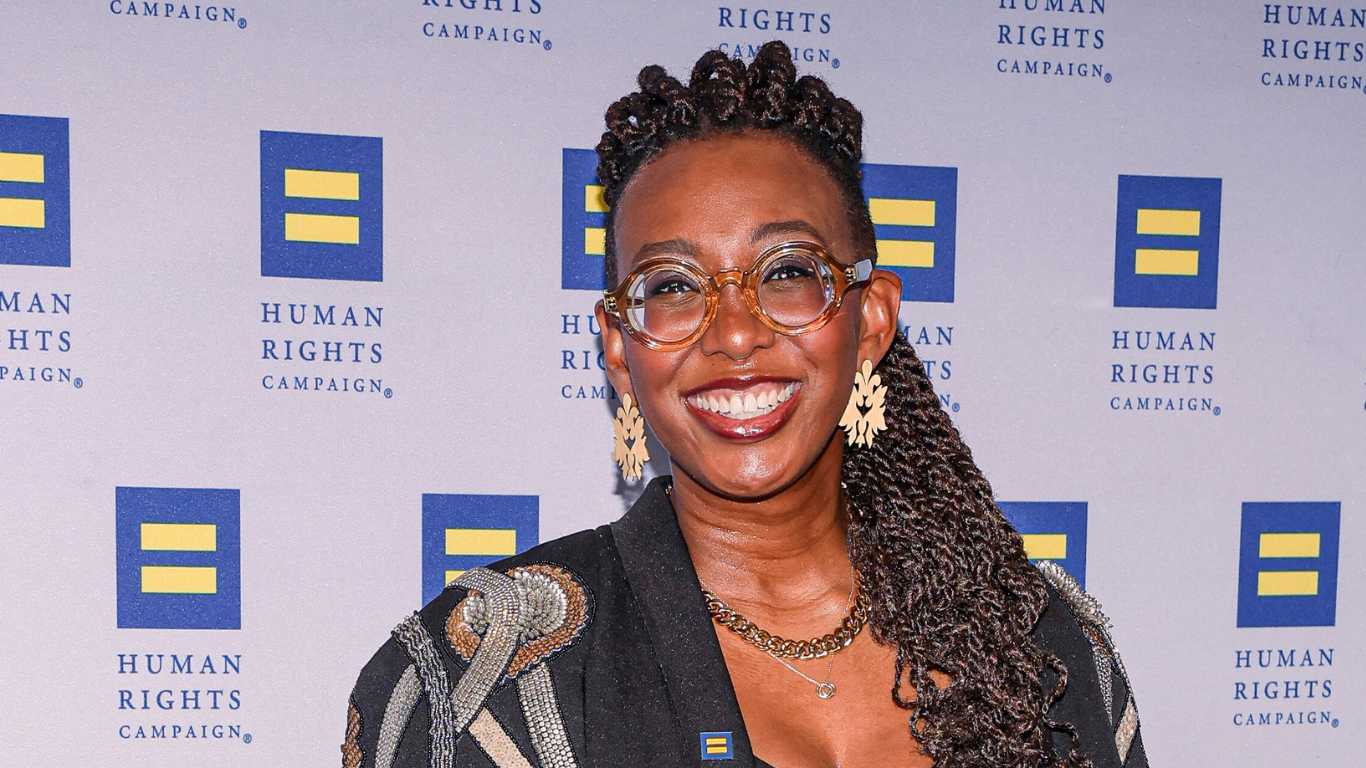
1 month agoBlack LGBTQ+ leader hits out at Trump's cuts to HIV funding
Trump's HIV funding cuts of $258 million eliminate vaccine research and prevention programs, disproportionately harming Black Americans and risking millions of new infections.
fromTruthout
3 weeks agoStates Tighten HIV Drug Assistance, Raising Access Concerns
Congress has kept key drug assistance funding at $900.3 million annually since 2014. New enrollments for state programs jumped 30% from 2022 to 2024, in part because states cut off pandemic-era Medicaid assistance. As of January, at least 18 states have pulled back their Ryan White AIDS Drug Assistance Programs, known as ADAPs, in some way.
NYC LGBT
SF LGBT
fromLGBTQ Nation
1 month agoWhen adults told me to stop talking loudly about safer sex, I started a Black gay HIV prevention program - LGBTQ Nation
Sexual health education through peer demonstration and honest conversation about desire versus safety practices among LGBTQ+ youth reduces the gap between knowledge and protective behavior.
US politics
fromwww.theguardian.com
1 month agoRising anger over lop-sided' and immoral' US health funding pacts with African countries
African countries are rejecting US bilateral health agreements as exploitative, with demands for biological resources, data sharing, and mineral access violating national sovereignty.
Public health
fromAdvocate.com
1 month agoBudget cuts and ignorance of history are racing us towards another HIV & AIDS epidemic
The Trump administration is cutting HIV/AIDS funding across CDC, research, state grants, and global programs, threatening decades of progress against a disease that devastated communities in the 1980s.
#hivaids-medication-access

Public health
fromLGBTQ Nation
1 month agoFlorida cuts off life-saving HIV medication program to tens of thousands of people - LGBTQ Nation
Florida's Department of Health reduced AIDS Drug Assistance Program income eligibility from 400% to 130% of federal poverty level, putting approximately 16,000 HIV-positive residents at risk of losing medication access.
Public health
fromLGBTQ Nation
1 month agoFlorida cuts off life-saving HIV medication program to tens of thousands of people - LGBTQ Nation
Florida's Department of Health reduced AIDS Drug Assistance Program income eligibility from 400% to 130% of federal poverty level, putting approximately 16,000 HIV-positive residents at risk of losing medication access.
fromFast Company
2 months agoHow America's WHO exit could affect flu shots, outbreaks, and future pandemics
The U.S. is no longer part of the World Health Organization. After the Trump administration declared its intention to pull the country out of the global public health agency one year ago, on Thursday it formally followed through, ending its commitment to the organization after 78 years. Withdrawing the U.S. from the WHO was one of Trump's day one priorities. Now, after the required one year notice period, the deed is done.
World news
fromwww.theguardian.com
2 months agoA cash advance on your death': the strange, morbid world of Aids profiteering
During the summer of 2020, at the onset of the Covid pandemic, the documentary director Matt Nadel was back home in Boca Raton, Florida. He remembers one particular evening walk that he took with his father, Phil, as they weathered out those early months. As they strode through the neighborhood, Nadel, now 26, said that the prospect of a vaccine was exciting, but the idea of pharmaceutical executives profiting off a devastating virus left him feeling uneasy.
Film
Public health
fromLGBTQ Nation
1 month ago"Look at who's in political control": How HIV disclosure laws are steeped in racial bias - LGBTQ Nation
Thirty-two states criminalize HIV non-disclosure during consensual sex, with Black Americans arrested and convicted at disproportionately higher rates than their representation among people living with HIV.
Public health
fromTruthout
1 month agoPublic Health Agencies Struggle to Keep Up With Rising Tuberculosis Cases
Tuberculosis cases and containment costs are rising nationwide, with Johnson County, Iowa experiencing a tripling of latent infections and costs surging from $17,000 to $65,000 annually, while state funding for contact tracing has been withdrawn.
Public health
fromAdvocate.com
1 month agoWhat to know about HIV testing and treatment if you're Black and LGBTQ+
Black LGBTQ+ individuals face disproportionately high HIV infection rates, comprising nearly half of Americans living with HIV despite representing 13% of the population, while federal funding for prevention and treatment has been cut.
Public health
fromAdvocate.com
1 month agoFlorida suddenly cuts off 12,000 people from receiving their HIV meds
Florida's Department of Health cut 12,000 HIV patients from affordable medication assistance using an emergency rule one day before a lawsuit hearing, reducing eligibility from 400% to 130% of federal poverty level.
fromAdvocate.com
1 month agoHow can PrEP use among Black people be improved?
Black people made up 48 percent of new HIV diagnoses in the South, but only 21 percent of PrEP users in the South; in the Midwest, Black people made up 48 percent of new HIV diagnoses, but only 12 percent of PrEP users. This regional disparity demonstrates the significant gap between HIV burden and preventive medication access among Black populations across different areas of the country.
Public health


Public health
fromLGBTQ Nation
1 month agoFunding cuts are devastating Black HIV prevention work. But activists say pressure is working. - LGBTQ Nation
Federal funding cuts to HIV prevention and care programs threaten Black-led organizations that have historically filled gaps in public health infrastructure and served as first responders to the HIV crisis.
fromLGBTQ Nation
1 month agoThe amazing cases of 9 people "cured" of HIV each contain clues about a possible cure - LGBTQ Nation
For more than a decade, doctors and researchers have announced that a handful of people around the world have been cured of HIV. Each of these patients has experienced long-term viral control - in some cases for over a decade - without antiretroviral therapy (ART), as AIDSMap notes, though some doctors describe them as being in "remission." While the patients have shown no signs of HIV since stopping ART, at least some uncertainty remains as to whether the virus could eventually rebound in them.
Medicine


fromwww.independent.co.uk
1 month agoEnding the AIDS crisis is within reach but the UK has to not cut key funding
From reproductive rights to climate change to Big Tech, The Independent is on the ground when the story is developing. Whether it's investigating the financials of Elon Musk's pro-Trump PAC or producing our latest documentary, 'The A Word', which shines a light on the American women fighting for reproductive rights, we know how important it is to parse out the facts from the messaging.
Public health

fromSlate Magazine
1 month agoMeasles Outbreaks Are Increasingly Common. Here's What You Need to Know.
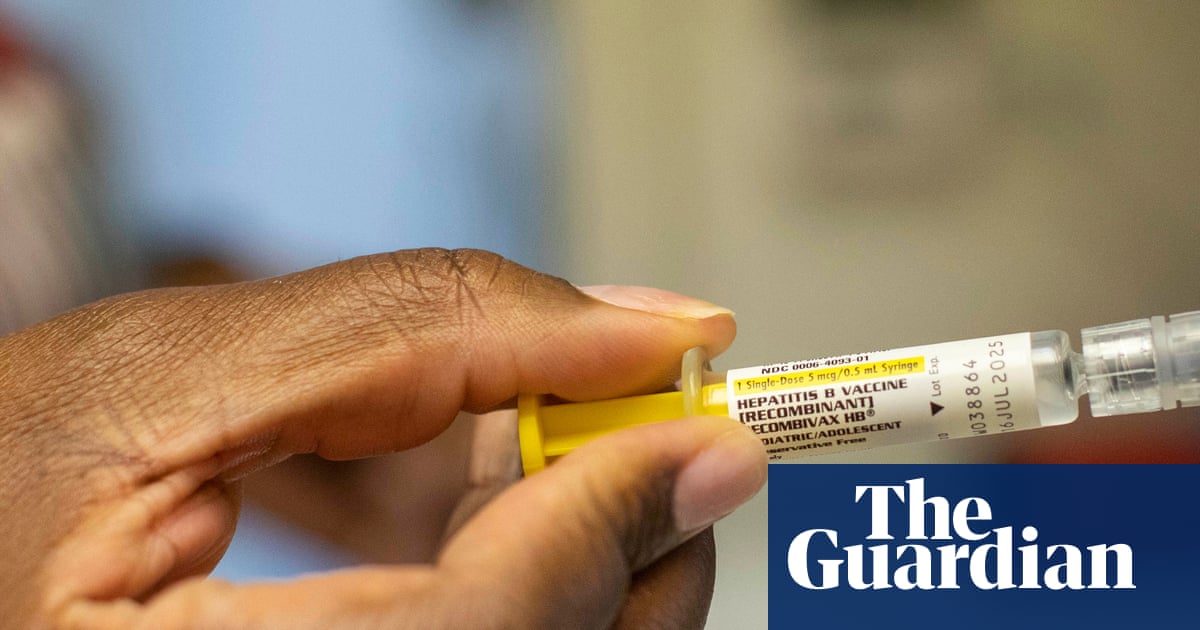
Sign up for the Slatest to get the most insightful analysis, criticism, and advice out there, delivered to your inbox daily. Measles. Measles, measles, measles! After decades of not having to worry much about the most contagious virus on record, it suddenly seems to be everywhere. The outbreak in South Carolina is nearing 1,000 cases, overtaking last year's largest outbreak, in Texas, which ended in August with 762 cases. Twenty states are currently reporting infections. Canada recently lost its measles elimination status.
Public health
fromwww.independent.co.uk
2 months agoGovernment protecting HIV funding could be important success story' for UK
Your donation allows us to keep sending journalists to speak to both sides of the story. The Independent is trusted by Americans across the entire political spectrum. And unlike many other quality news outlets, we choose not to lock Americans out of our reporting and analysis with paywalls. We believe quality journalism should be available to everyone, paid for by those who can afford it.Your support makes all the difference.
Public health
fromAdvocate.com
1 month ago6 Black activists who changed the HIV/AIDS response in America
By the mid-1980s, the AIDS epidemic had completely gripped the nation. Its victims, primarily queer men, were dying by the thousands. Fear and misinformation reigned supreme, and our government refused to respond to the crisis. Reverend Charles Angel, a community leader and activist who was living with HIV himself, recognized that queer men of color faced additional disparities due to cultural norms and societal inequities.
Public health



[ Load more ]